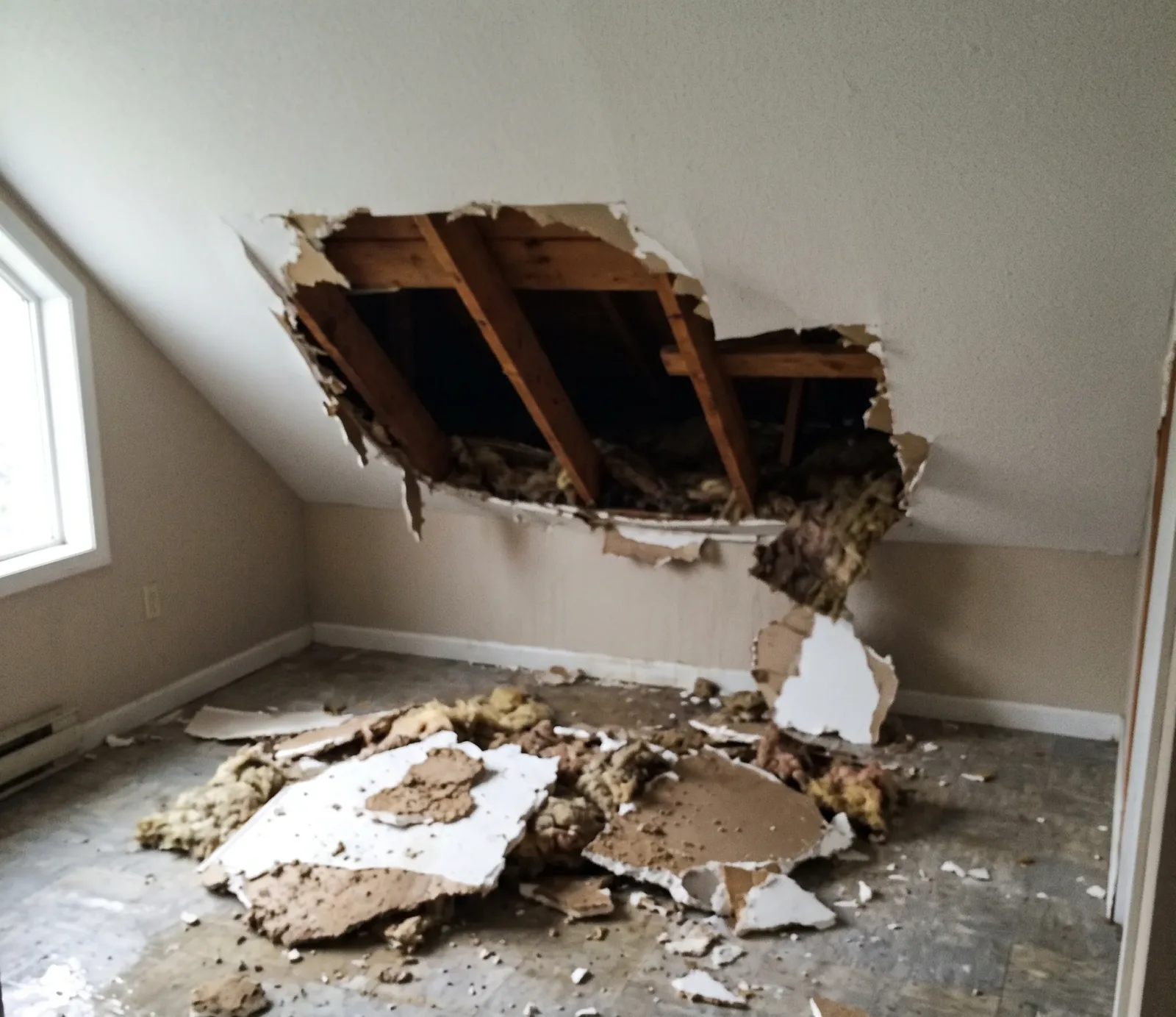
Roof Maintenance
Flat Roof Maintenance Tips for Tempe, AZ Homes
Where ponding starts on a flat Tempe roof, what a bad seam looks like from inside, and how often drains and scuppers actually need clearing.
Read article
These guides answer what a Tempe renter near ASU or a homeowner off McClintock Drive actually needs mid-mess: a water heater tank splitting, a monsoon gust driving rain under a flat roof, or an SRP flood irrigation gate left open past a Tempe water day.
A slab foundation near Papago Park cracks and drains differently than a CBS block home in Warner Ranch, and caliche hardpan under both means water sits instead of soaking away. Haboob dust mixed with rain damage reads different from a clean AC condensate leak.
One reader near Tempe Town Lake wants to know if drying counts as done inside 48 hours before mold starts. Another is checking an adjuster's number against what the licensed pros we connect you with quoted for a rental unit by Mill Avenue.
Where ponding starts on a flat Tempe roof, what a bad seam looks like from inside, and how often drains and scuppers actually need clearing.
Read article
Before Tempe's monsoon season hits, walk the roofline, the yard slope, and the water heater tag. A short checklist beats a flooded kitchen near Mill Avenue or Kiwanis Park.
Read article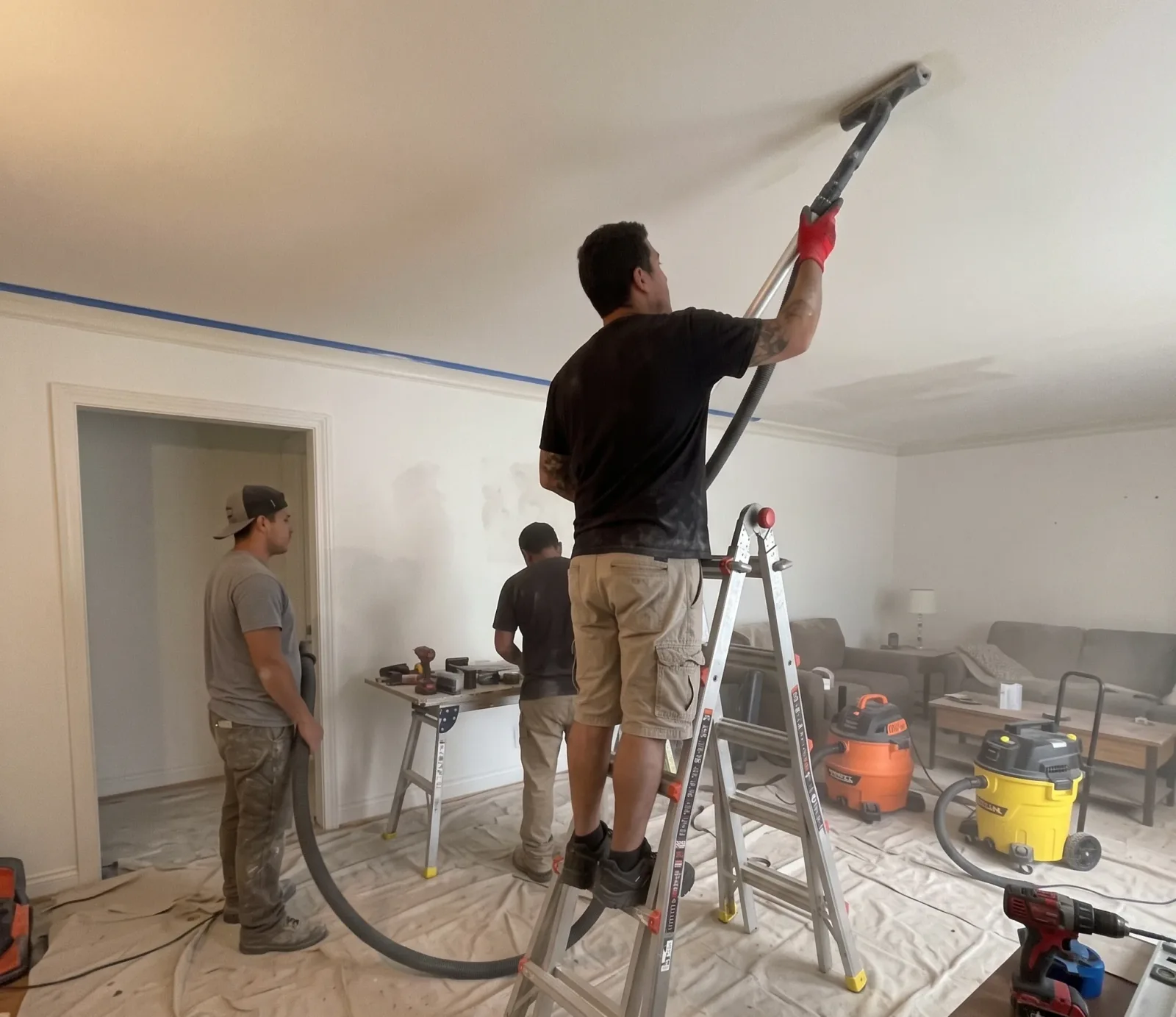
Before the fans start running, a Tempe restoration crew walks the damage, maps moisture, and writes a plan. Here's what that first hour looks like.
Read article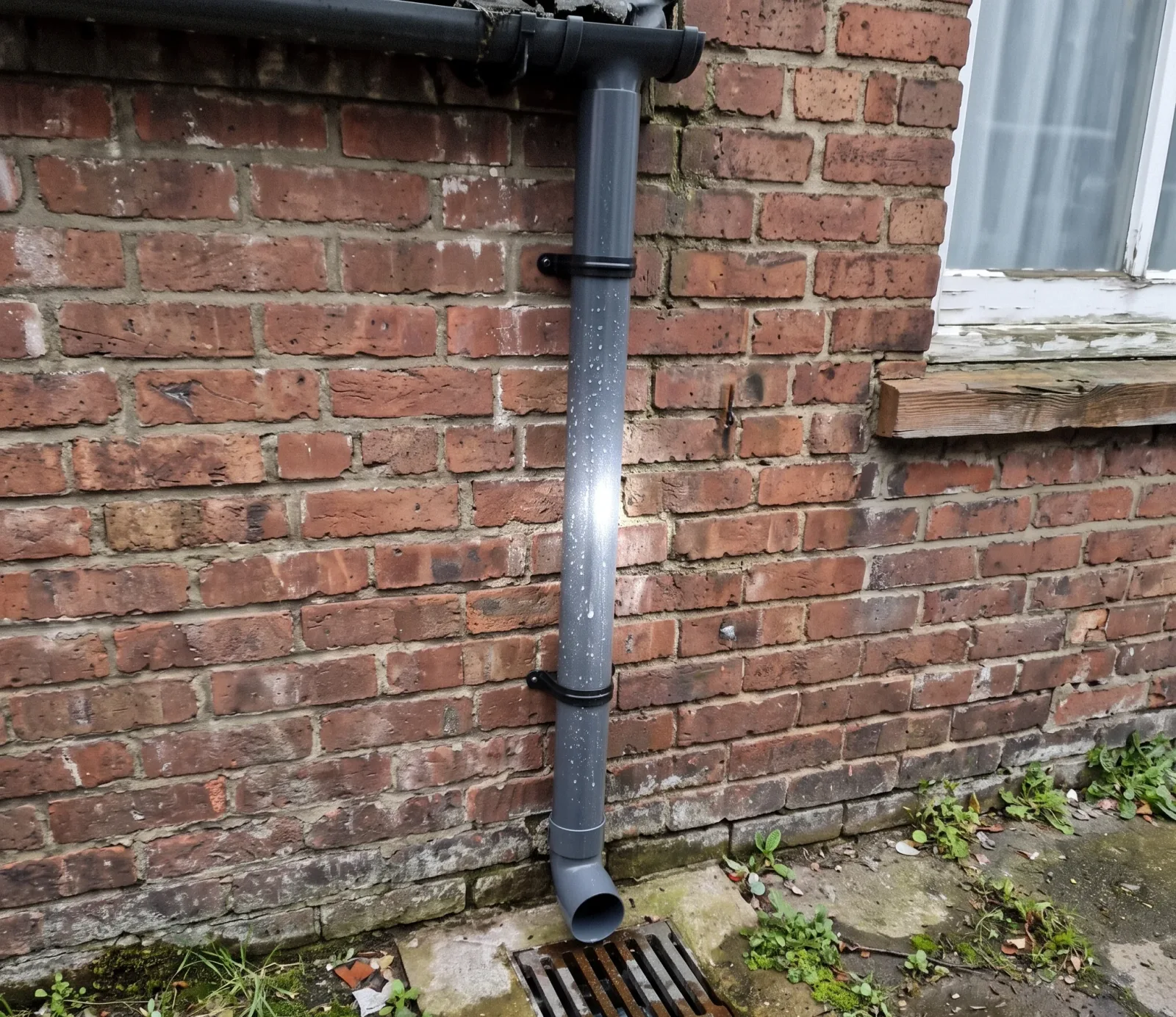
How often to check an AC drain line in Tempe, where units run nearly year-round, and what a realistic inspection schedule looks like.
Read article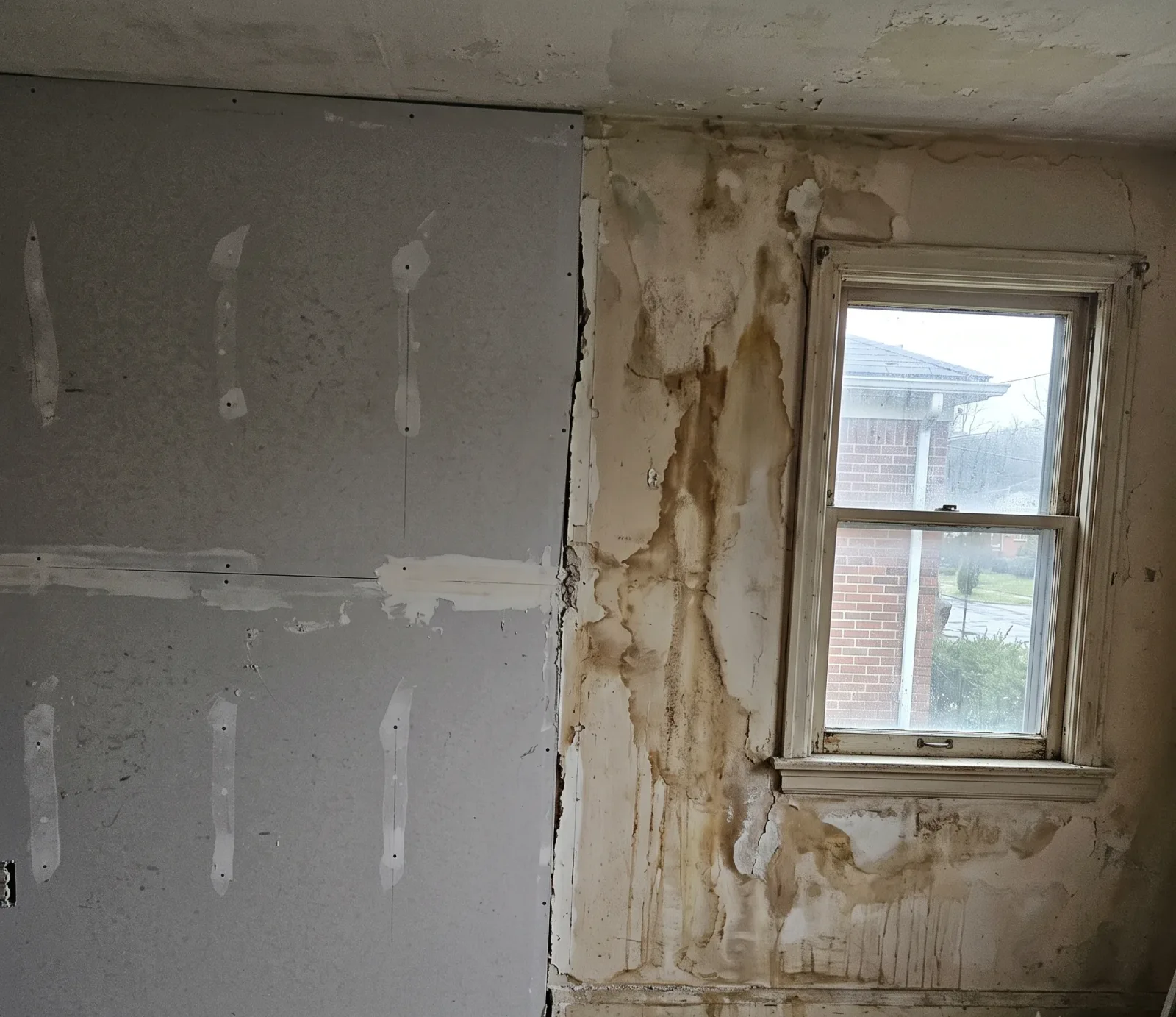
What Arizona seller disclosure rules mean for a Tempe home with a past water event: material defects, latent defects, mold history, and as-is sales explained.
Read article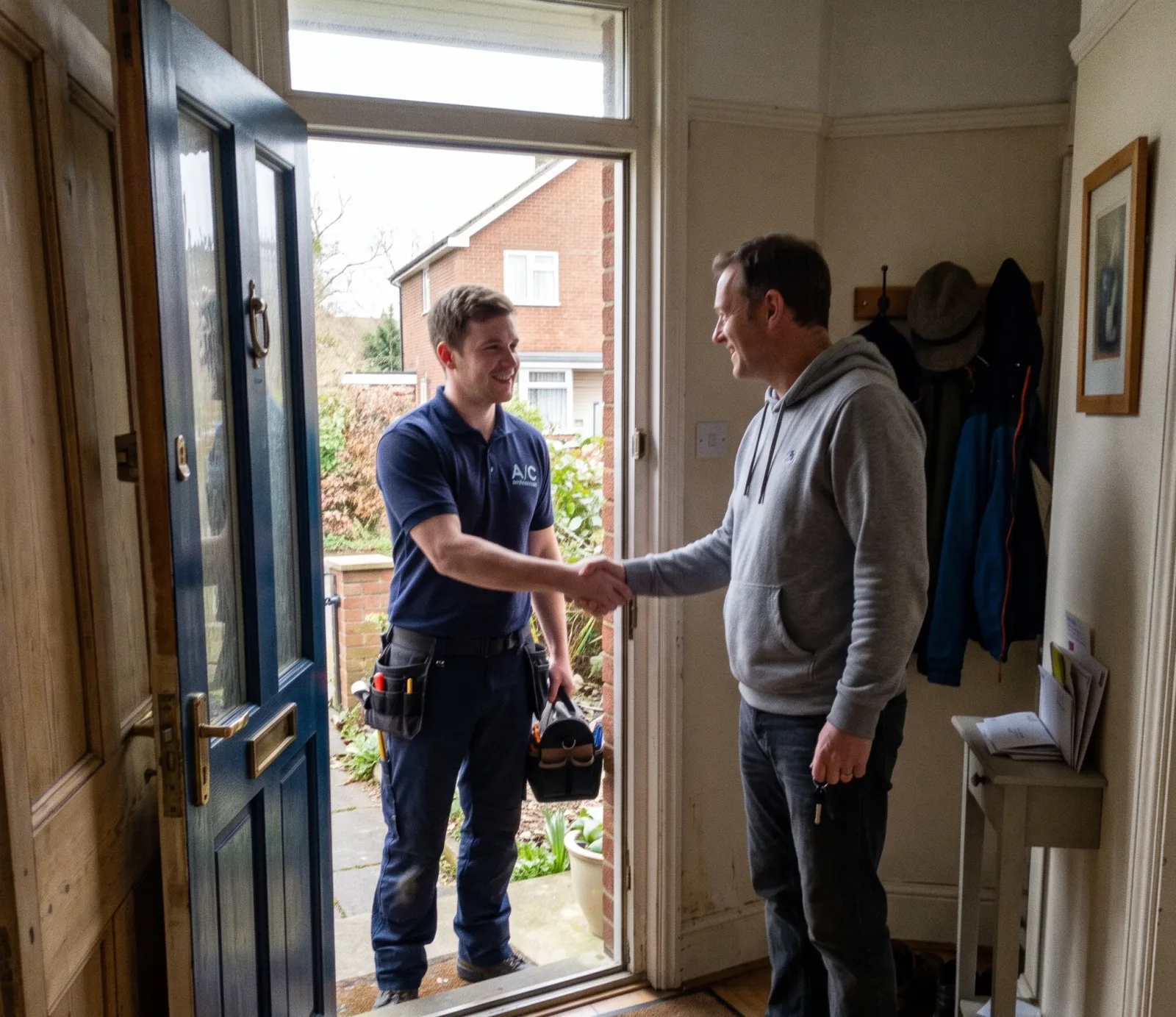
IICRC certification explained in plain terms for Tempe homeowners comparing restoration quotes: what the credential covers, and what it doesn't.
Read article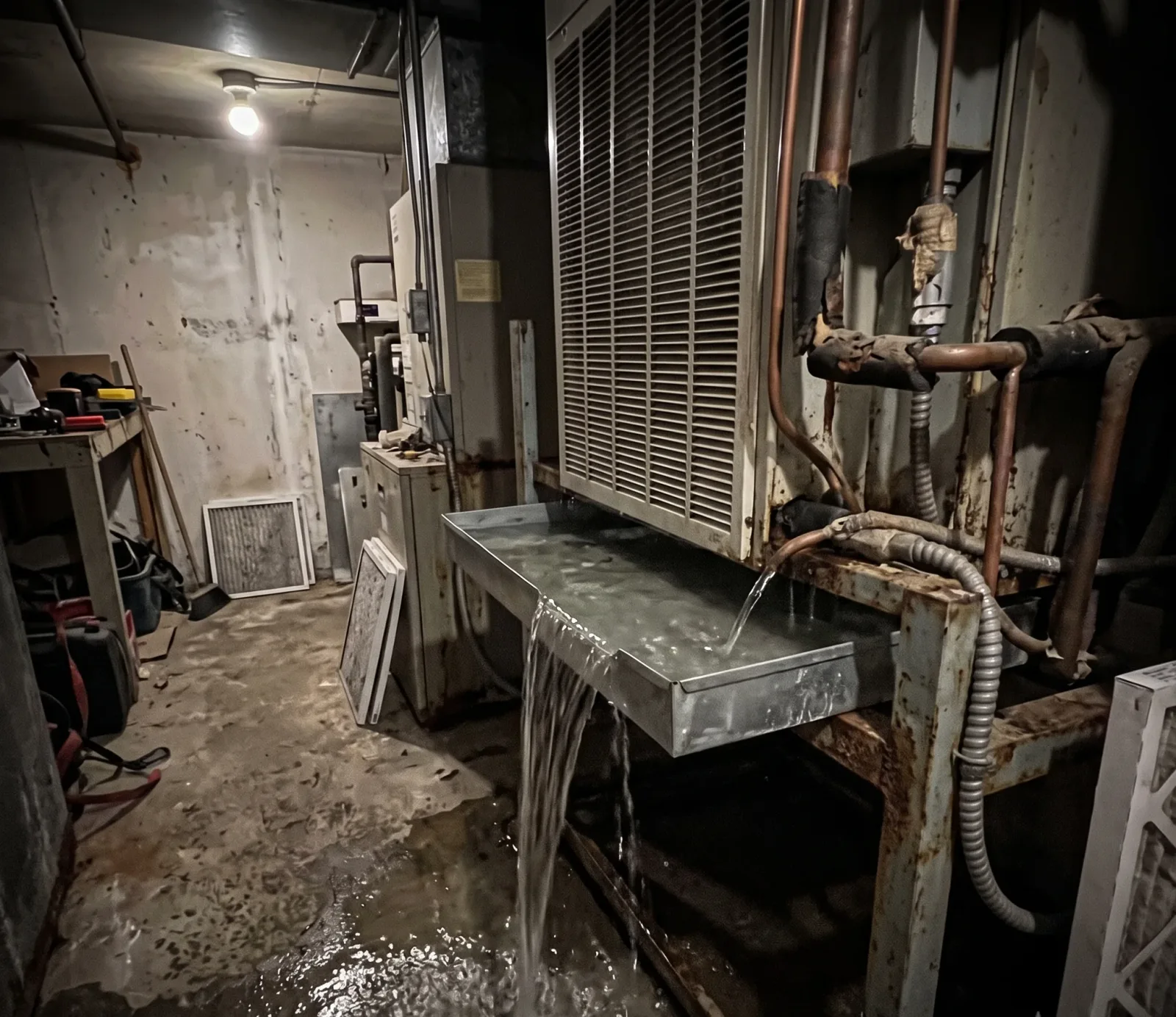
Clay soil swells and shrinks around a Tempe foundation, and that movement, not the rain itself, is usually what cracks a slab.
Read article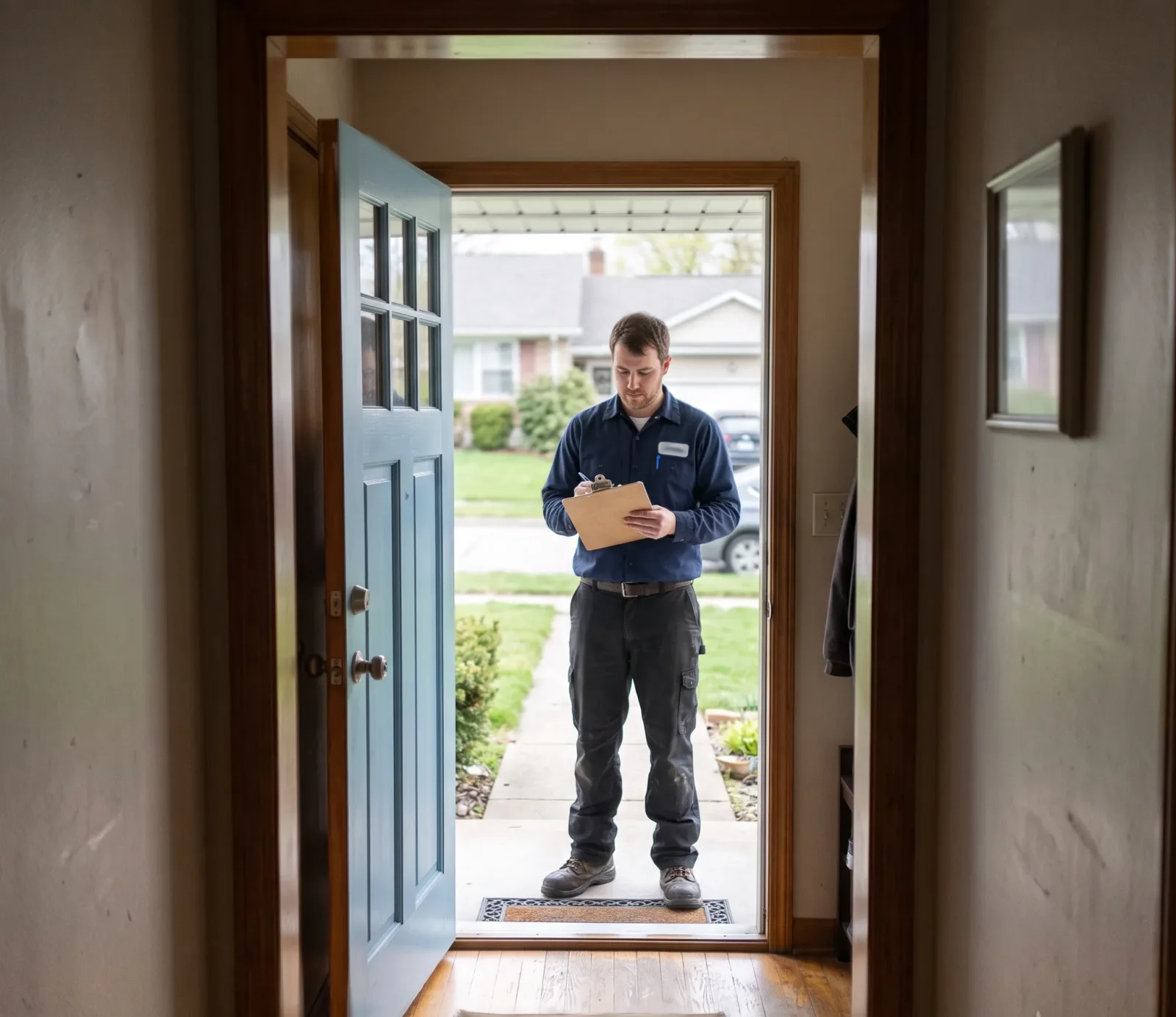
A quick-reference checklist for Tempe homeowners: shutoff valve, electrical hazard, wet items, and photo record steps to take before help arrives.
Read article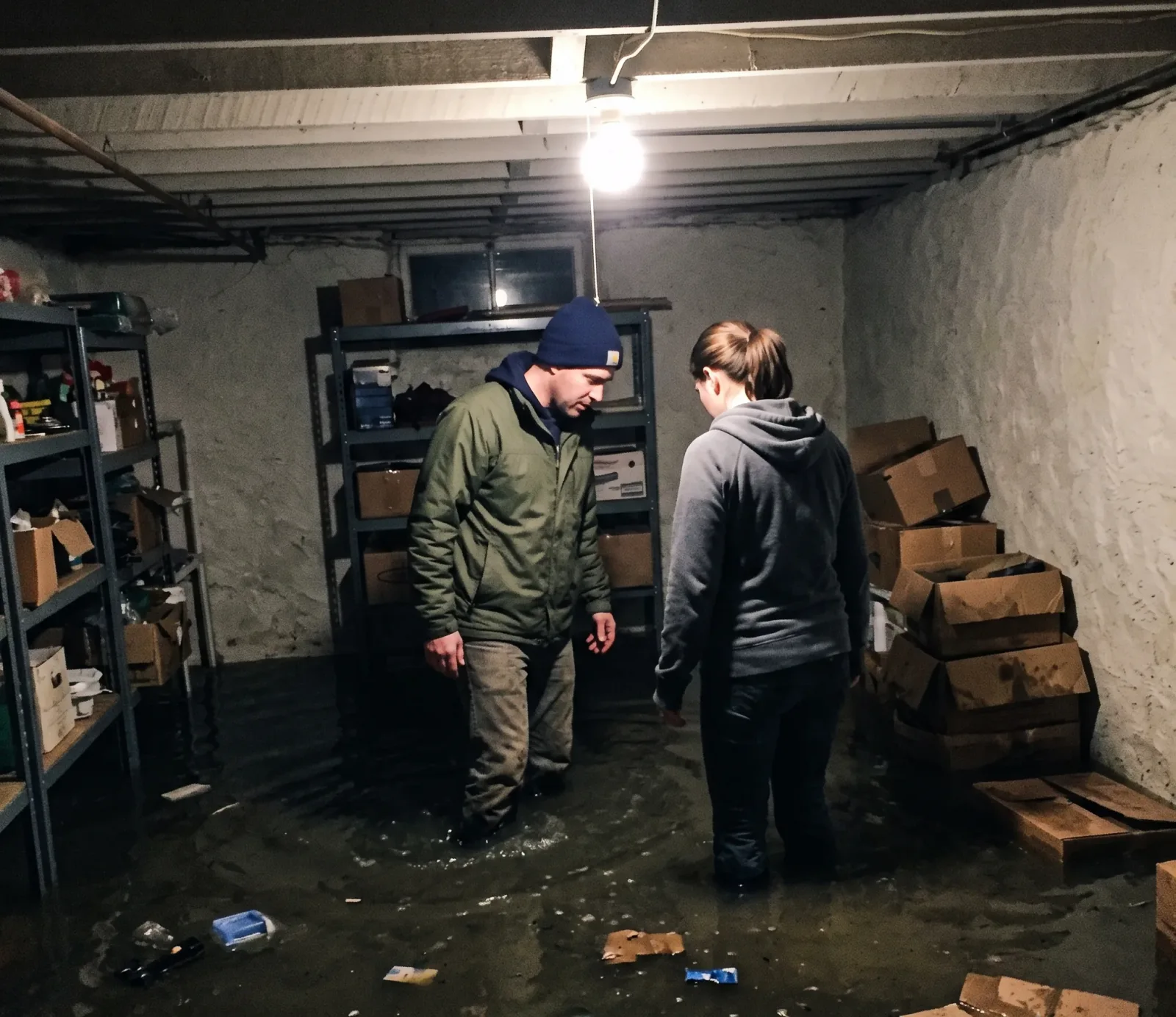
Washing machine overflows and dishwasher leaks aren't sewage, but they aren't harmless either. Here's what gray water actually contains and why it degrades fast in Tempe homes.
Read article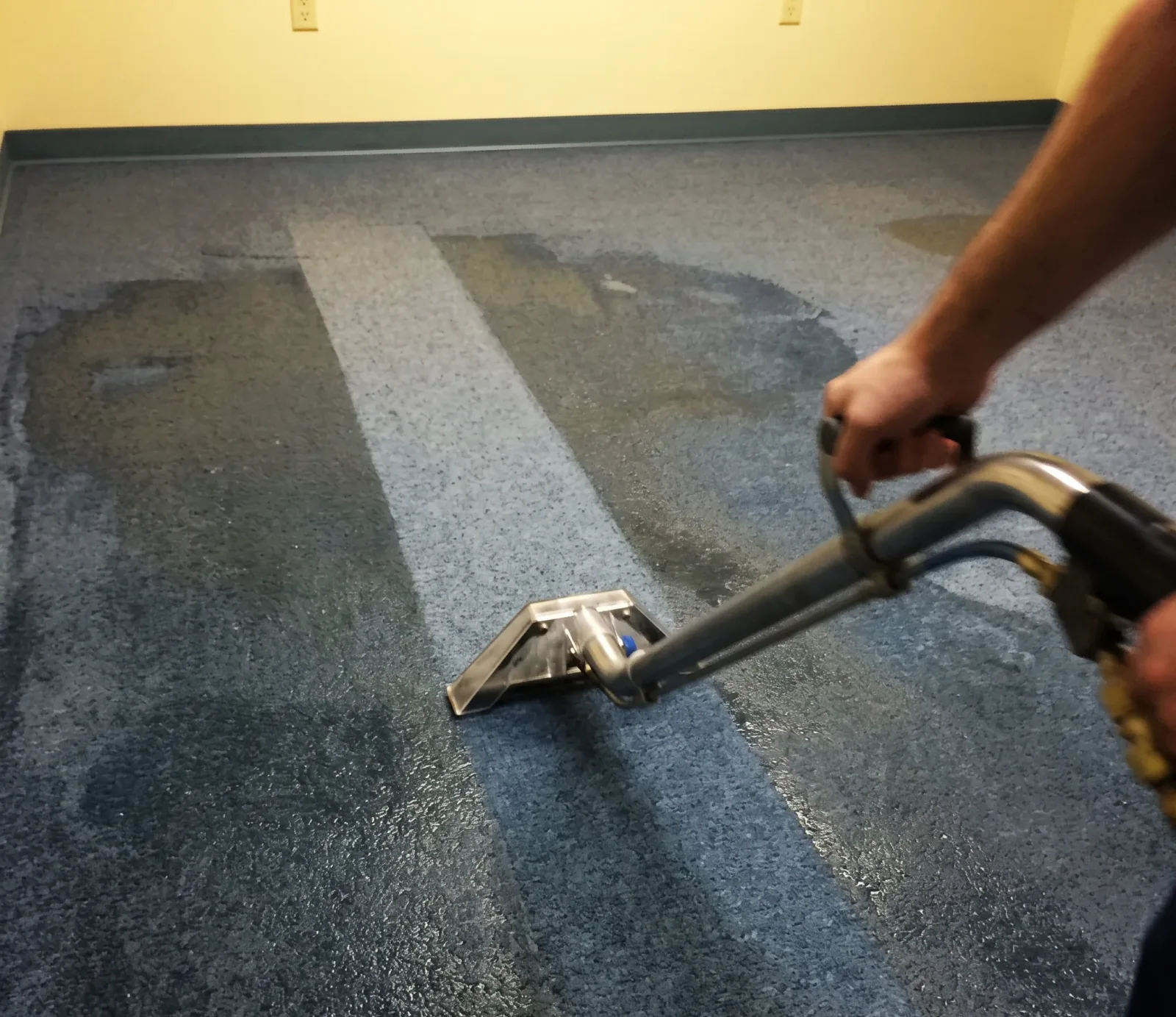
Aging plumbing, skipped AC maintenance, and slow tenant reports turn small leaks into bigger repairs. What water damage risk actually looks like for Tempe landlords.
Read article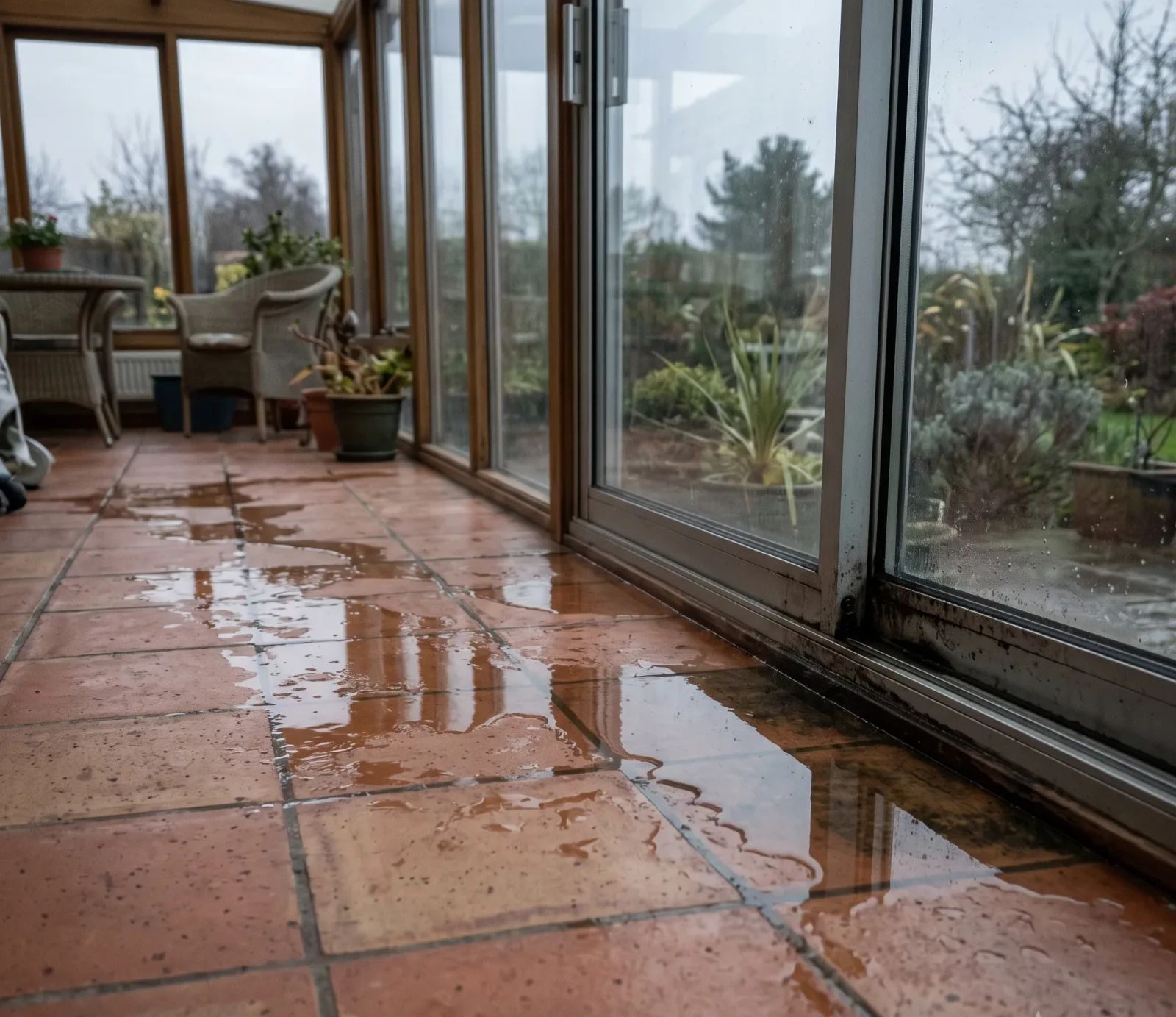
A water-damaged Tempe home often needs its contents moved out before repairs can start. Here's how a pack-out actually works, item by item.
Read article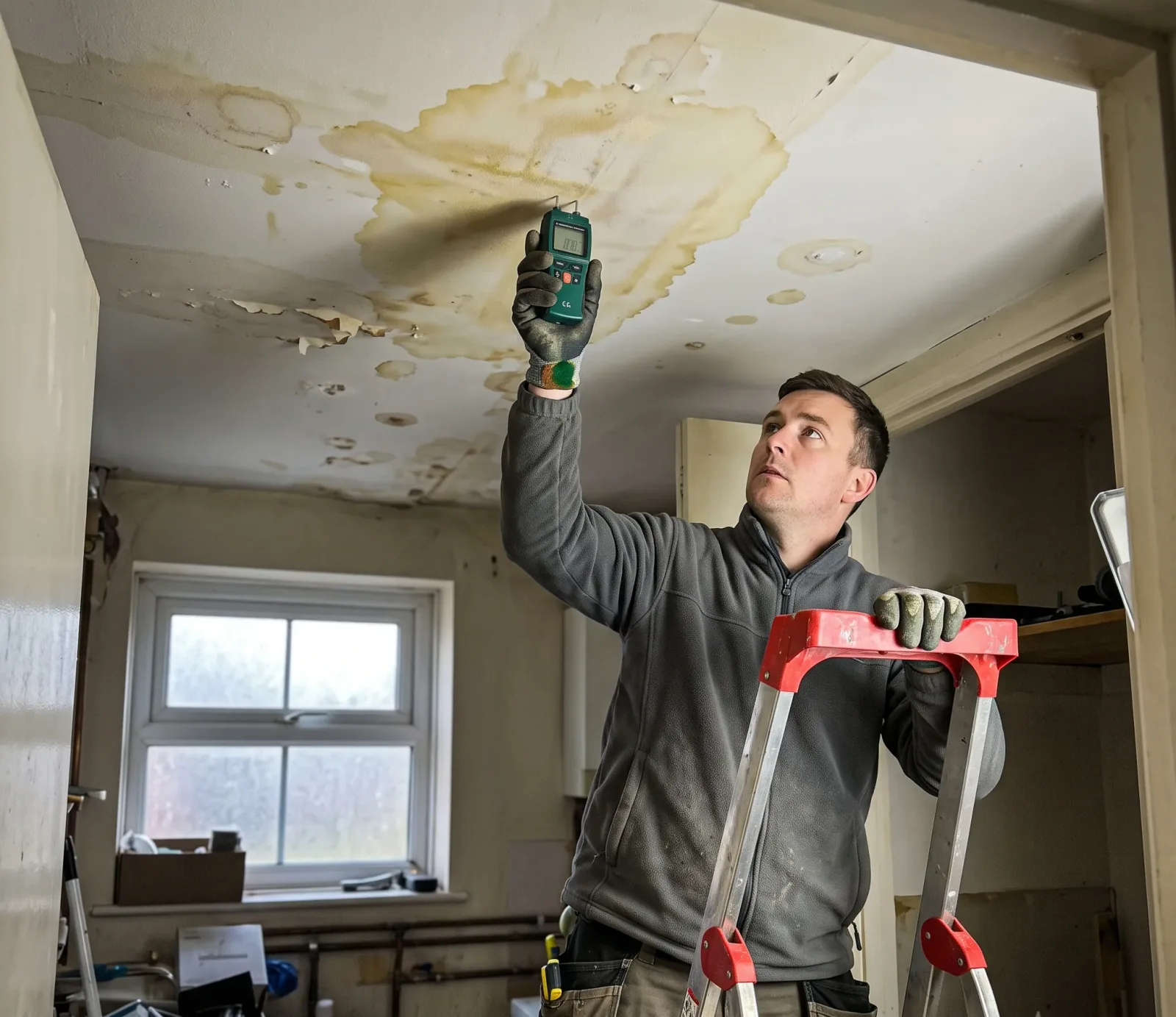
A moisture meter turns a suspected wet wall into a number a Tempe tech can track. Here's how pin and pinless readings actually confirm dry.
Read article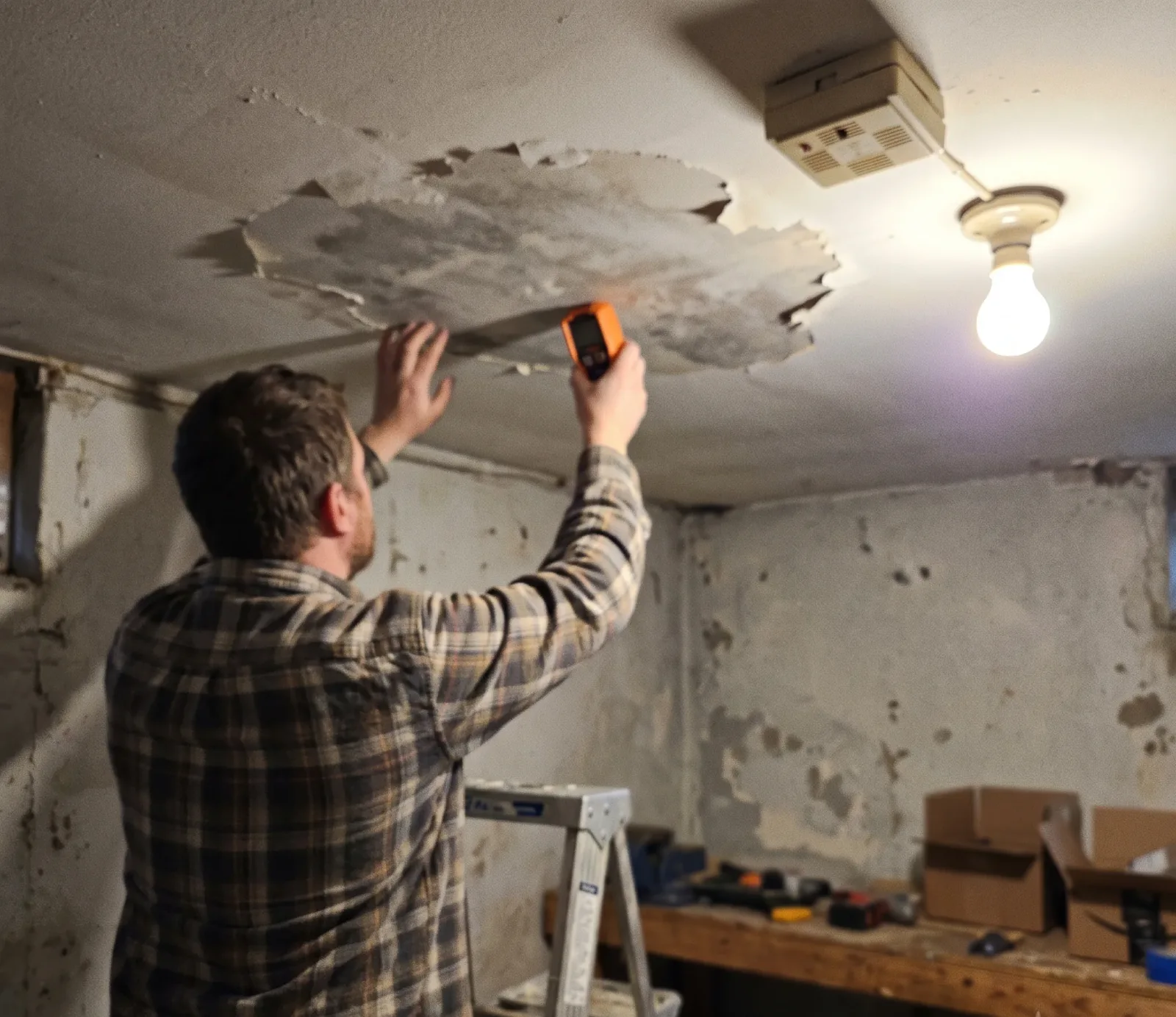
Infrared cameras don't see water, they read temperature. Here's how a thermal scan finds hidden moisture in a Tempe wall or floor without tearing anything open first.
Read article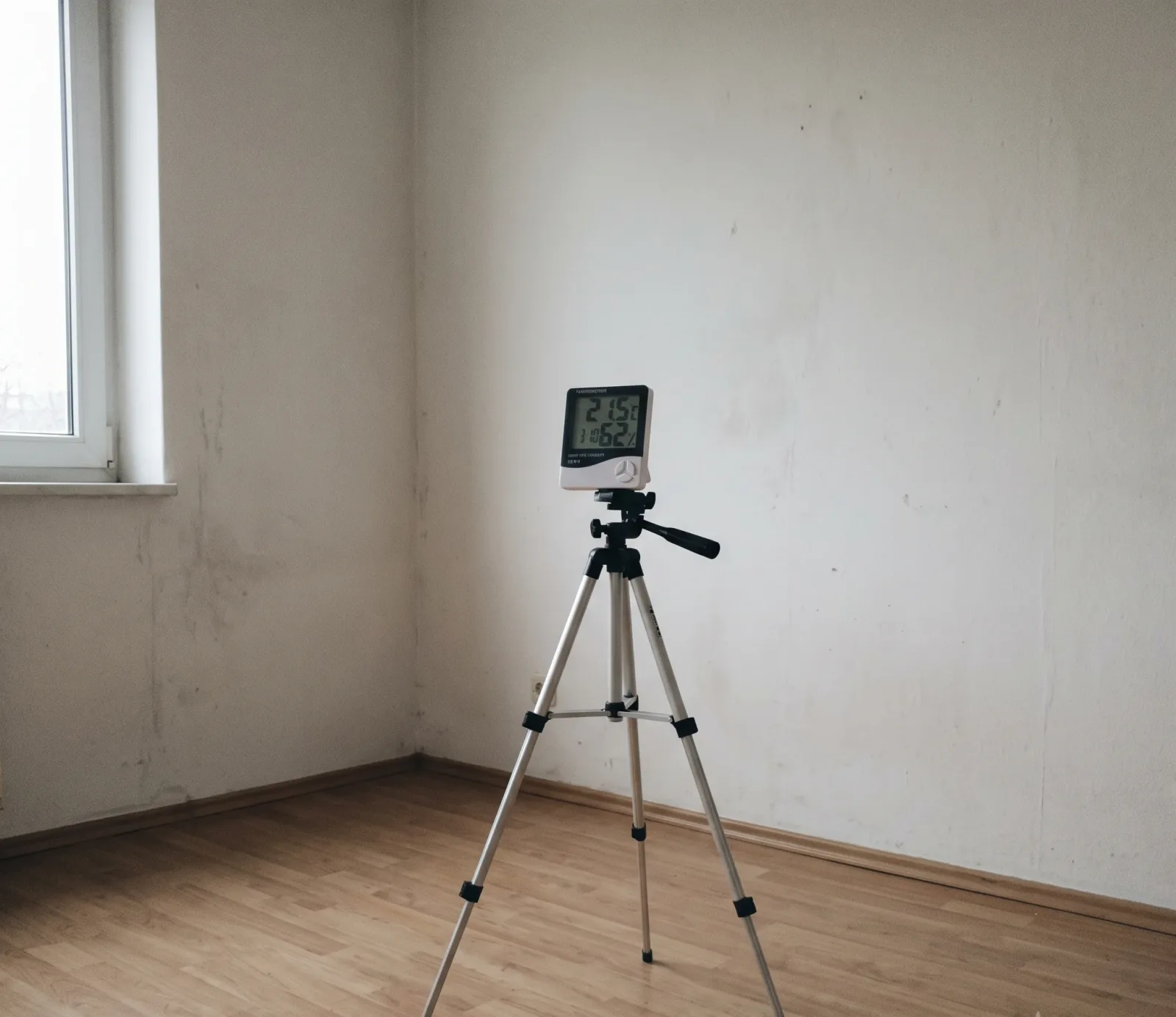
Outdoor humidity during monsoon season changes how fast a wet Tempe home actually dries. Here's the air science behind why equipment runs longer some weeks than others.
Read article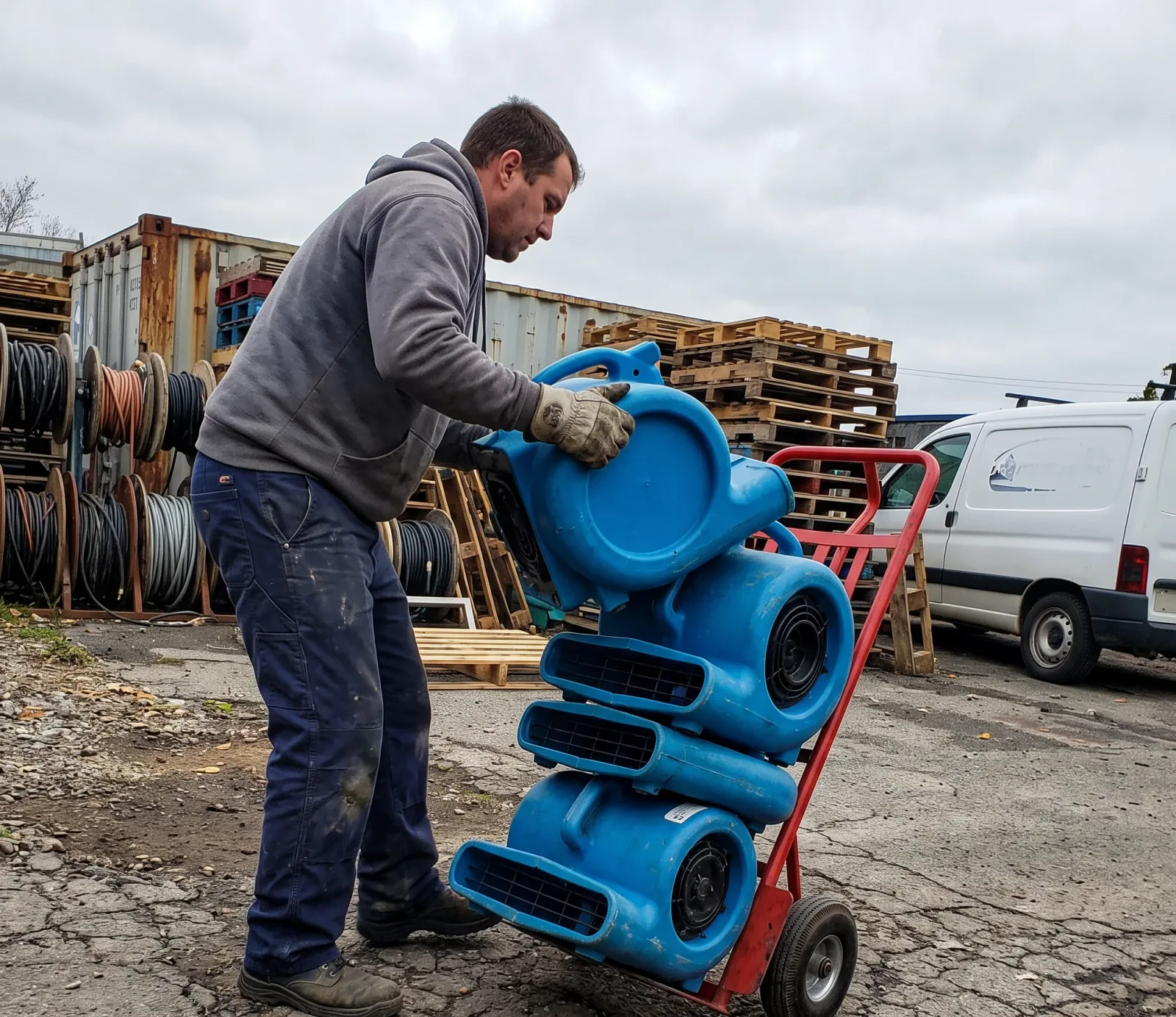
A blocked gutter sends roof runoff straight down the wall instead of away from it. Here's what keeps a Tempe home's foundation dry.
Read article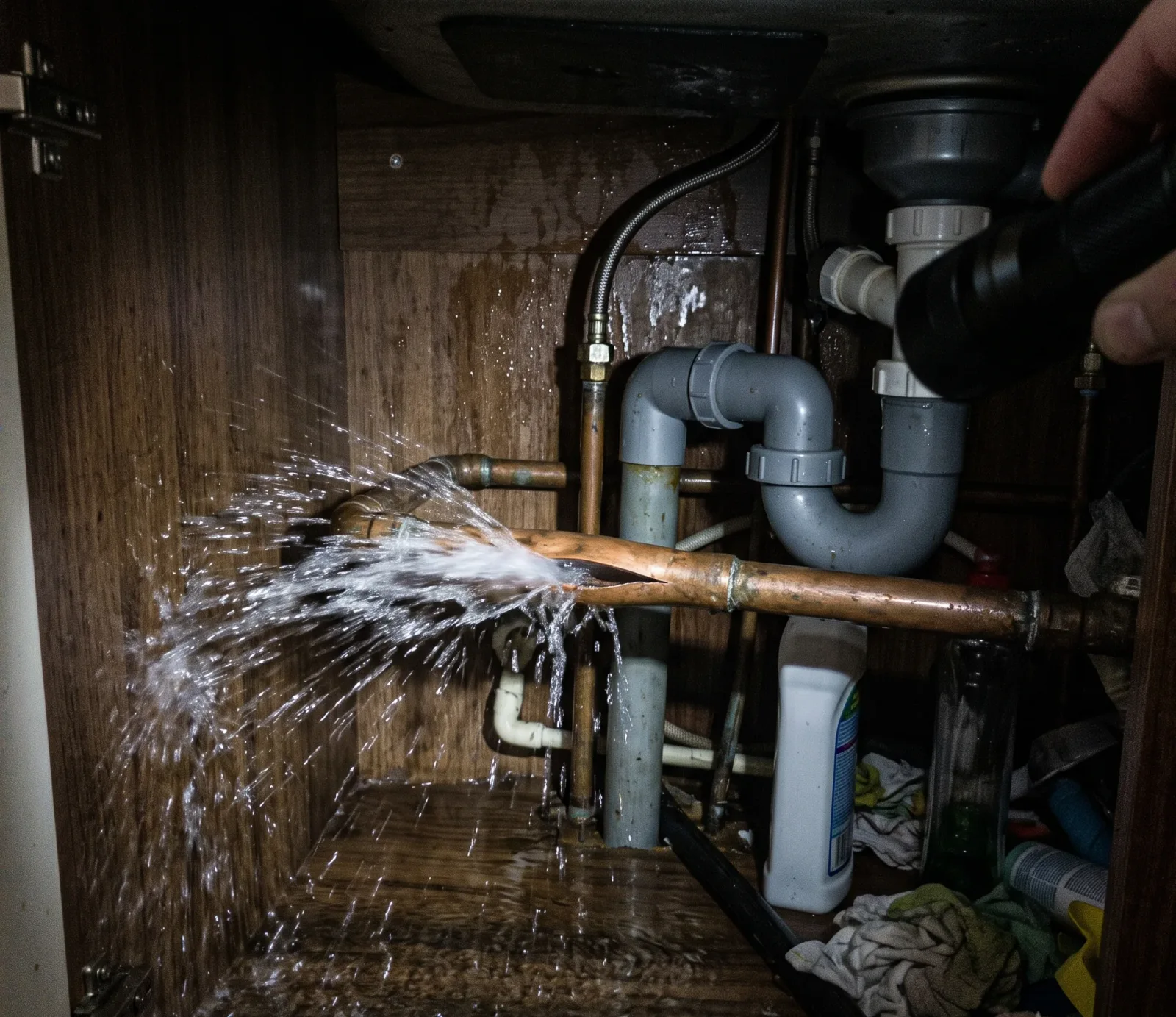
Older Tempe blocks still drain through cast iron and clay pipe. Here's why that aging infrastructure keeps causing the same sewer backup instead of a one-time clog.
Read article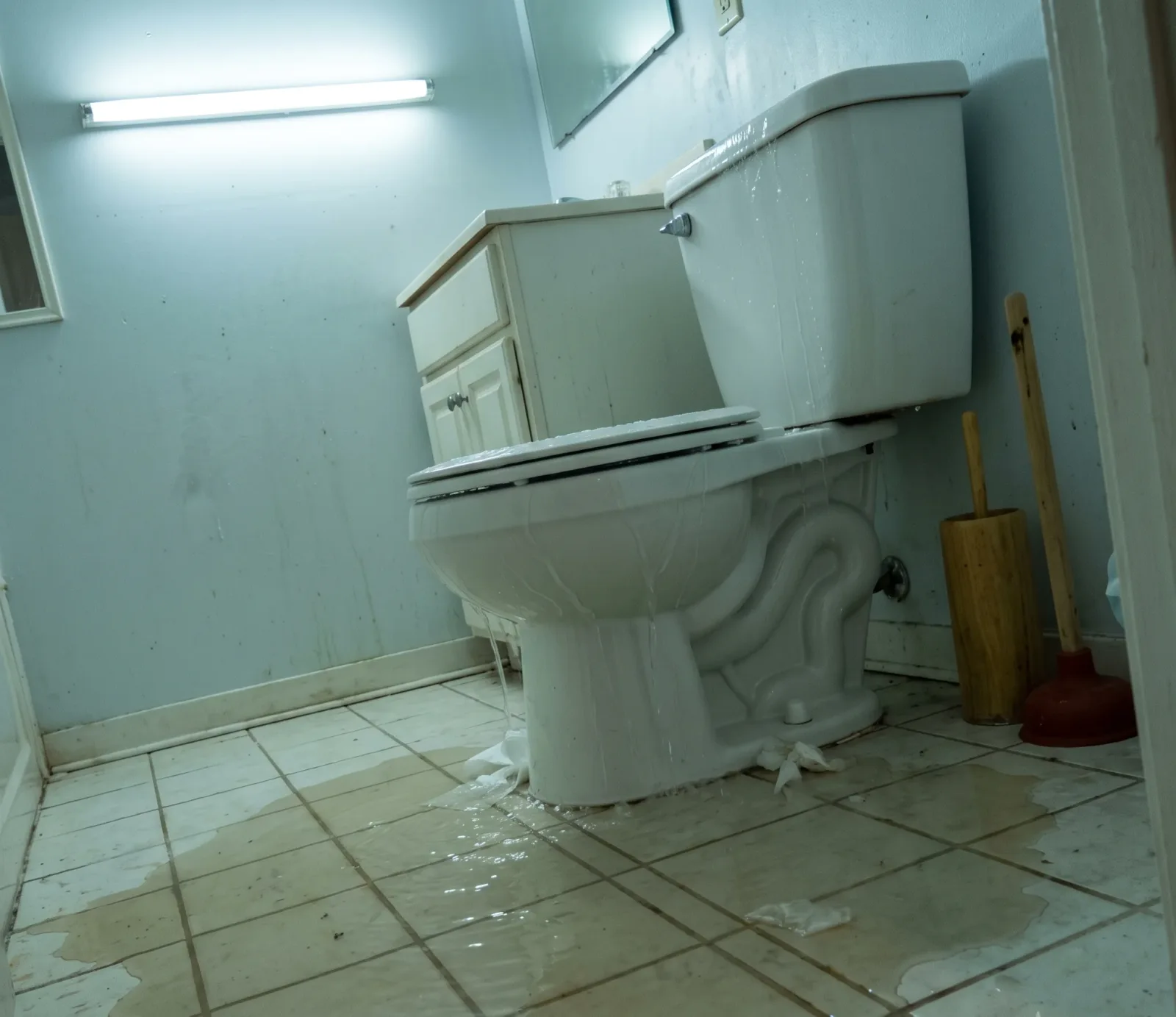
A sewage backup in a Tempe bathroom calls for fast containment, not a mop. Here's what to shut off, protect, and leave alone before help arrives.
Read article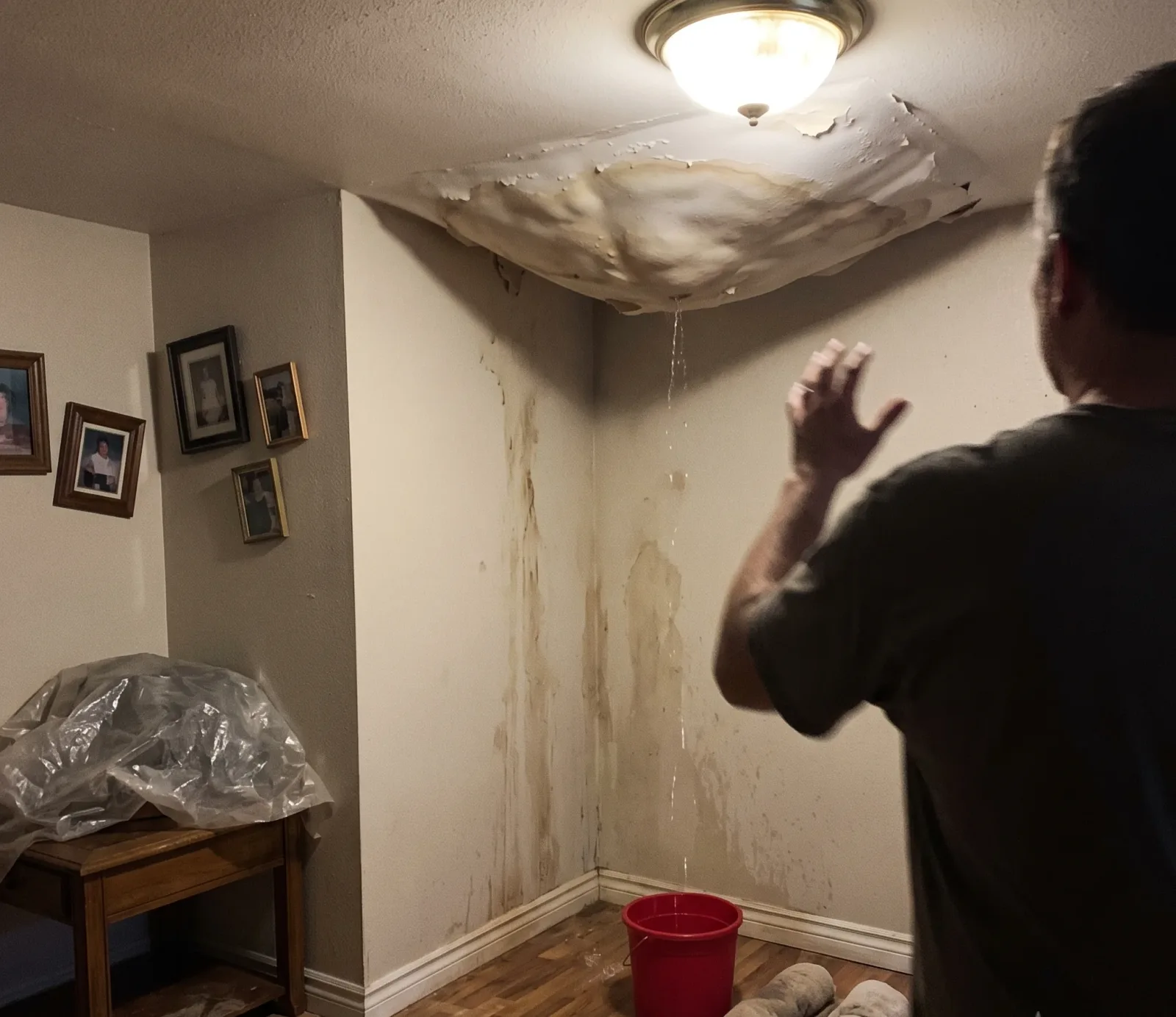
How Tempe homeowners can tell an AC condensation drip from an actual roof or plumbing leak, using timing, stain pattern, and puddle location.
Read article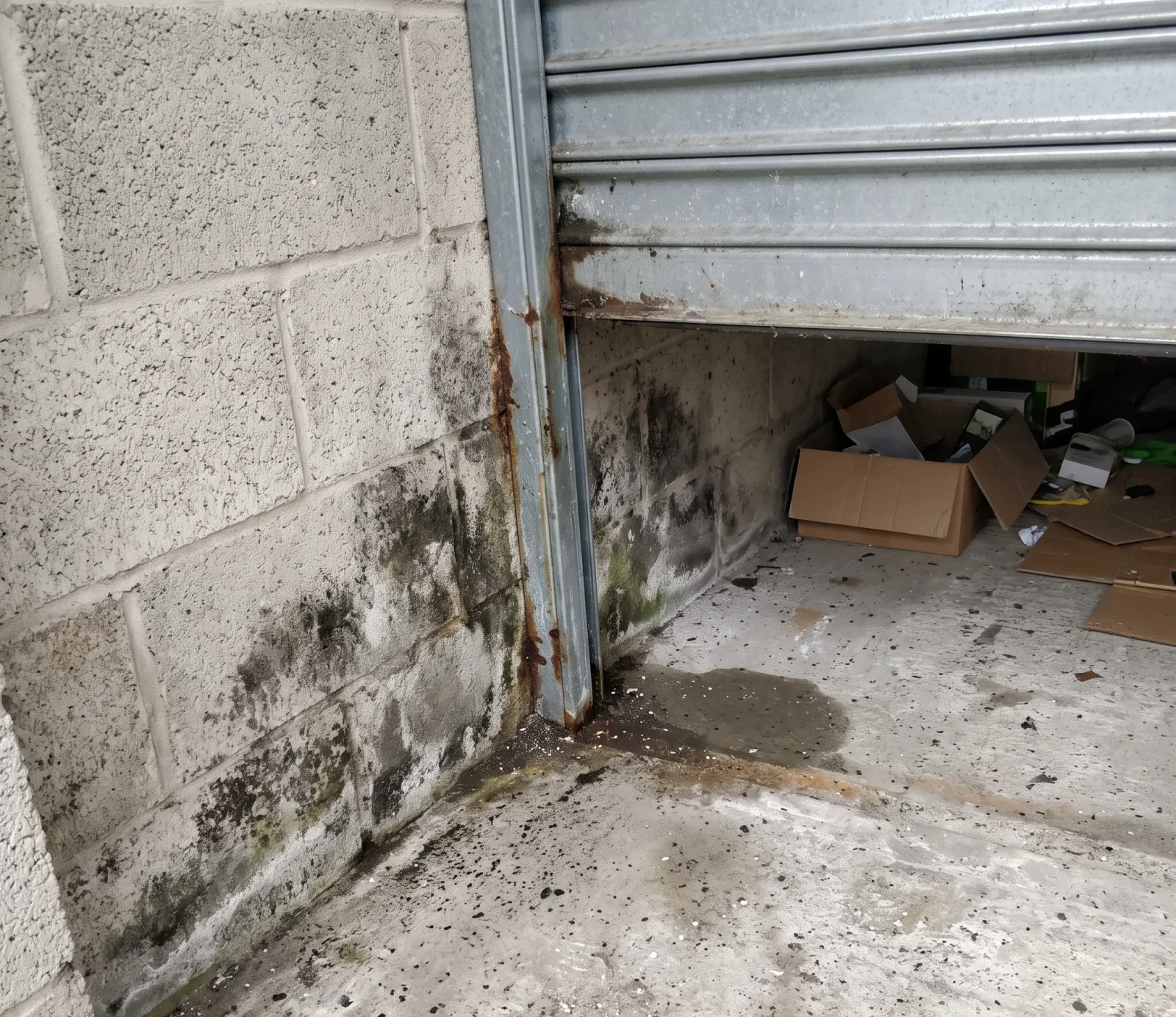
Stachybotrys, or black mold, gets blamed for outcomes the science doesn't fully back. Here's what CDC guidance actually says about health effects and risk.
Read article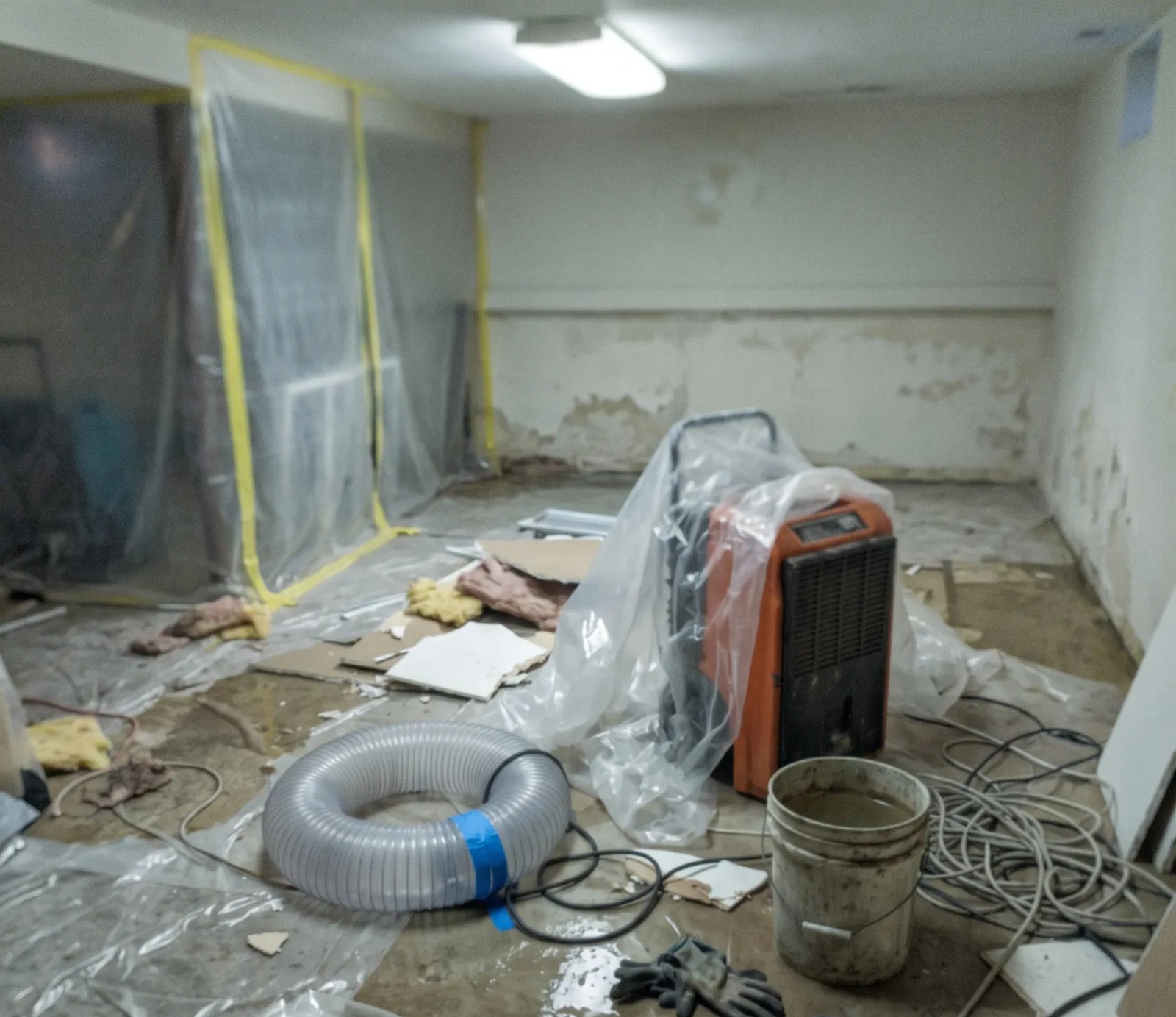
Bleach on a stain doesn't fix a leak behind the wall. Here's why mold keeps returning to the same spot in Tempe homes, and what that pattern actually means.
Read article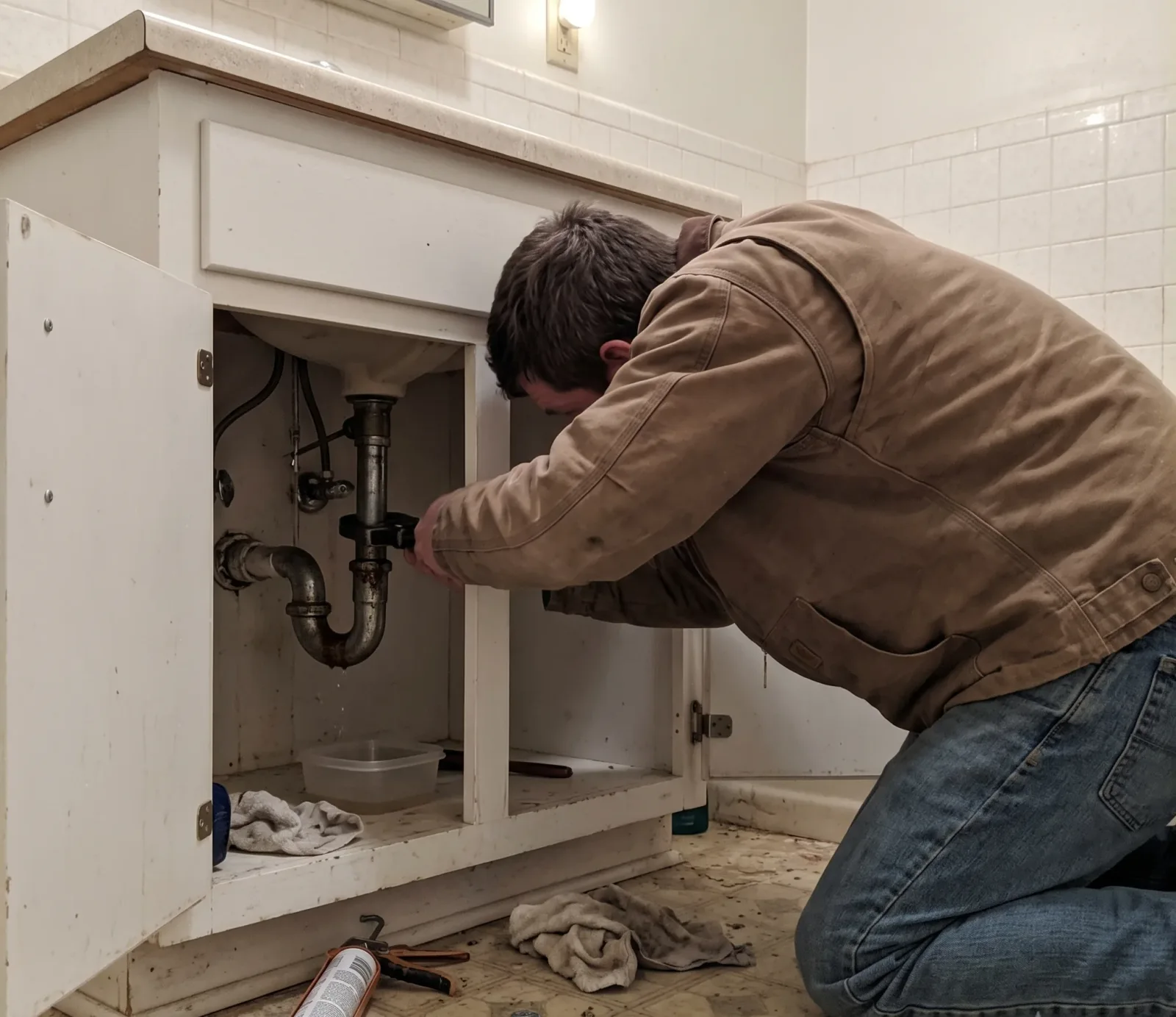
One adjuster answers to the insurer, the other to the Tempe homeowner who hired them. Here's what actually separates a public adjuster from the carrier's own adjuster.
Read article
What to photograph, film, and log in a Tempe home before cleanup starts, so the documentation actually holds up during a claim.
Read article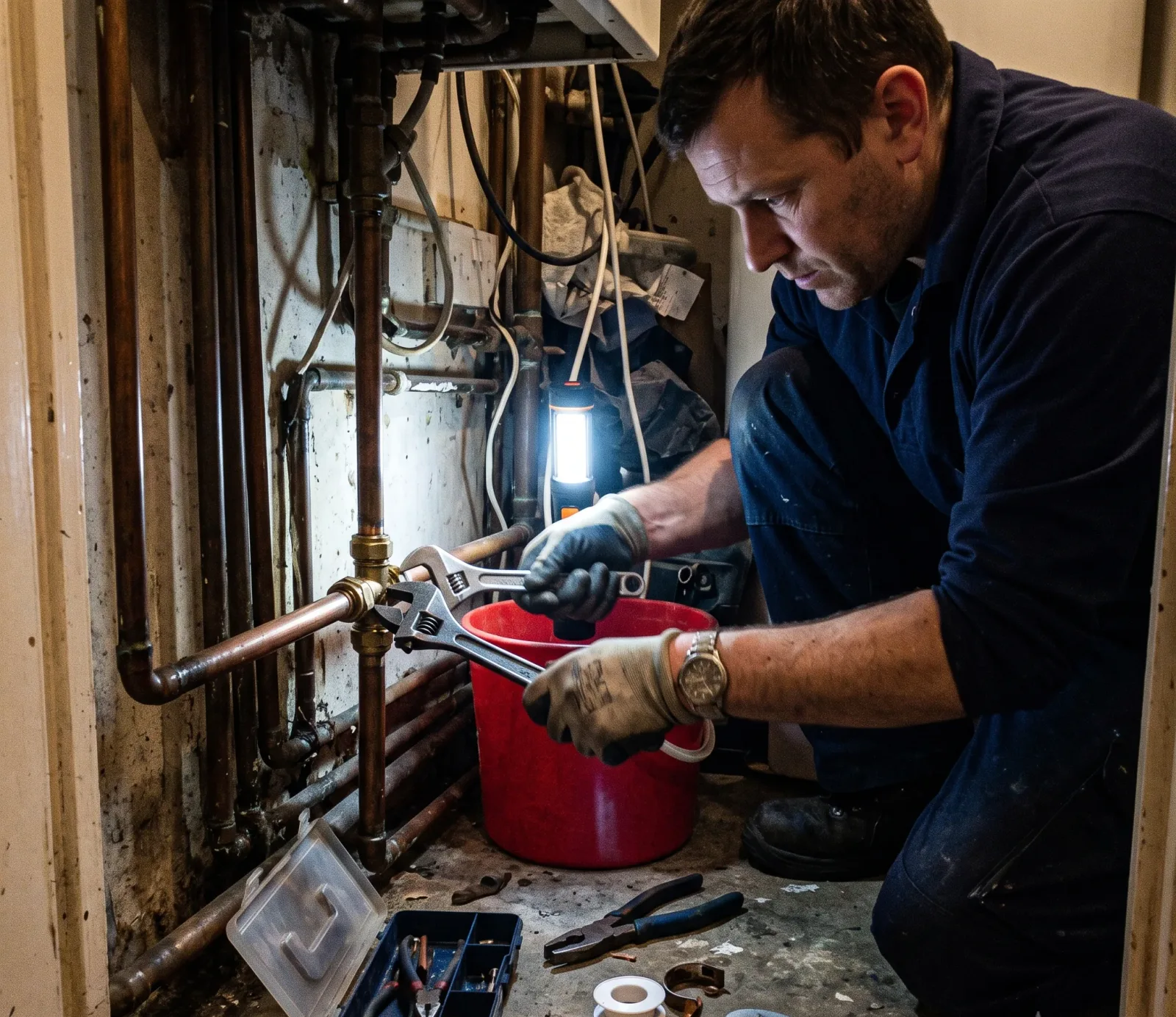
Arizona's landlord-tenant law sets real repair timelines for water damage in rentals — here's what habitability actually requires and what tenants can do.
Read article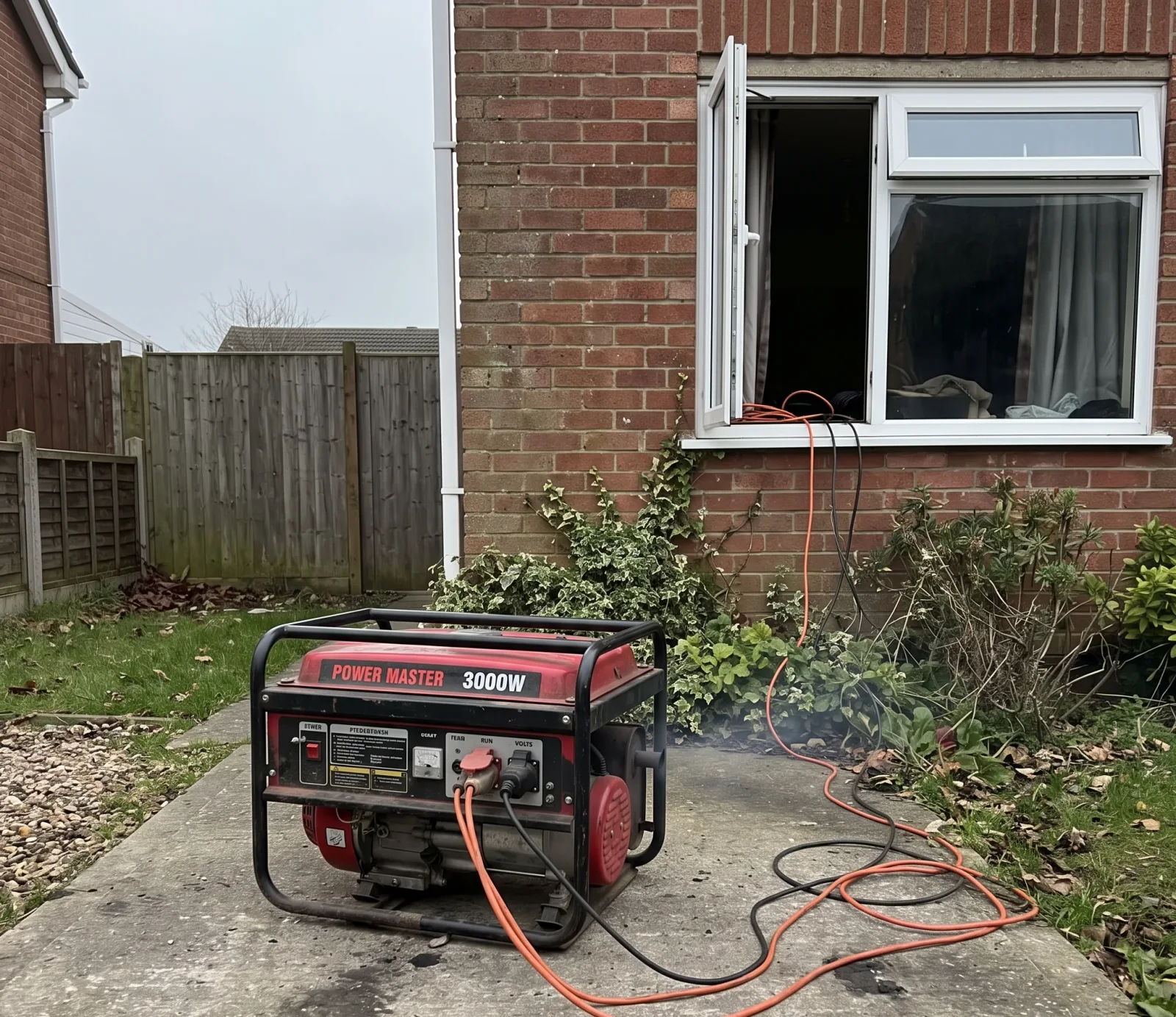
In a Tempe condo near ASU or Hayden Ferry Lakeside, water damage can trigger both an association claim and a resident's own coverage. Here's how that split usually works.
Read article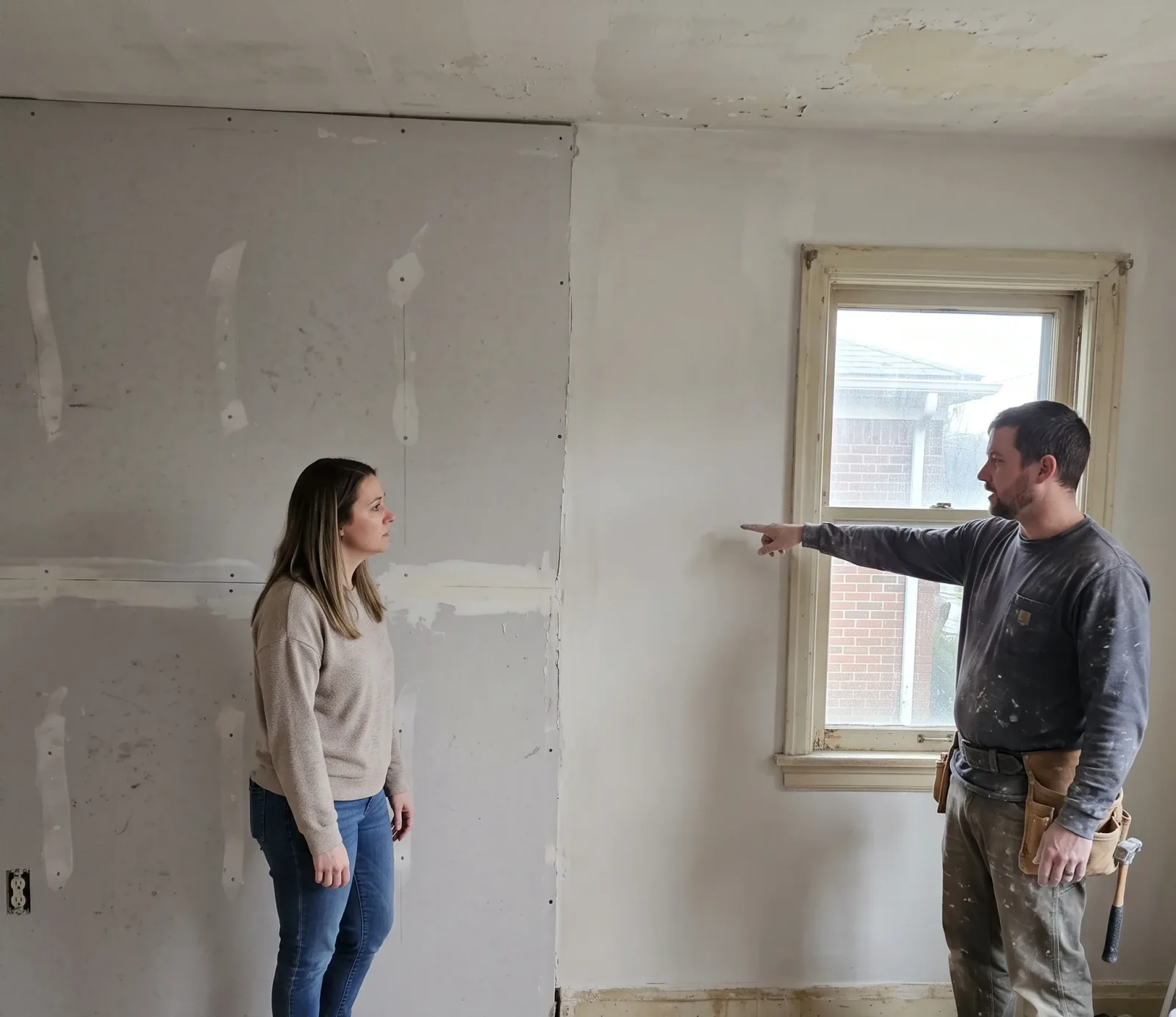
Why a musty smell lingers in a Tempe home, what separates ordinary humidity from a hidden moisture source, and when it's time to look behind the wall.
Read article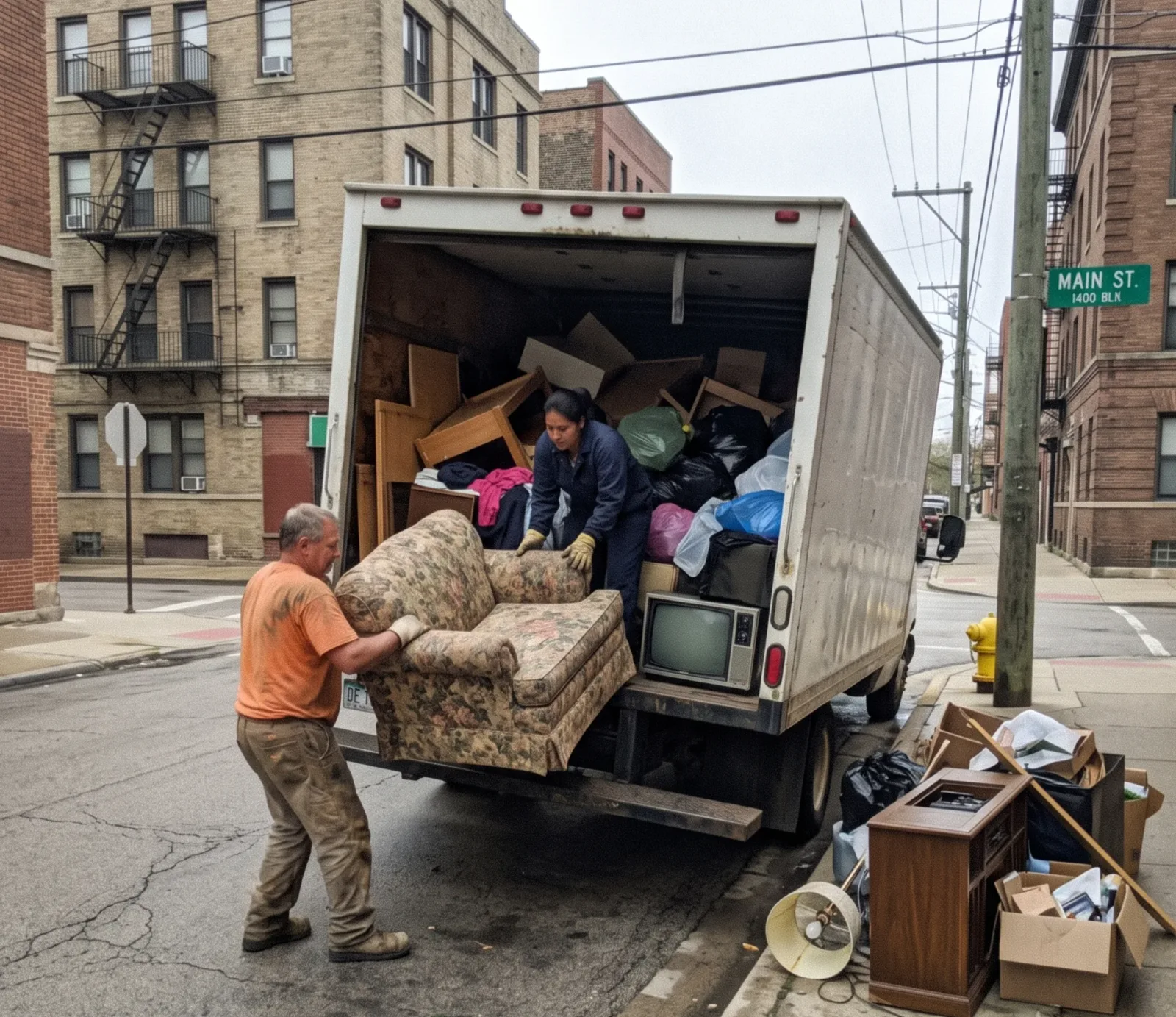
Why a downpour turns a Tempe street into standing water before it ever gets near the front door, and what a homeowner can actually do about it.
Read article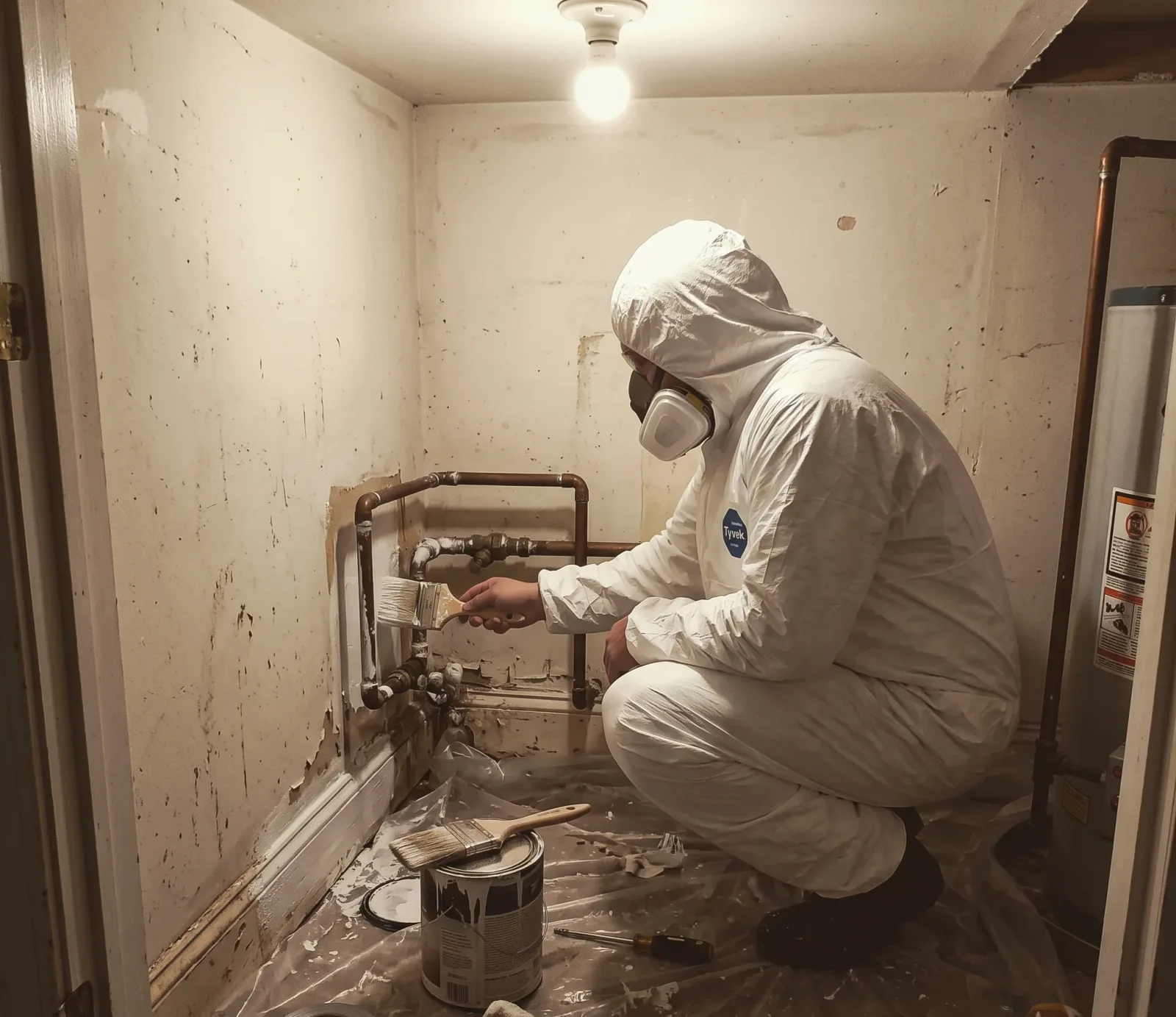
A water heater failure floods a Tempe utility room fast. The order that limits damage: tank valve, breaker, standing water, then a real look at the flooring.
Read articleA warped baseboard, a musty smell, or a stain with a faint ring can mean water has been moving through a Tempe home for weeks unnoticed.
Read articleRisk here tracks the property, not the zip code. Older complexes near Apache Boulevard and rentals close to ASU often carry aging supply lines under slab, while newer construction toward Warner Ranch handles monsoon runoff better than mid-century blocks near Hayden Butte. Flat roofs are common citywide, so ponding after a downpour hits older and newer buildings alike. A slow leak on caliche soil can sit unnoticed longer than one on a sloped lot.
No basements to worry about around Tempe. Caliche hardpan under Papago Park and the rest of Maricopa County makes digging one out impractical, so builders pour slabs instead. Near Mill Avenue or ASU rentals, water from a burst pipe or flood irrigation runoff spreads sideways across the slab into baseboards and flooring rather than pooling below grade.
Flood irrigation soaks the yard fast, and around Warner Ranch and West Tempe that water finds any low spot near the slab. Caliche underneath slows drainage, so it can sit against the foundation for hours. If a door threshold or stucco weep screed sits low, water walks right inside. The licensed pros we connect you with check moisture at the base of walls first, since that's where flood irrigation damage actually starts, not at the ceiling.
These articles come from situations that actually happen around Tempe: a water heater failure in a rental near ASU, a flood irrigation gate left open too long on a Warner Ranch property, a monsoon storm that found a weak spot in a flat roof near Mill Avenue. Some cover what to do in the first hour. Others explain why caliche soil complicates drying. None of it replaces someone looking at your home directly, but it can tell you what to expect.
Call (480) 681-1520