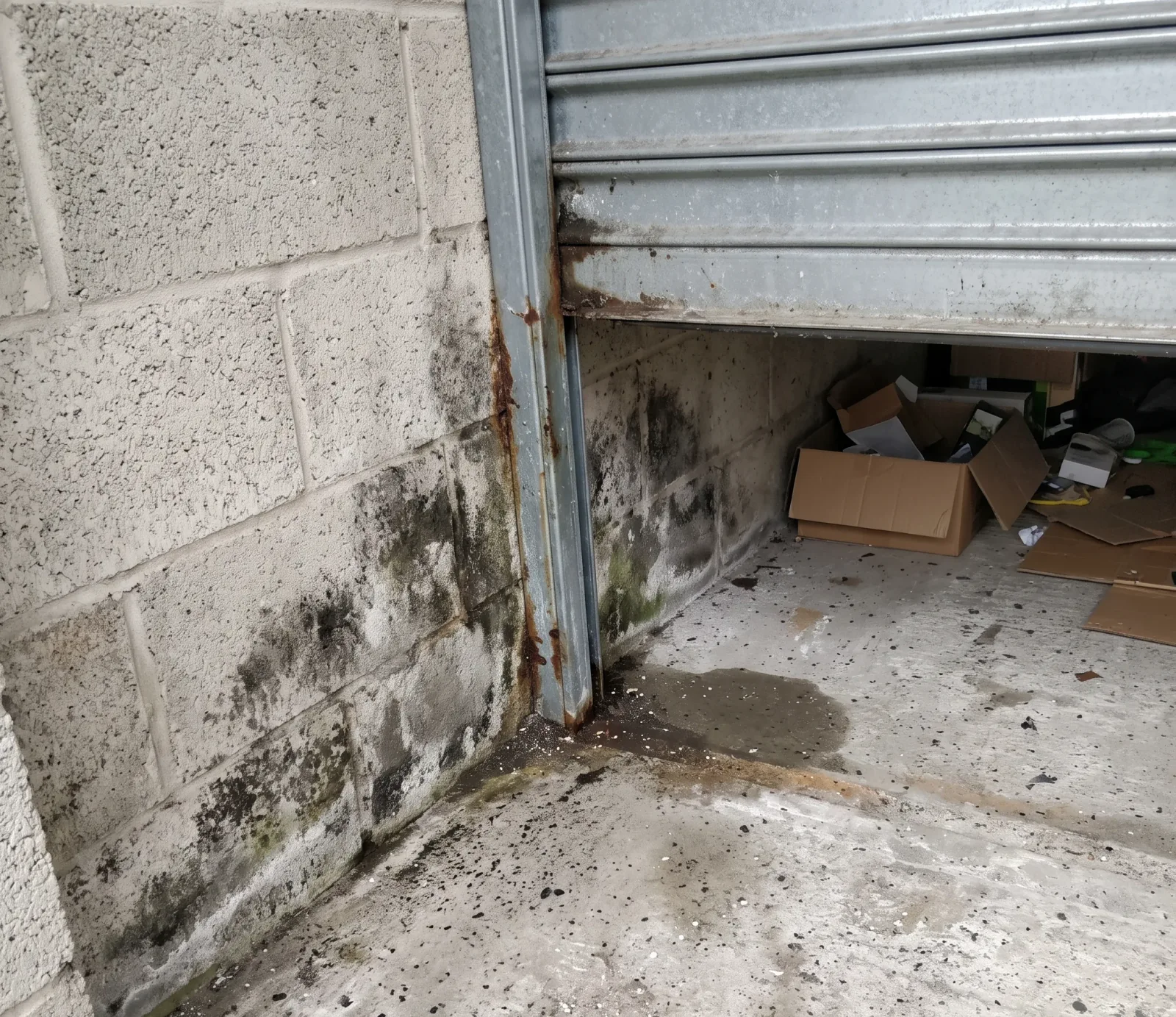
Search "is black mold dangerous" and you get a flood of conflicting answers, which leaves a Tempe homeowner staring at a dark patch under a window near Mill Avenue with no clear next step. Stachybotrys is the specific species most people picture when they say black mold, but plenty of other species also grow dark and get lumped into the same label without a lab actually looking at them.
What Stachybotrys Actually Is
Color alone cannot tell you what species you are looking at, and that gap fuels most of the black mold myth. Greenish, gray, or dark mold can all sit on the same wall, and only species identification through lab testing sorts out which one is actually there. Assuming the worst, or assuming it is nothing, are both guesses without that step.
Where the Mycotoxin Fear Started
The mycotoxin scare deserves a fair look. Some Stachybotrys strains can produce mycotoxins, compounds tied to health effects in lab studies, and that fact got amplified into stories of toxic mold making people seriously ill just by living near it. The CDC's own guidance focuses on more common reactions, not the dramatic outcomes that built the black mold myth in the first place.
What CDC Guidance Actually Says
Not every dark spot on drywall near Mill Avenue or in a Warner Ranch rental is stachybotrys, the species behind the toxic mold label. Most household mold is a milder nuisance triggering allergic reaction or respiratory irritation rather than mycotoxin exposure. Species identification needs a lab, not a guess. CDC ties damp-building time to asthma flare-ups and eczema, but sensitivity varies person to person. Air quality testing settles the black mold myth question a hunch never can.
Why Sensitivity Varies By Person
Sensitivity varies person to person, which is part of why mold stories from Escalante to University Heights sound so different from each other. One person in a household near ASU might notice respiratory irritation right away, while another living in the same rental never reacts at all. That difference is normal and does not mean one person is imagining it or the other is immune for good.
Why Species Identification Matters
Species identification matters because treatment decisions should not ride on a guess. A lab can tell a Tempe homeowner near Kiwanis Park whether a dark patch is Stachybotrys, a more common mold, or something else growing on drywall behind a leaking supply line. Air quality testing can also measure spore count in a room, which gives a number instead of a feeling about how bad the air actually is.
The Moisture Problem Either Way
None of this means dark mold in a Tempe home is something to shrug off. Any mold growing indoors, dangerous species or not, points to a moisture problem that needs a fix, whether that is a slab leak, a roof failure from a monsoon storm, or condensation off a swamp cooler unit. The health question and the moisture question are separate, but both deserve attention.
Who Faces Higher Risk Here
Households already dealing with asthma, allergies, or a compromised immune system carry more risk from any mold exposure, not just from Stachybotrys specifically. A family near Papago Park with a child who has asthma has more reason to act quickly on a wet ceiling than a household without those conditions. That is a reasonable, evidence-based way to prioritize, not panic.
Removal Doesn't Wait On Lab Results
Removing dark mold from a Tempe home does not require knowing the exact species first, since the safe handling steps are largely the same either way. What changes with species identification is the confidence behind the decision, not the basic caution. A patch near Mill Avenue rental housing gets treated carefully regardless of whether lab results are pending or already in hand.
Why Duration And Extent Matter
Health effects tied to mold are also shaped by how long exposure lasts and how much of it there is, not just which species is on the wall. A small patch discovered quickly near Tempe Town Lake behaves differently than mold that has spread through a wall cavity for months. Time and extent matter as much as the name of the species involved.
Confirming Cleanup With Air Testing
Air quality testing before and after cleanup gives Tempe homeowners a way to check whether spore count actually dropped, rather than trusting that a patch looks clean. That step matters most for anyone in the household with a diagnosed sensitivity or a lung condition. For everyone else, it is a useful confirmation but not the only measure of whether the job worked.
Separating Myth From Real Risk
The honest summary is this: some Stachybotrys strains can produce mycotoxins linked to health effects, and CDC-documented reactions like respiratory irritation and allergic reaction are real for some people, especially those with asthma or immune conditions. But the worst version of the black mold myth outpaces what agencies have actually confirmed. Treat any dark mold in a Tempe home as a moisture problem worth fixing, not a verdict on how sick it will make you.
Dealing with this in your home?
A rental near Apache Boulevard can run fine through the summer, then take on water when a flood irrigation gate off Warner Road stays open too long. Tempe's caliche layer barely drains, so water pools against the slab foundation and finds the door faster than an ASU student expects.