Downtown Tempe, AZ
Mill Avenue condo towers and older Maple Ash bungalows both sit on slab foundations, no basements.
Water damage restoration in Downtown Tempe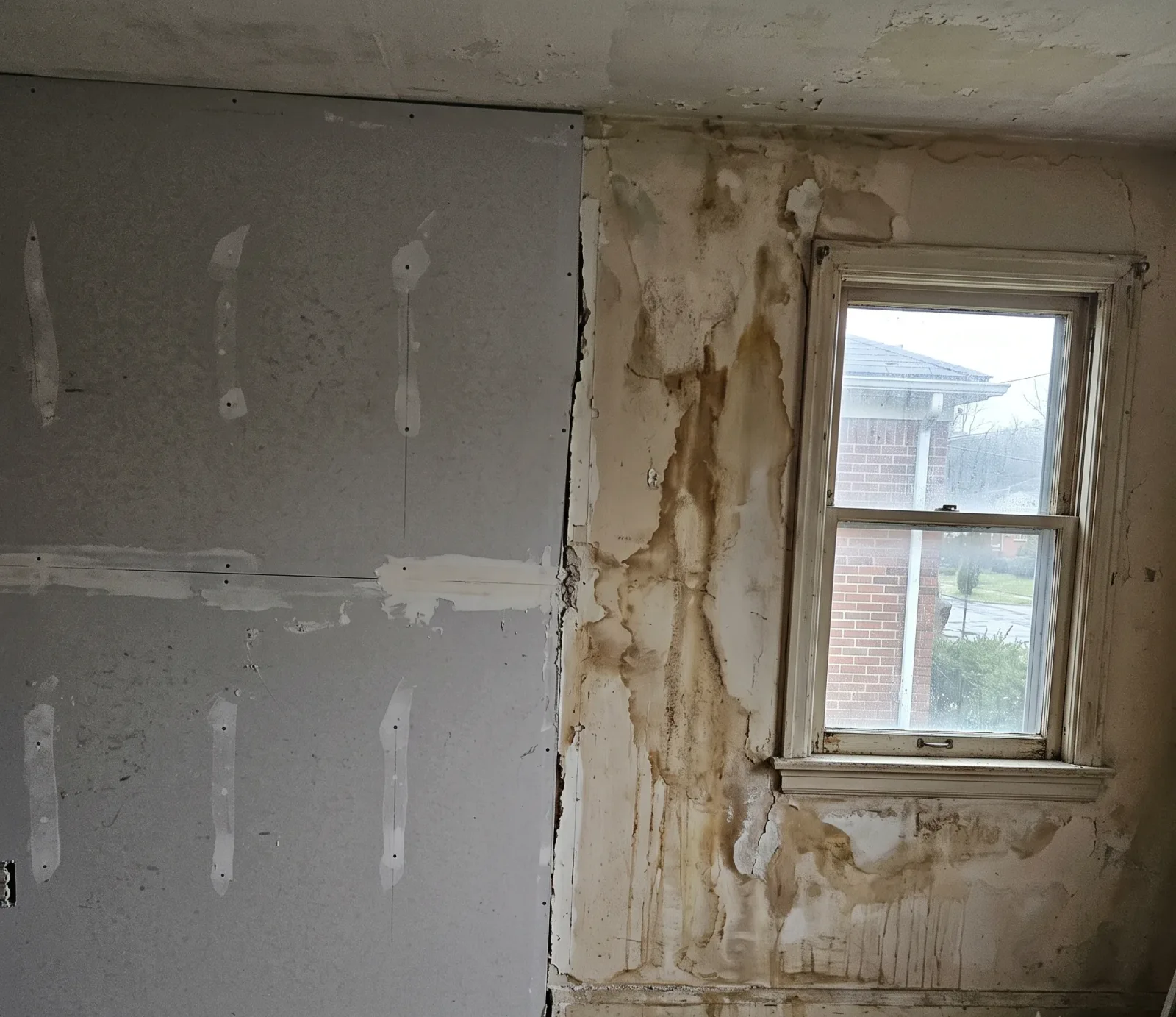
Tempe homes sit on concrete slab foundations, from The Lakes to older stretches near Priest Drive, so water doesn't pool below grade — it spreads sideways across flooring and up baseboards. Caliche hardpan under the yard also slows drainage, keeping runoff pressed against the house longer than you'd expect.
Water damage in Tempe usually starts small: a water heater giving out in a Warner Ranch garage, a swamp cooler pan overflowing, or a cracked supply line under a University Heights sink. Caliche hardpan under most yards keeps runoff from soaking away fast, so a leak left alone spreads instead of draining off.
Mill Avenue condo towers and older Maple Ash bungalows both sit on slab foundations, no basements.
Water damage restoration in Downtown TempePriest Drive and Broadway Curve frontage means runoff from I-10 pavement and rooftops has to go somewhere, and this stretch of West Tempe often catches it…
Water damage restoration in West TempeA 1970s-90s lake community on slab foundations, where caliche soil keeps monsoon runoff and irrigation overflow sitting against the slab instead of…
Water damage restoration in The Lakes1980s-to-early-90s tract homes on slab foundations throughout Warner Ranch Estates, Village, Landing, Crossing, and Manor.
Water damage restoration in Warner RanchHomes and businesses right across Tempe, AZ and the wider Maricopa County area.
Flat and low-slope roofs are common around Tempe, and monsoon downpours find every weak seam fast. Add a haboob's dust to a wind-driven leak and drywall near McClintock Drive or Kyrene Road stains within hours. Caliche beneath the slab slows runoff, so water lingers instead of draining off.
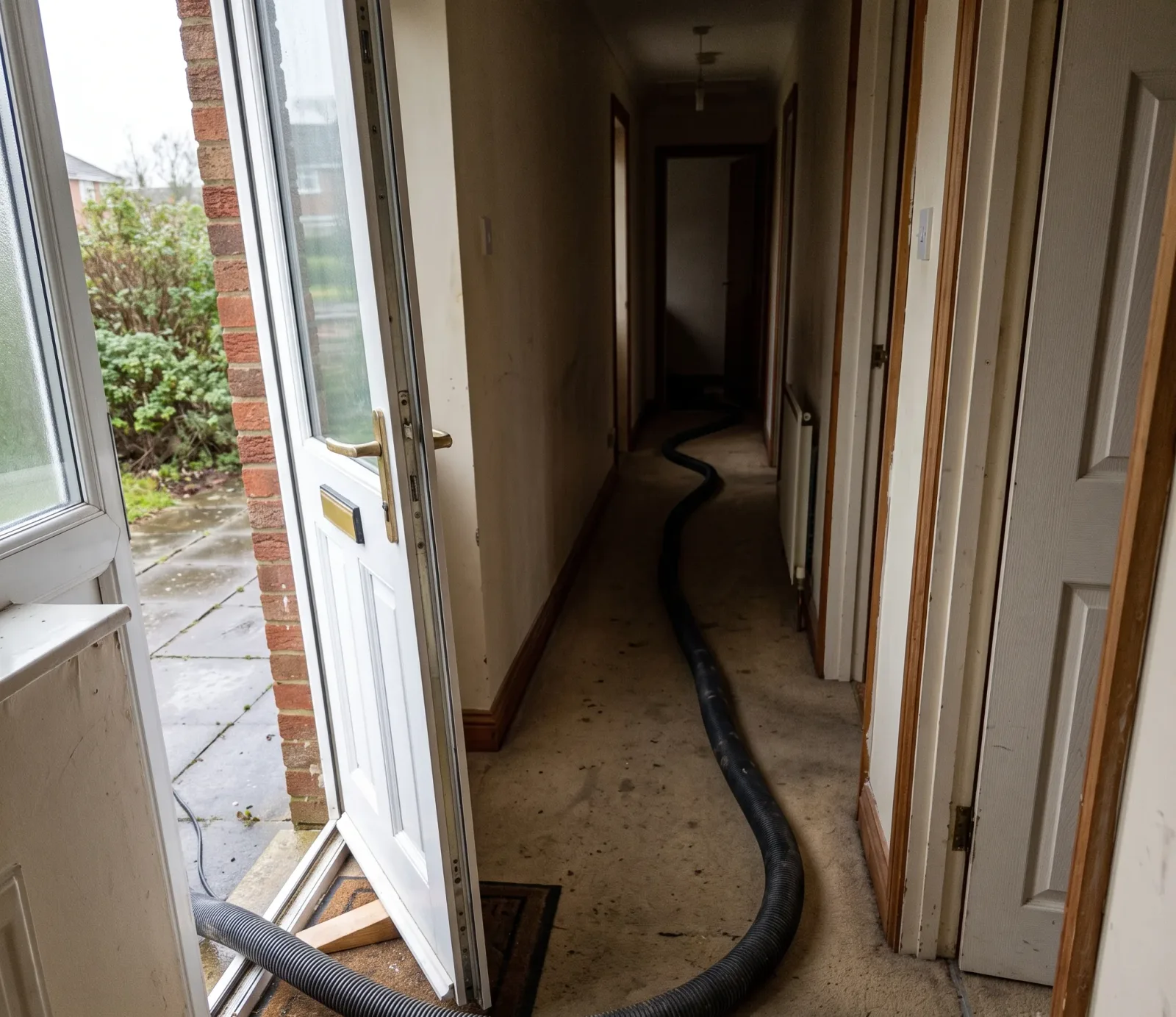
Fast water removal for Tempe homes and businesses, any hour.
Learn about Emergency Water Extraction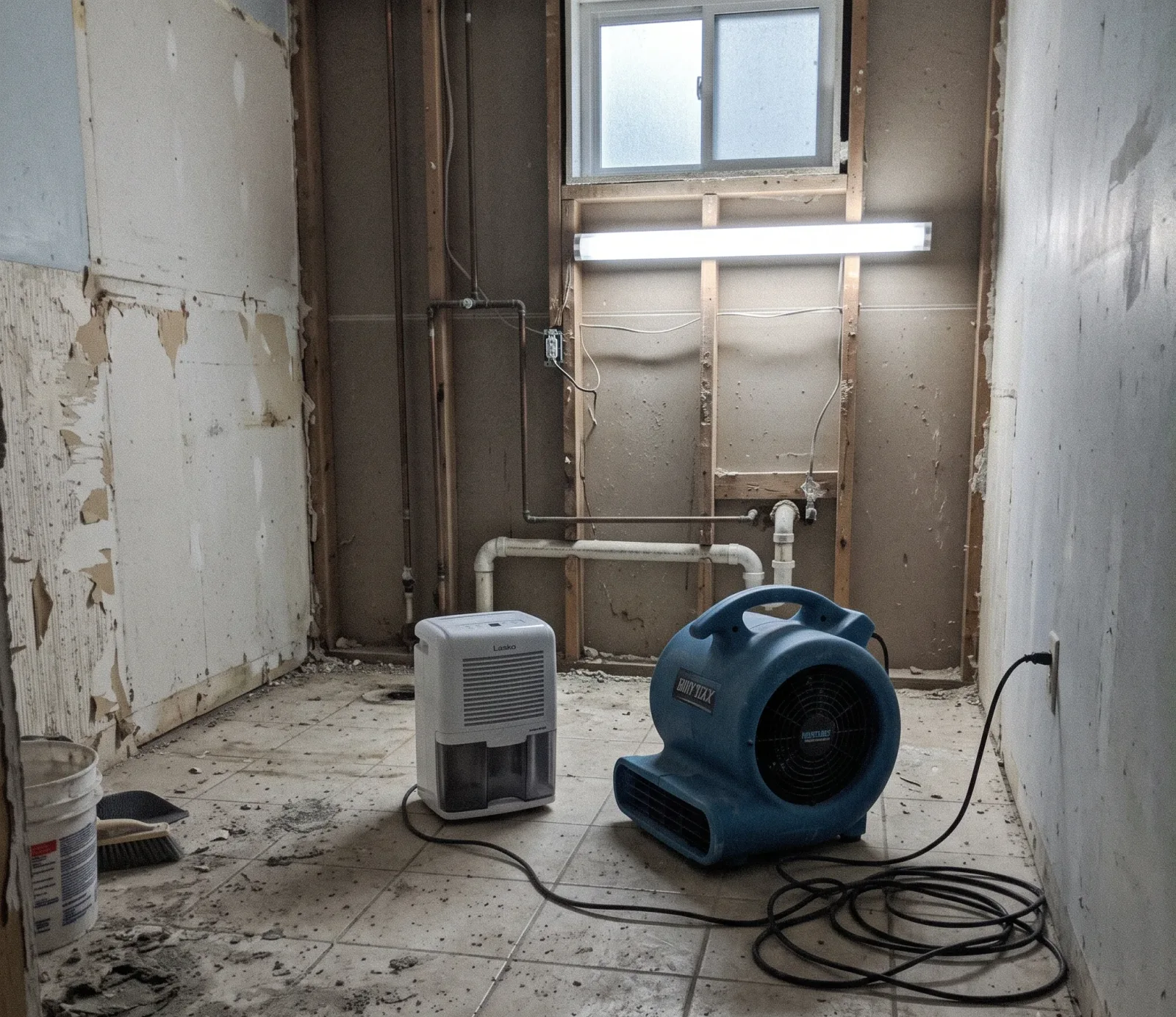
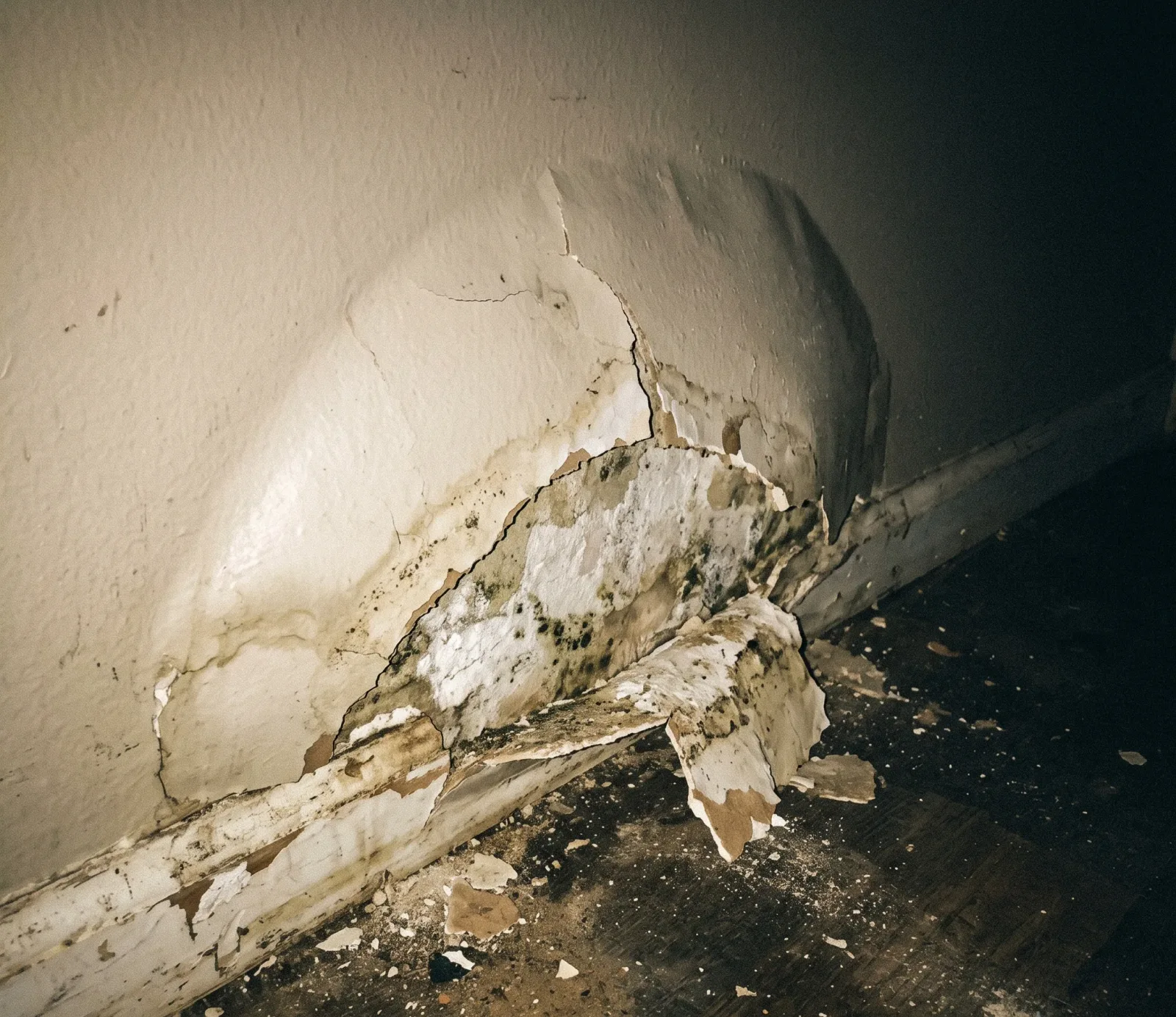
Sealed containment and source removal after a leak sits too long
Learn about Mold Remediation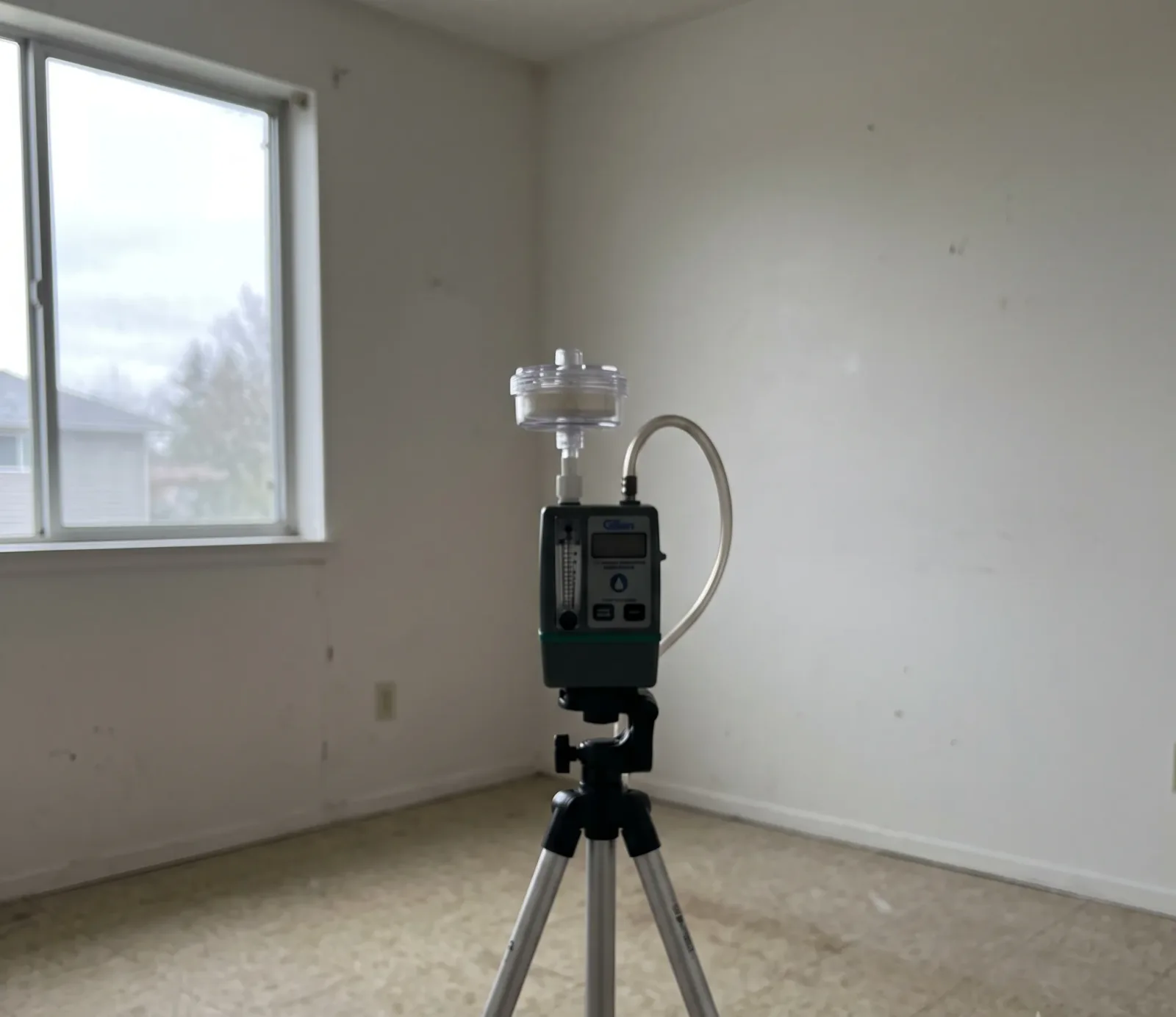
Moisture mapping and lab sampling before the drywall near Tempe Town Lake comes down.
Learn about Mold Inspection & Testing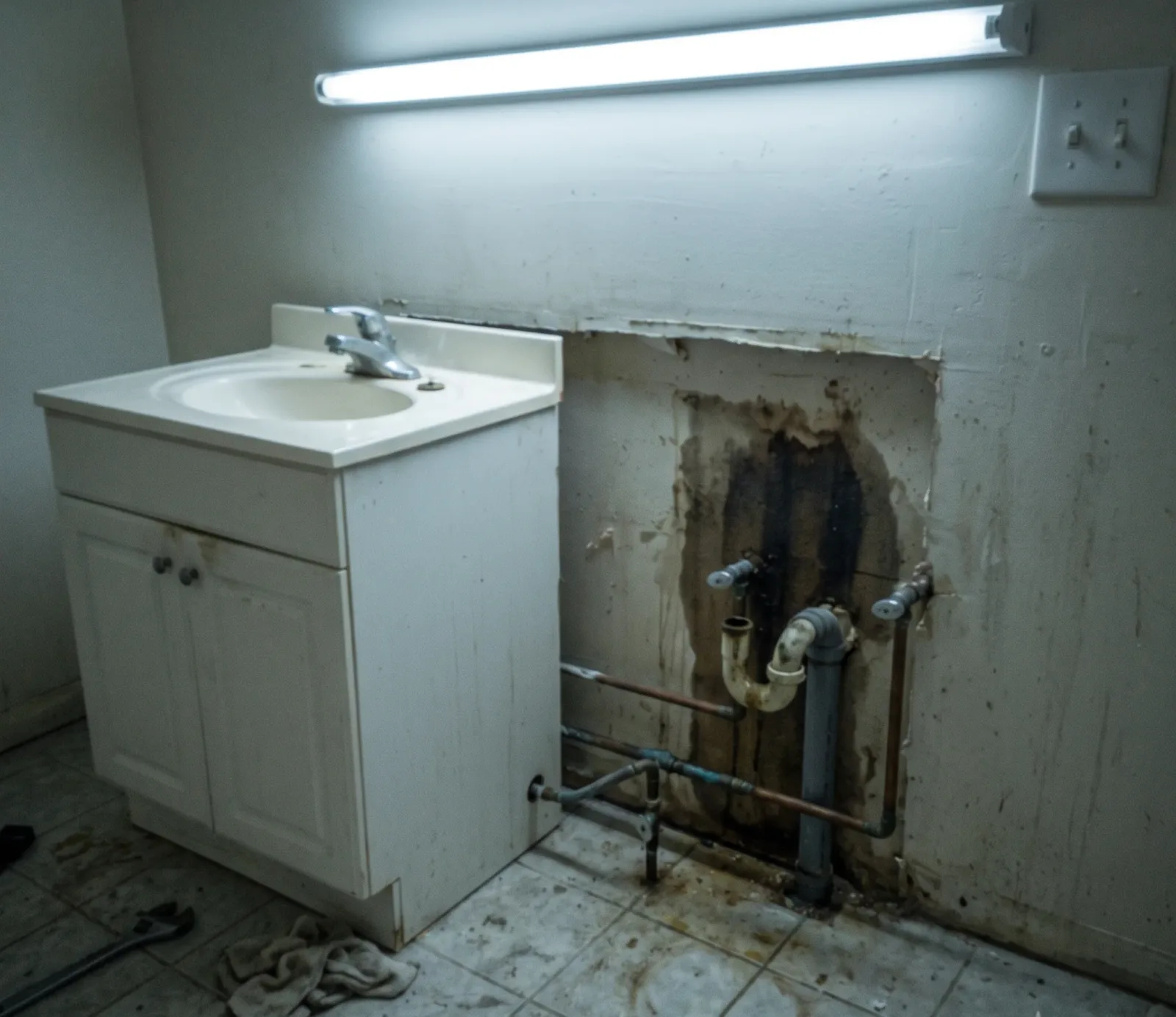
Fast tarping and board-up after Tempe monsoon storms hit
Learn about Storm & Monsoon Damage Restoration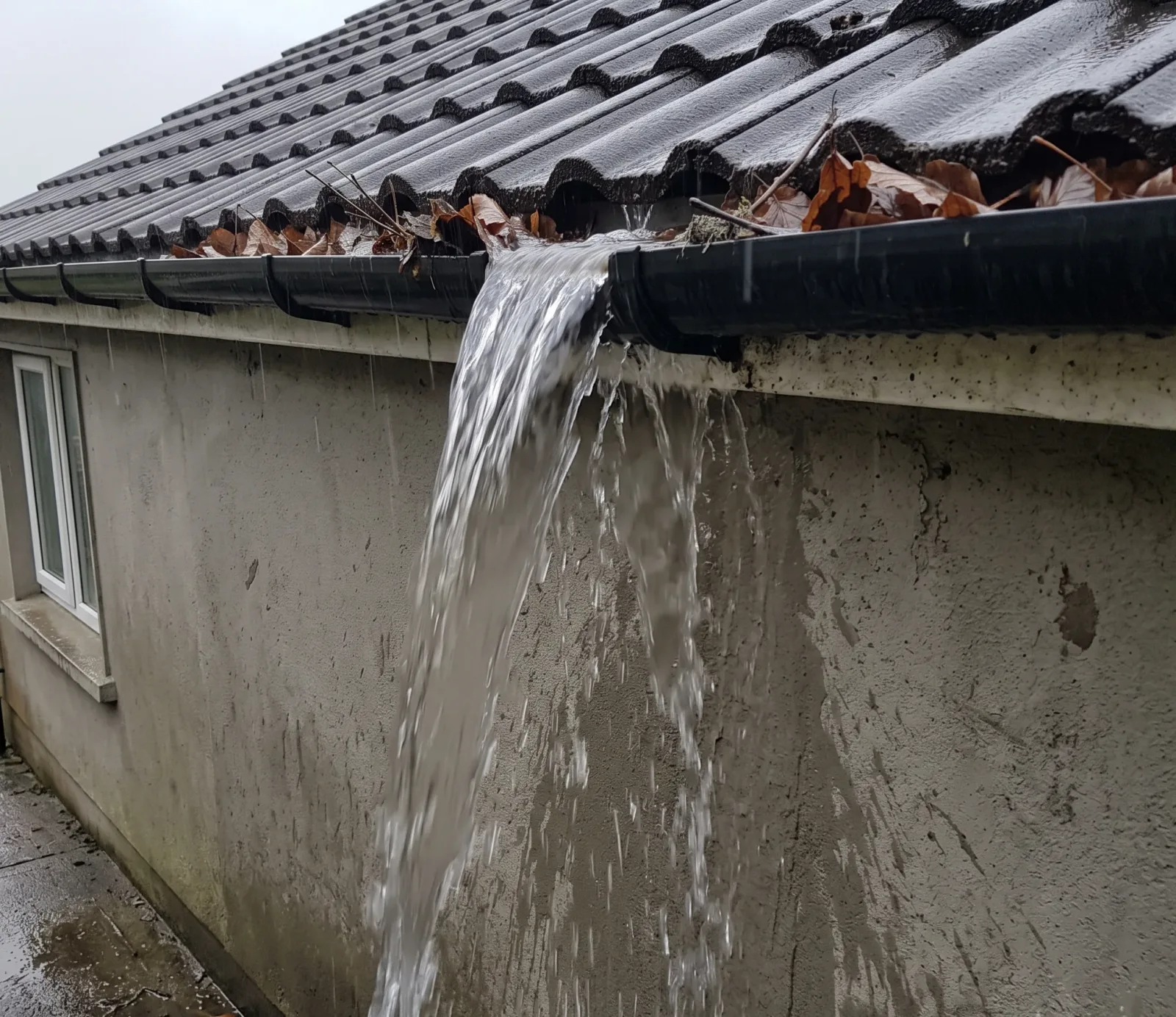
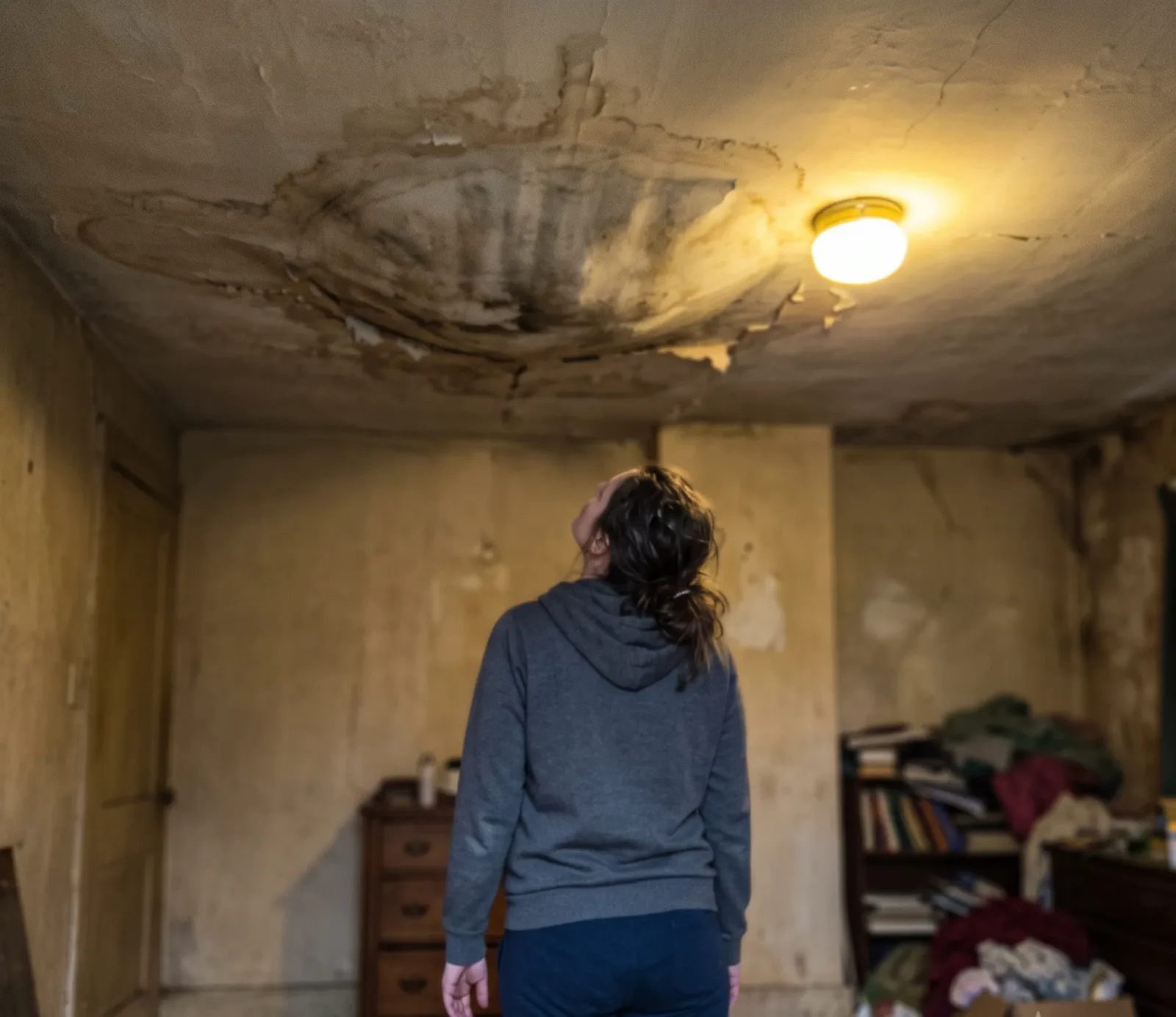
Fast response when a roof leak soaks your Tempe ceiling or attic
Learn about Roof Leak Water Damage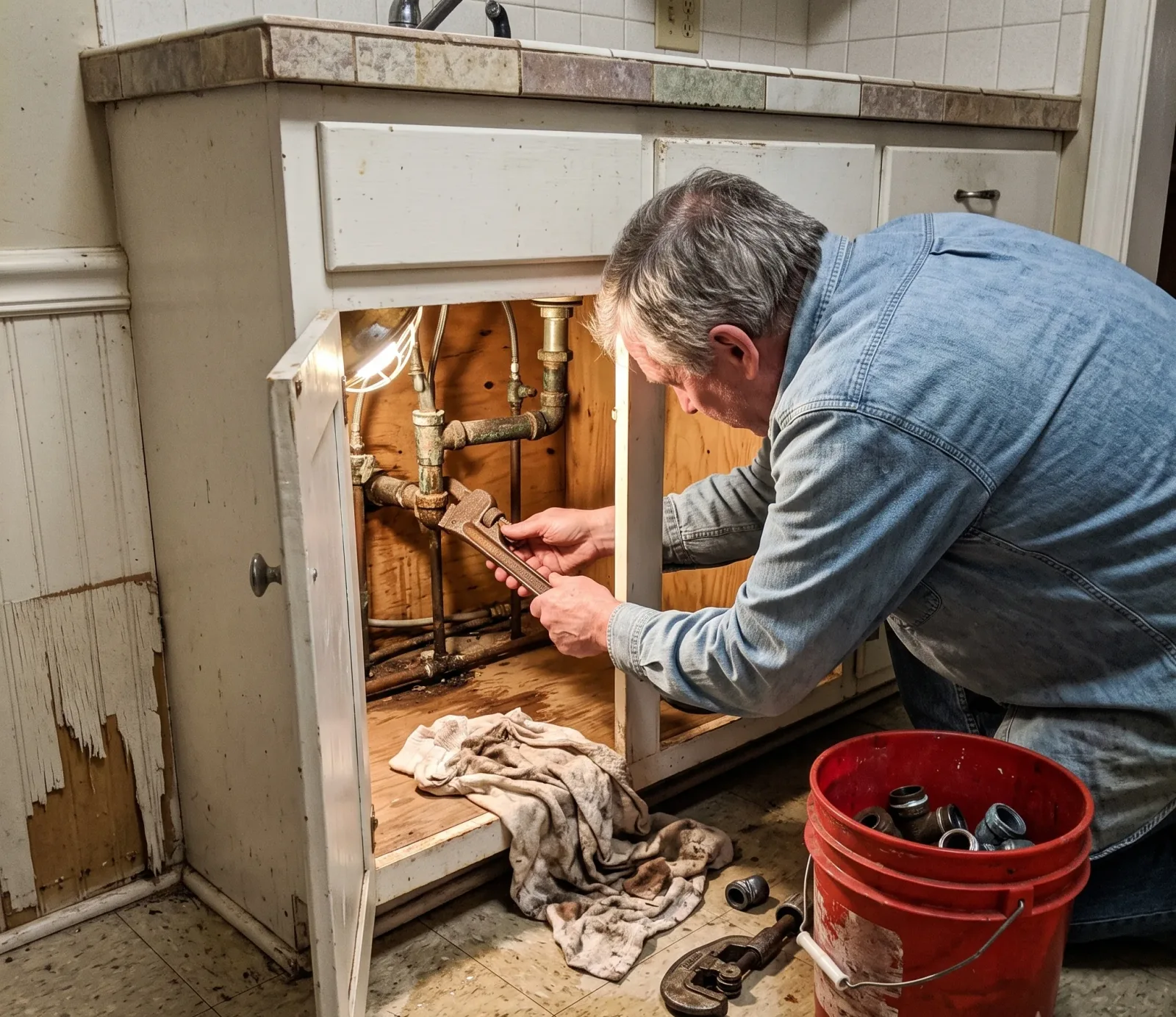
A supply line fails inside the wall, water spreads before you see it
Learn about Burst Pipe & Supply Line Water Damage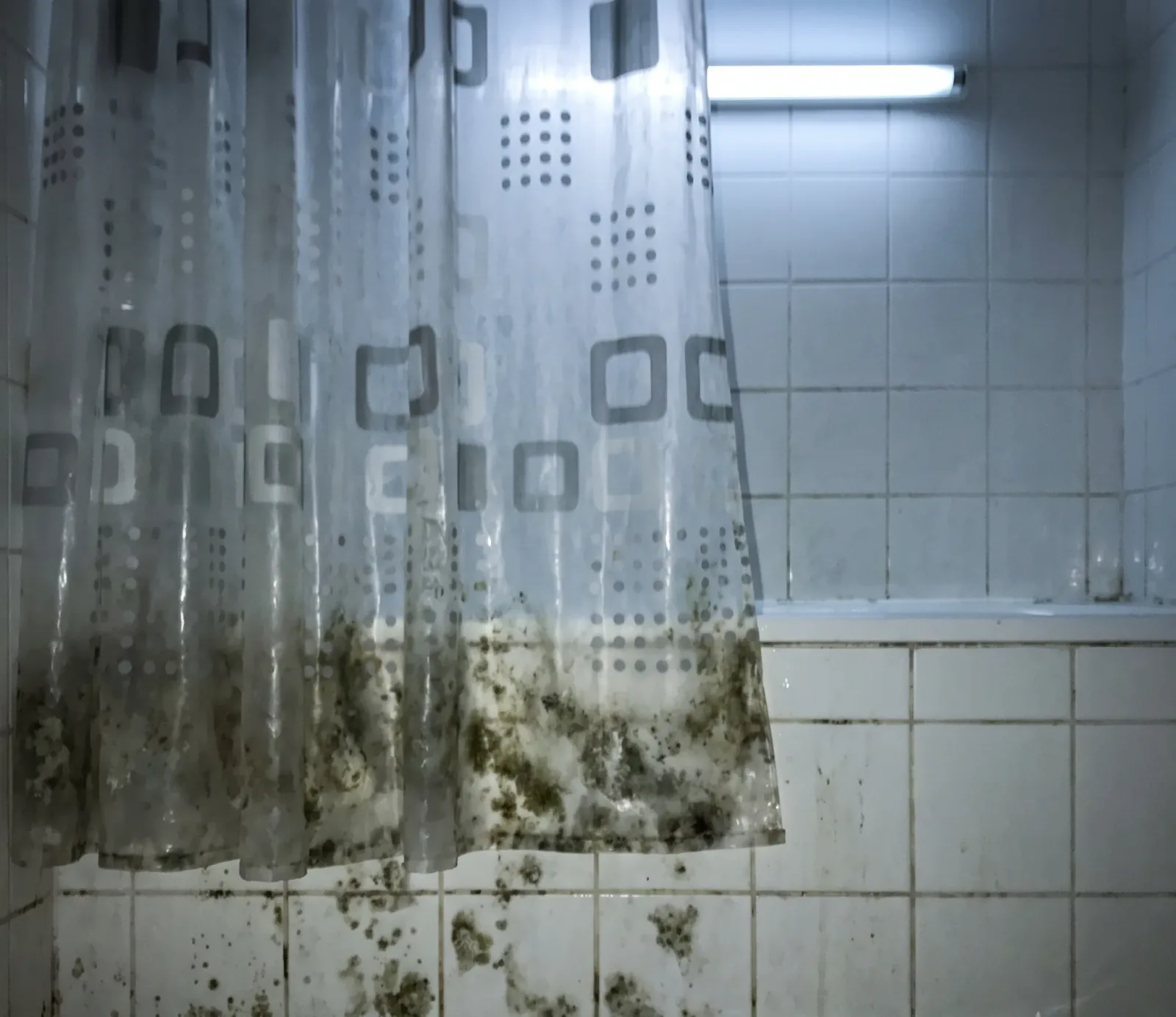
Triple-digit heat and closed-up rooms near ASU or Kyrene Road push a damp wall toward trouble fast. Renters and owners alike often don't catch a slow leak until the drywall softens, and by then the fix costs more than the plumbing part that failed.
Storm season prep, early warning signs, and practical advice for Tempe homeowners.
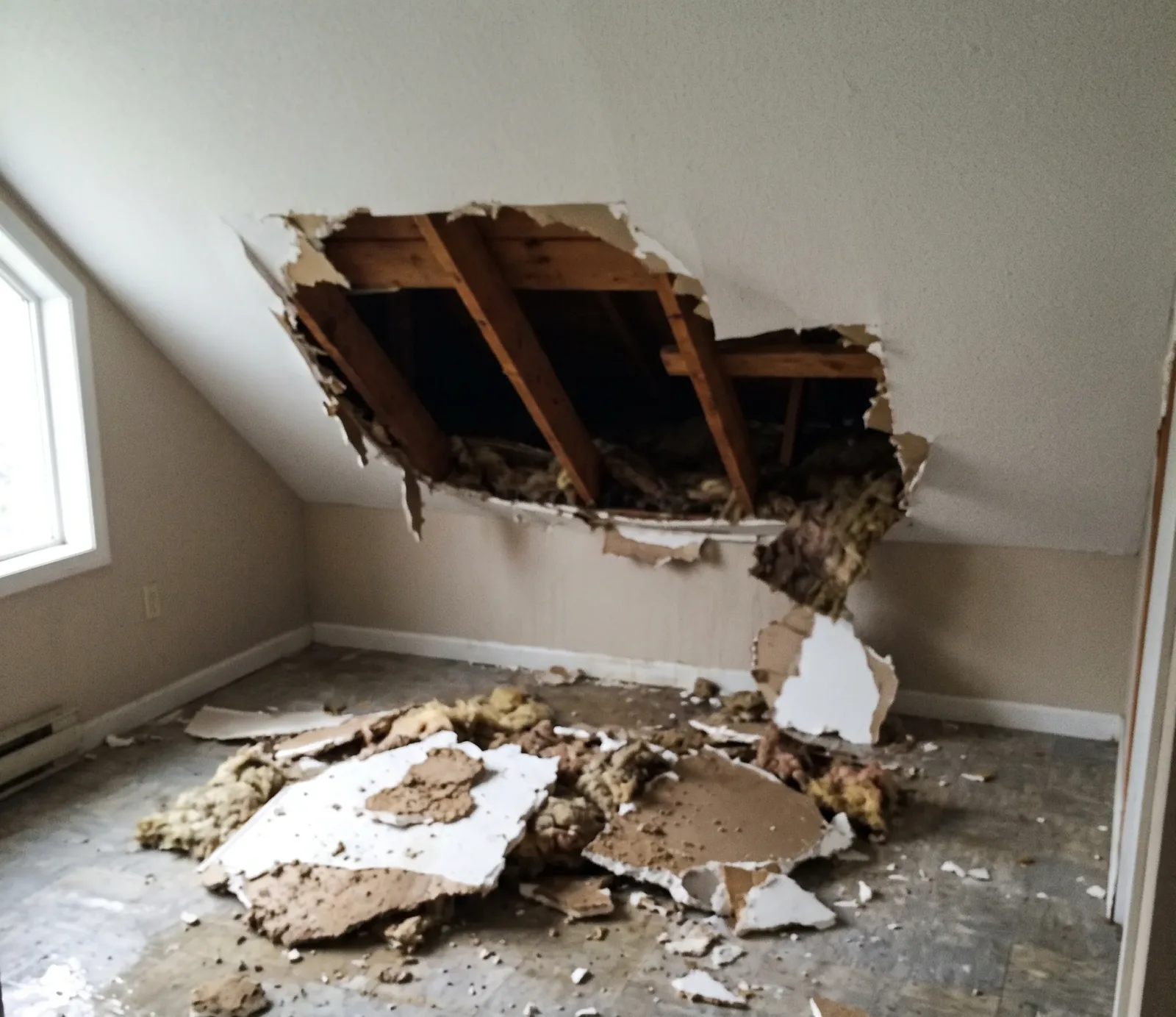
Where ponding starts on a flat Tempe roof, what a bad seam looks like from inside, and how often drains and scuppers actually need clearing.
Read article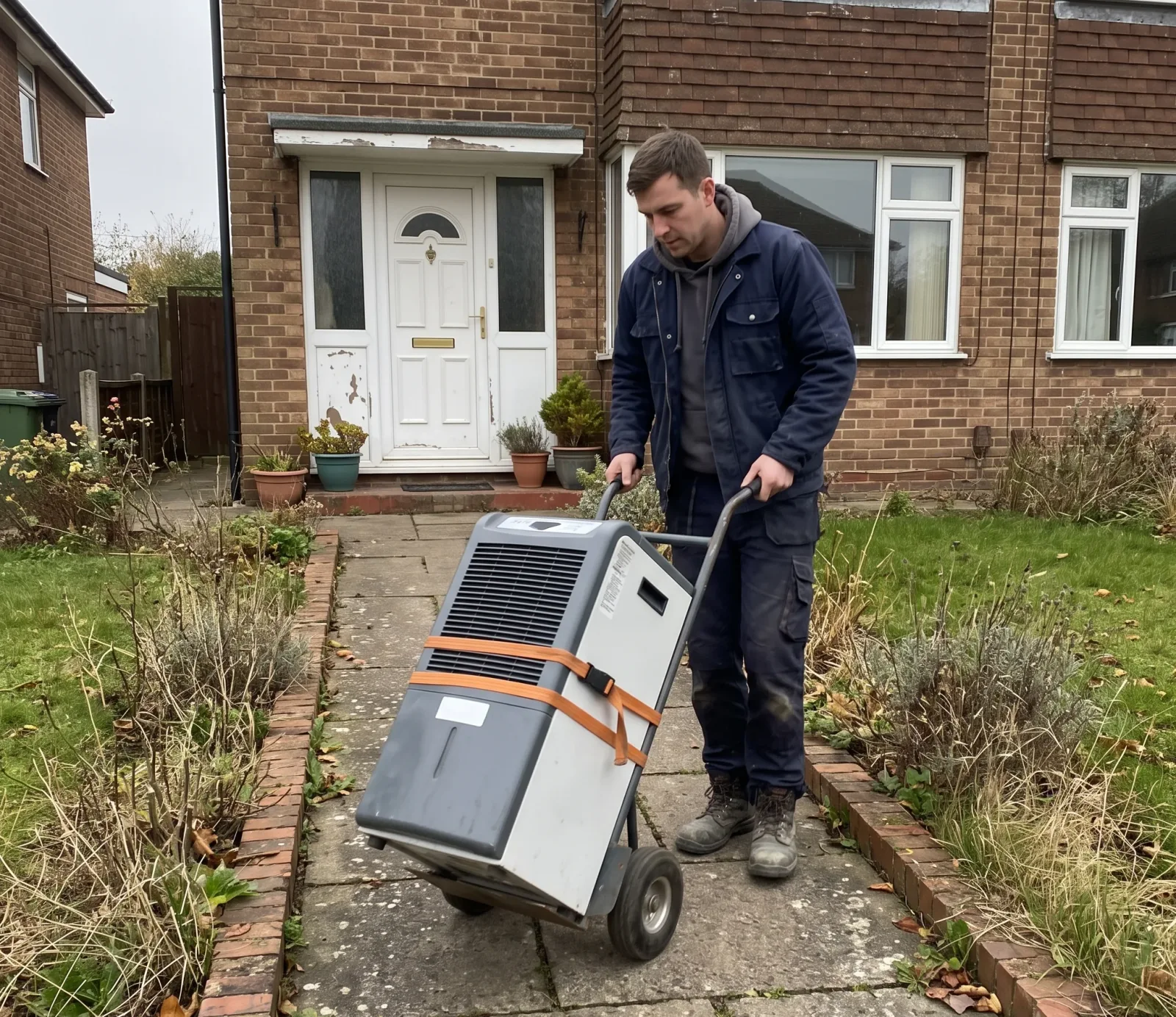
Before Tempe's monsoon season hits, walk the roofline, the yard slope, and the water heater tag. A short checklist beats a flooded kitchen near Mill Avenue or Kiwanis Park.
Read article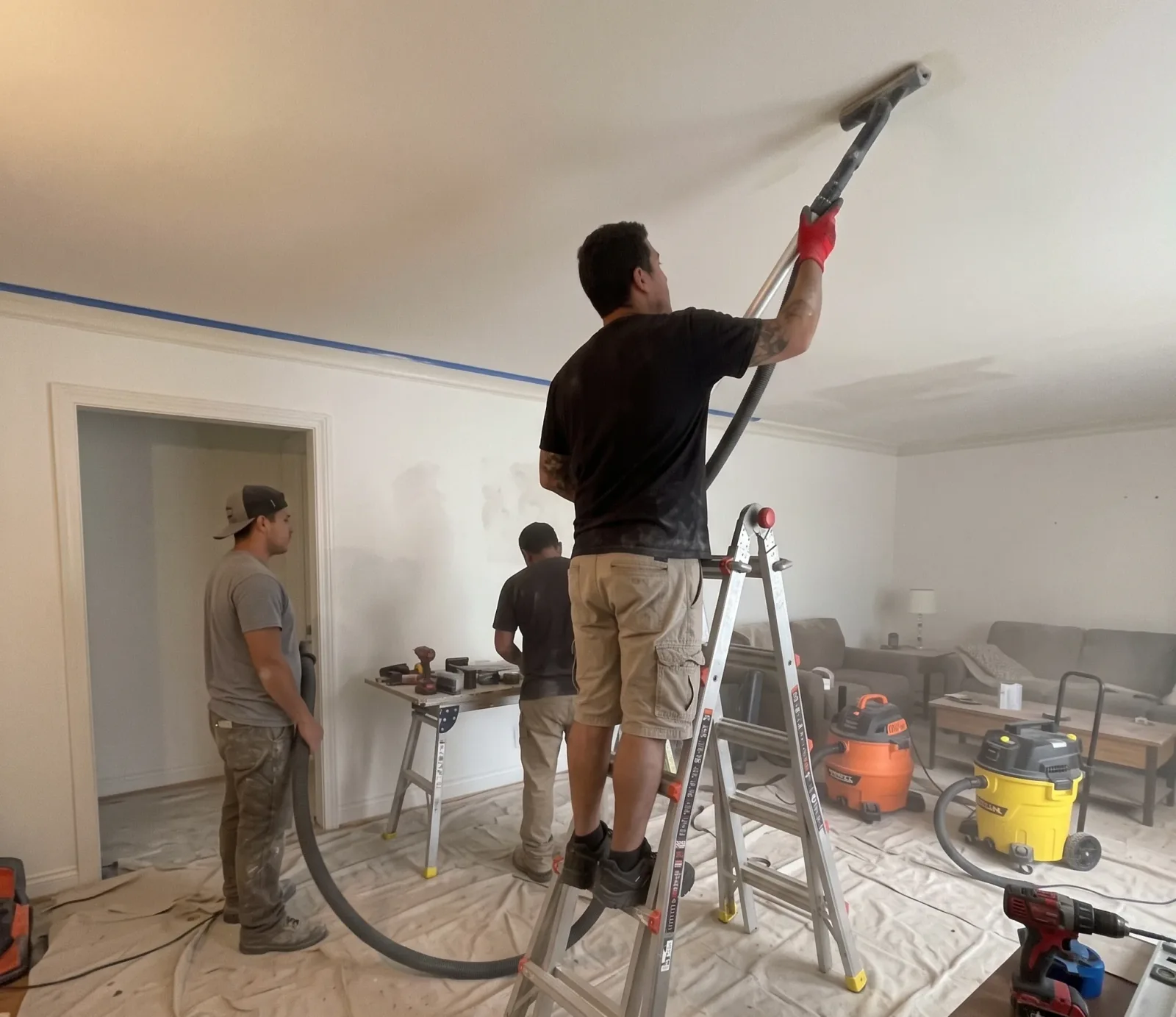
Before the fans start running, a Tempe restoration crew walks the damage, maps moisture, and writes a plan. Here's what that first hour looks like.
Read articleLiving in Tempe, AZ has its perks, but water damage restoration issues aren't one of them. Tempe AZ Water Damage Restore Pros handles Emergency Water Extraction, Structural Drying, Mold Remediation and more for local homes and businesses, with an approach built around this area's specific conditions.
Putting it right once beats going back a second time, which is why the licensed pros we connect you with work from the source of the water rather than the stain it left behind. From Mold Inspection & Testing and Sewage Cleanup to a whole-floor loss, the order of work does not change.
A call from Tempe or its neighbors from Downtown Tempe and West Tempe to The Lakes and Warner Ranch goes to pros who already work this part of Maricopa County, with the kind of local knowledge (Mill Avenue, Arizona State University, Tempe Town Lake, Hayden Butte included) an out-of-town outfit cannot match.
Around Tempe, the calls follow the calendar. Monsoon season pushes rain through flat roofs near Mill Avenue and the ASU-area rentals, while flood irrigation days along Warner Ranch and West Tempe send water under slab foundations built on caliche that will not drain. Water heaters fail everywhere, but a haboob followed by rain is the combination that catches people off guard.
Water pooling across a slab floor near Mill Avenue or a rental by ASU won't drain on its own; caliche soil under Tempe keeps groundwater from pulling it away fast. Once carpet pads, baseboards, and cabinetry bases sit wet, extraction gets harder every hour. If a supply line, water heater, or roof leak has left standing water, that's the call for truck-mounted extraction, not a wet vacuum and a mop.
Emergency Water Extraction →A slab home near Warner Ranch can look dry on the surface while studs behind the baseboard still hold water. A penetrating meter checks inside the wood itself, past what a hand or a glance can judge from the room.
Structural Drying →Swamp coolers and AC condensation lines both add moisture indoors, and once monsoon humidity spikes in a closed-up Tempe house, a smell that won't air out usually means something behind a wall or cabinet stayed damp long enough for spores to take hold.
Mold Remediation →A musty smell that shows up after monsoon rain works through a wall near Mill Avenue or a Warner Ranch home, or a moisture reading that stays elevated days after a leak dries on the surface, both mean the water reached further than it looks. Guessing at that is how small problems turn into remediation jobs.
Mold Inspection & Testing →When a toilet, shower, or floor drain refuses water instead of taking it, the line past that fixture is blocked or full. That returning water is category 3 black water, carrying sewer-line contamination, not clean overflow. Near Escalante and Riverside, older clay and cast iron laterals narrow with age and back up under load.
Sewage Cleanup →A monsoon cell over Tempe can push wind-driven rain sideways under roof tiles and through window frames that hold fine in a normal rain. Shingle uplift and torn flashing follow the same gust line, and the water shows up on drywall and ceilings inside University Heights and Escalante homes minutes later.
Storm & Monsoon Damage Restoration →You call, and someone asks what's actually flooded: kitchen near Mill Avenue, a rental by ASU, a garage backing up after a monsoon cell rolled through. The licensed pros we connect you with want the source stopped first, then they schedule a walkthrough, usually same day.
Call (480) 681-1520 or schedule online. We ask a few quick questions about the source of the water, your property, and how urgent it is, then connect you with the soonest visit that works for you.
A local technician walks the property to confirm exactly what you’re dealing with, how far the water has tracked, and where it is coming from, then explains the plan and the estimated pricing before any work starts.
The water is stopped at its source before anything is dried, because drying around a live leak is money spent twice. Standing water comes out first, then whatever is still feeding it — a supply line, a roof, a blocked gutter, a failed sump.
Moisture readings are taken daily while the equipment runs, and the job is not finished on a schedule but on a number: the affected materials have to read back at the dry standard before anything is closed up or rebuilt.
On site, the licensed pros we connect you with check baseboards, cabinet toe-kicks, and flooring near Tempe Town Lake-adjacent neighborhoods for how far water spread under slab foundations, then map out what dries in place versus what gets pulled before caliche-trapped moisture turns into a mold problem.
Someone local picks up, works out how urgent it is, and schedules the soonest available visit, plus a few simple things to do in the meantime.
The pro who takes the job arrives ready to work, not just to look, with what’s needed to move straight from inspection into drying.
The licensed pros we connect you with locate the source, extract the water directly, and reach the hidden moisture behind walls and under flooring a quick mop-up never touches.
Moisture readings are taken daily until the structure hits its drying goal, and the readings are written down, which is what stops a job being called finished while a wall is still wet.
A water heater splits open in a Warner Ranch garage or a monsoon cell dumps on Mill Avenue faster than the storm drains near Rio Salado Parkway can swallow it, and carpets near ASU rentals are soaked before…
Rentals near Apache Boulevard and Rural Road fill fast during monsoon downpours because flat roofs common around ASU pool water instead of shedding it.
It depends on the cause. A water heater that fails in a Warner Ranch home or a supply line that splits in an Escalante rental is usually covered as sudden damage. Slow leaks, neglected maintenance, and flood-irrigation water that backs up from an SRP water day are the claims insurers push back on hardest. Get the licensed pros we connect you with to document moisture readings and cause before you call your adjuster. That record is often what separates a paid claim from a denied one.
It can, if a flood irrigation gate near your property runs long or a yard drains toward your foundation instead of away from it. Homes near Warner Ranch and other flood-irrigated Tempe lots see water push up against exterior walls and find its way in through door thresholds or low spots in the slab. Caliche under the soil slows drainage further, so standing water lingers. Shut off the water day, redirect the flow if you can, and get a moisture check on the slab and drywall fast.
Flood irrigation near Warner Ranch and other Tempe neighborhoods pushes water fast across flat lots, and caliche hardpan under the topsoil won't let it soak down. The water sits against your slab foundation instead of draining away. If a water day runs long or a gate gets left open, that standing water can push moisture through slab cracks or stucco weep screeds into your walls. The fix is checking grading and drainage paths before the next scheduled water day, not just watching the ditch.
Flood irrigation pushes a lot of water onto the yard fast, and Tempe's caliche hardpan underneath doesn't let it soak in quickly. Water sits, spreads toward the slab edge, and finds any low spot, weep hole, or door threshold gap. Near Warner Ranch and other older irrigated lots, an SRP water day left unattended is a common cause of interior water showing up along baseboards. Turn off the gate promptly and check gaps at exterior doors after each watering.
Location inside Tempe barely changes arrival time. Whether you're near Mill Avenue, Kiwanis Park, or Warner Ranch, the licensed pros we connect you with route by who's closest and open that hour, not by neighborhood. What actually shifts response speed is timing: a call during a monsoon night with flooded streets near Rio Salado Parkway competes with every other flooded house that same hour. A water heater failure at 2pm on a calm Tuesday gets attention faster than the same failure during a haboob rolling through the valley.
Usually not for the drying work itself. Pulling wet flooring, running dehumidifiers, or cutting a few inches of wet drywall on a slab foundation is standard repair, not construction. A permit matters once you're rebuilding structural framing, moving electrical, or replacing plumbing lines damaged by a water heater failure or irrigation overflow. Tempe homes near Mill Avenue, Escalante, or Warner Ranch generally see permits triggered by the rebuild stage, not the extraction stage. Check with the City of Tempe before work starts if wiring or walls come out.
Drying speed in Tempe depends on the season more than the climate overall. In summer, triple-digit heat and low humidity pull moisture out of drywall fast, sometimes in a day or two. During monsoon season, humidity spikes and a haboob can push dust into a wet room right as you're trying to dry it, which slows things and adds cleanup. Slab foundations mean no basement pooling, but flood irrigation and AC condensate leaks are common local causes worth checking first.
Most Tempe water damage jobs don't need one. Pulling wet drywall, carpet, or baseboards after a water heater failure or monsoon roof leak is repair work, not construction, so it usually skips the permit process. That changes once electrical, plumbing, or structural framing gets touched, or if a contractor is rebuilding beyond the original layout. The City of Tempe Building Safety division sets those rules, not the restoration crew. If you're unsure whether your Maple Ash or Escalante home's repair crosses that line, the licensed pros we connect you with can flag it before work starts.
Rarely start to finish. A water heater failure or roof leak near Apache Boulevard or University Drive can be pulled dry in a day if the licensed pros we connect you with get equipment running fast, but drywall and flooring repairs come after. EPA guidance says wet materials need to dry within 24-48 hours to stop mold, so speed matters more in ASU-area rentals where landlords and tenants both want the unit back fast. Full repair, especially with insurance involved, usually takes longer.
A water heater failure in a Maple Ash home or an Escalante rental rarely stays in one room. Slabs are flat and drywall wicks fast, so water travels toward hallways near Apache Boulevard before it's obvious anything failed at all.
Tempe sits on slab foundations, so a burst pipe or overflowing water heater spreads sideways across one flat floor instead of dropping into a basement. Add caliche hardpan under most yards and a monsoon storm rolling off Hayden Butte, and rainwater backs up against a house instead of soaking away. Near Tempe Town Lake or the ASU rental blocks off Apache Boulevard, that runoff plus a haboob's dust turns a small leak into a bigger cleanup fast.
Call (480) 681-1520