Doors and windows suddenly stick or won't latch
A door or window that suddenly won't latch, when it always did before, means one section of the slab has lifted. Note which room and call a foundation pro before forcing the door.
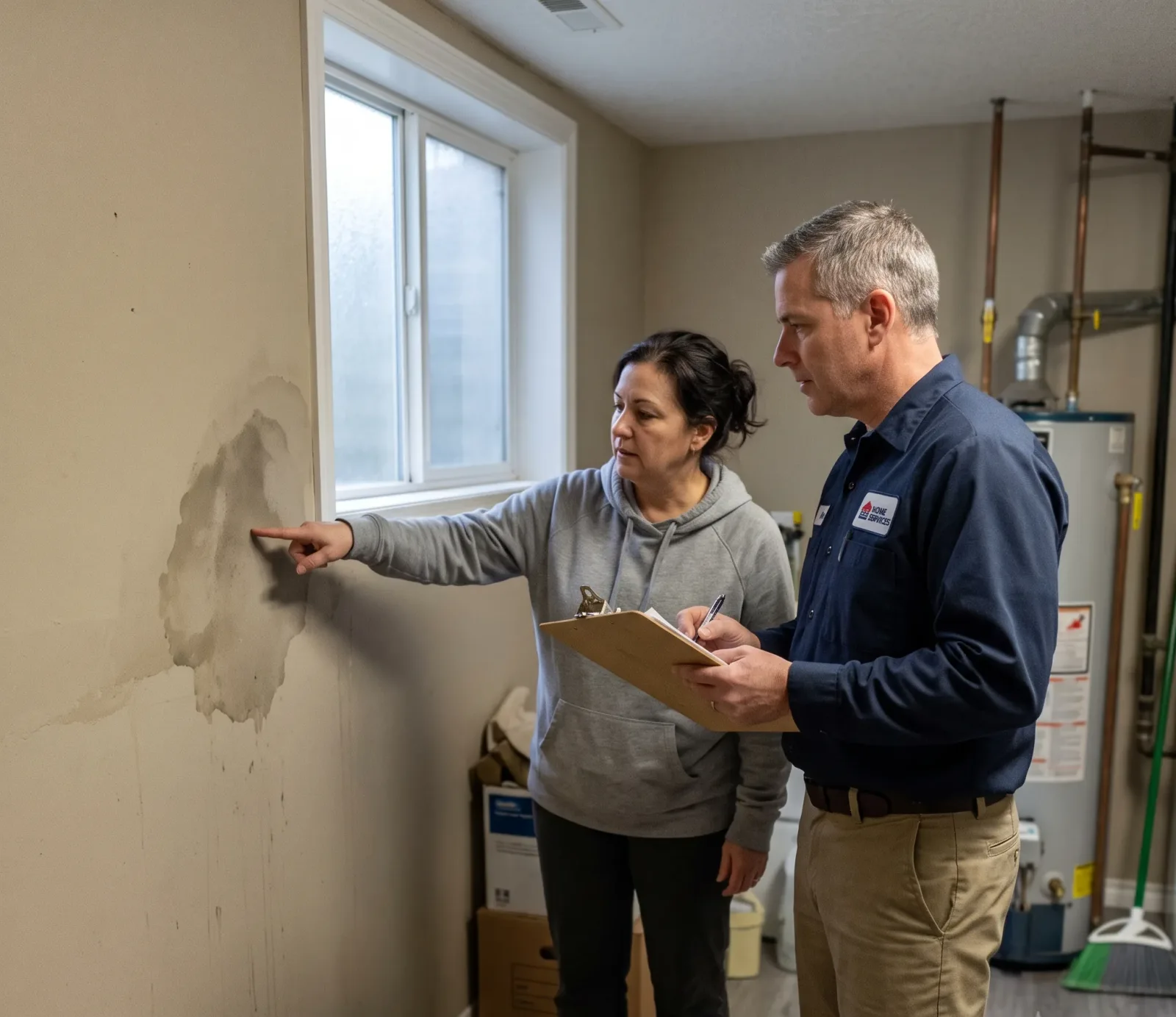
Flood irrigation cycles and monsoon season, July through September, are when clay soil around Tempe slabs takes on the most water, so heave symptoms tend to show up or worsen during those stretches.
Slab heave from expansive soil is upward movement of a concrete foundation caused by clay in the ground swelling after it absorbs water, often from flood irrigation, a broken supply line, or monsoon rain pooling against the house. It shows up as cracked tile, doors that stop closing, and hairline cracks running through interior walls near Tempe homes.
Tempe's slab sits on caliche hardpan, not open ground. That crusted layer barely drains, so a water heater failure near Mill Avenue or Rural Road can pool under flooring for days before anyone notices the swell.
A door or window that suddenly won't latch, when it always did before, means one section of the slab has lifted. Note which room and call a foundation pro before forcing the door.
Tile or grout cracking in a straight line across a room, not just at one corner, points to slab movement rather than a settling crack. Get it checked before flooring lifts further.
Hairline cracks in drywall that run diagonally from a door or window corner suggest the slab beneath has shifted unevenly. Watch if the crack reopens after you patch it once.
A visible ridge or hump under carpet or vinyl flooring, where the floor wasn't flat before, is heave pushing the slab upward. Mention the exact spot when you call for an inspection.
Exterior stucco cracks stepping upward near a corner of the house, paired with a gap opening under the foundation line, means the soil under that corner is swelling more than the rest.
Tempe soil runs from caliche hardpan to pockets of expansive clay, and clay swells hard when it gets a steady soak, which flood irrigation and monsoon downpours both provide on a schedule most other cities don't have.
Neighborhoods like The Lakes, built since the 1970s on slab foundations, sit on soil that's been watered on a set cycle for decades, giving clay pockets under some lots more chance to swell and shrink than newer, less-irrigated infill.
A monsoon microburst can dump an inch of rain in under an hour. Flat and low-slope roofs common around Mill Avenue and West Tempe take that load directly, and a single blocked scupper backs water up until it finds a ceiling seam to leak through.
Slab settlement, where soil compresses and the foundation sinks, gets mixed up with heave, where soil swells and the foundation lifts. The direction of movement, and the water source behind it, tell them apart. Homeowners often blame a slab leak for the same cracked tile and uneven floor that heave causes. A slab leak usually comes with a warm spot, a rising water bill, or the water meter spinning; heave shows up as doors sticking and cracks appearing without any water bill change at all.
The licensed pros we connect you with check for hairline cracks that run diagonally from door corners, doors that stick along the top, and tile grout popping loose near Tempe slab edges. They measure crack width, check soil moisture against the caliche layer below, and confirm whether the slab leak issue is separate from heave before opening any flooring.
If plumbing is cleared, they document crack patterns and door reveals, then bring in or recommend a foundation specialist to measure elevation differences across the slab before anyone talks about mudjacking or piering.
Caliche hardpan sits under most of Tempe, from Warner Ranch to the streets around Kiwanis Park, and it barely lets water through. A monsoon downpour on University Drive or Apache Boulevard pools against a slab instead of draining, so water finds a door threshold or a low spot fast.
| Who's On Site | Water Types We Handle |
|---|---|
| Caliche under Tempe lots is packed hard, so rain from a slab leak or a missed SRP water day doesn't soak away — it spreads sideways under the flooring. Homes near Warner Ranch and West Tempe sit on this same hardpan, and the water can travel before anyone notices a stain. | Flash flooding here does not come from a river overflowing; Tempe Town Lake is a controlled channel, not a flood source. The risk is a storm drain clogged near Apache Boulevard or a low spot off McClintock Drive filling faster than it empties. |
| Caliche hardpan under Tempe yards keeps water from draining away fast, so a leaking water heater or a burst supply line can spread across a slab floor for hours before anyone notices, soaking baseboards near Mill Avenue and Rio Salado Parkway alike. | Flood irrigation on an SRP water day near Warner Ranch can sit too long against a house if a gate's forgotten, while a monsoon cell over Papago Park sends runoff toward Tempe Town Lake fast enough to back up yards before it drains through the caliche below. |
| Rental turnover near ASU and Apache Boulevard means water heaters and AC condensate lines get pushed hard and checked rarely. A slow leak under a slab-on-grade unit can wick into flooring for days before a tenant near Mill Avenue even notices the smell. | Tempe Town Lake keeps the Salt River channel controlled, but the neighborhoods around it still take on water during monsoon season. Rio Salado Parkway and low ground near Hayden Ferry Lakeside can pool fast when a July thunderstorm outpaces the storm drains, pushing water toward slab foundations before anyone gets home to check. |
You can't push soil back down or re-level a slab yourself, and guessing at which crack is heave versus a slab leak wastes time. What you can do: photograph cracks monthly, keep irrigation water off the foundation line, and stop assuming a stuck door is just humidity. Once tile pops or a door won't latch, call a foundation and plumbing pro together, not one alone.
Slab heave doesn't rot wood or grow mold the way a slow leak does, but it cracks tile, jams doors, and stresses cast iron pipe joints under the slab until they separate. That separation can let sewage backup seep into the soil beneath Tempe homes, or let water intrusion wick up through the new crack. The health risk is indirect: hidden moisture behind drywall or under flooring, not an obvious puddle, so it's often ignored until it smells.
Water pooling against a slab near Escalante or Riverside won't dry itself in this heat. Call (480) 681-1520 and a licensed pro can start today.Water sitting past 48 hours near Mill Avenue rentals or a Warner Ranch home crosses a line drying alone won't fix. Once growth starts, remediation is a separate job from extraction, and the licensed pros we connect you with price that scope on its own. pricing guide, and the service that handles this is Slab Leak Detection & Repair.
Sudden Plumbing Failure. A burst supply line is a water pipe feeding a fixture that splits open, usually from corrosion or a bad fitting, and releases water under full house pressure.
Emergency Water Damage. A fire sprinkler discharge is a triggered ceiling head releasing pressurized water fast and wide across one room, unlike a slower leak from a supply line or water heater failure.
Sewage & Backflow Damage. A sewage backup is waste water pushed back into a Tempe home through a toilet, floor drain, or the lowest fixture on the line, usually because a main line is blocked or a city line surcharges during heavy monsoon flow.
Bring in a foundation engineer first to confirm it's heave, not settlement, then a licensed plumber to rule out a slab leak feeding the soil. Both matter before repair, since fixing one without checking the other often means doing it twice.
Homeowner's policies generally exclude earth movement and soil expansion as a peril, since it's treated as a maintenance and geology issue rather than sudden damage. Coverage sometimes applies if a burst pipe caused the soil saturation, so it depends on the trigger.
Yes, especially near Papago Park and older sections of West Tempe where clay content runs higher than the caliche-dominant soil found elsewhere in Maricopa County. Homes on a consistent water schedule, like flood irrigation, see it more.
Not usually right away. A cracked tile near Mill Avenue or in The Lakes can sit for months before a door jambs or a wall crack widens enough to notice, especially if the swelling soil is only under one corner of the slab.
Tempe sits flat on caliche hardpan, so rain doesn't sink in near Tempe Town Lake or Papago Park — it pools against the slab. That standing water finds a threshold or a hairline crack faster than homeowners expect, especially on streets with a Salt River-era drainage layout.
Call (480) 681-1520