Late June is when Tempe homeowners should walk the property line once, before the first monsoon cell rolls in off the desert. This isn't about fixing anything yet. It's about finding the five or six spots that turn a hard rain into a wet floor: gutters, grading, a sump pump nobody's tested, an aging water heater, and the shutoff valve you'd need in a hurry near McClintock Drive or Rural Road.
Gutters And Downspouts First
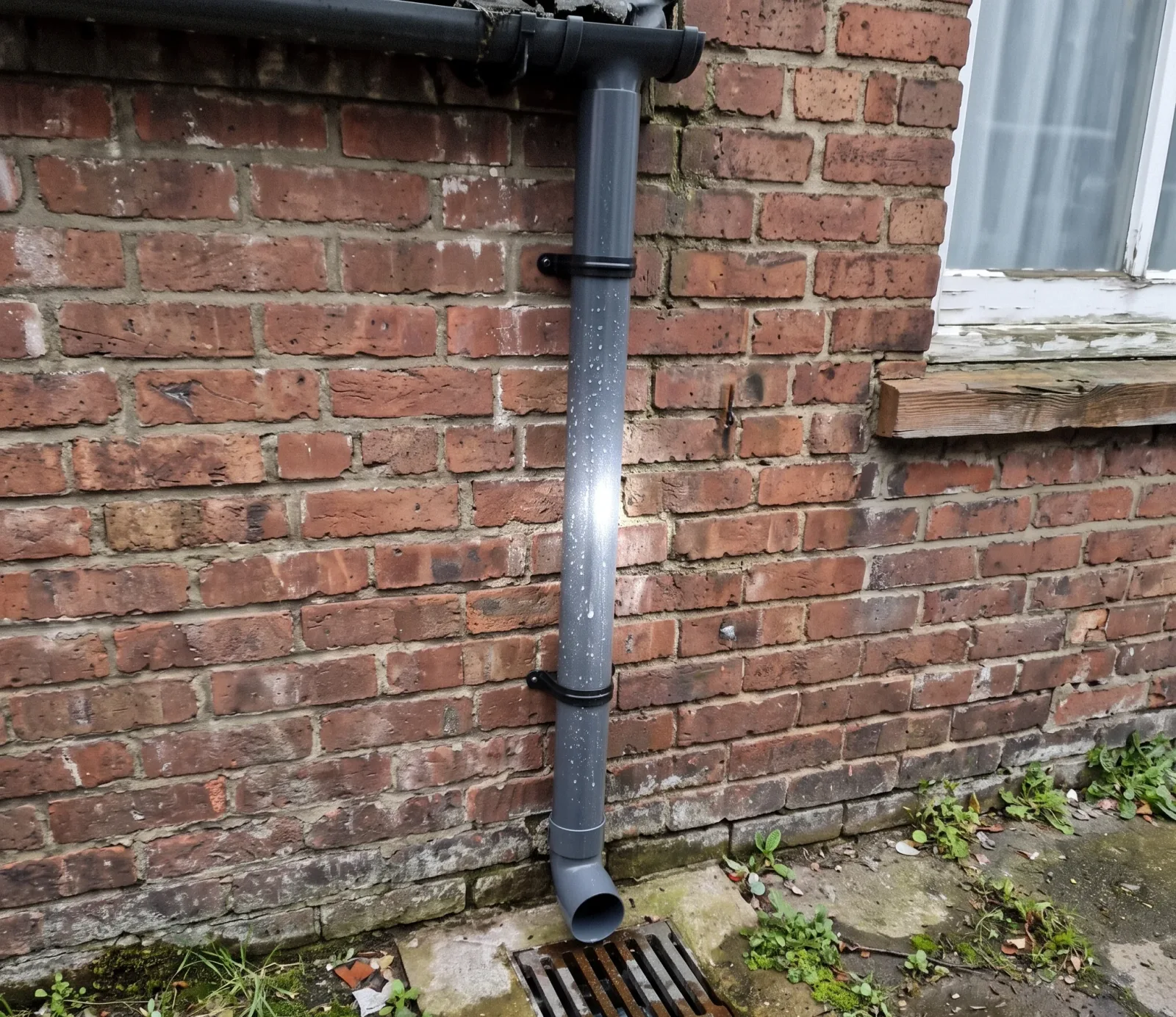
Start at the roofline. Clogged gutters near Papago Park or anywhere under mature trees push water over the edge instead of away from the slab. Check for sagging sections, loose brackets, and downspouts that dump water right against the foundation instead of a few feet out. A five-minute look now beats a flooded garage during a July storm.
Roof Inspection And Flashing
Flat and low-slope roofs, common across Tempe from Maple Ash to Escalante, hide small problems until a monsoon downpour finds them. Look for cracked flashing around vents, loose or missing shingles on pitched sections, and caulk or sealant that's dried out and pulled away from seams. A roof leak rarely announces itself until water is already dripping through drywall.
Grading Around The Foundation
Caliche and hardpan soil under most Tempe yards don't drain fast, so grading matters more here than in places with looser ground. Walk the perimeter and check that soil slopes away from the slab, not toward it. Low spots near a patio or a flood-irrigation line can hold water against the foundation for hours after a storm, long enough to wick moisture into the slab.
Testing The Sump Pump
Not every Tempe property has a sump pump, but if a garage, patio drain, or low-lying yard near Kiwanis Park relies on one, test it before the season starts. Pour a bucket of water into the basin and watch it kick on and clear the water. A pump that's sat idle since last September can fail silently, and you won't know until a storm proves it.
Checking The Water Heater's Age
Water heaters don't send a warning before they split. Check the manufacture date on the label near the top, and if it's pushing 10 to 12 years, plan a swap before monsoon season instead of after a garage floods on Warner Ranch or near The Lakes. Look for rust streaks or crusty buildup around the fittings too. While you're at it, flex the supply lines under the washer and dishwasher — rubber hoses crack quietly, and braided steel lasts longer.
Supply Lines To Appliances
Behind the washing machine, under the kitchen sink, and at the back of the refrigerator's ice maker, rubber supply lines age faster than most homeowners expect. Look for bulging, cracking, or a line that feels stiff instead of flexible. These fittings rarely get a second glance until one fails, and a burst line behind an appliance can run for hours before anyone near Alegre Park or Riverside notices.
Finding The Main Shutoff
Every household member should know where the main water shutoff sits before a monsoon storm knocks out power or a supply line gives way. In most Tempe homes it's near the front hose bib or in the garage, close to where the line enters from the street. Walk it once, turn it by hand, and confirm it isn't corroded shut before you actually need it.
Weather Stripping And Window Seals
Wind-driven rain during a monsoon cell doesn't need an open window to get in. Worn weather stripping and cracked window seals let water push past a frame during the kind of sideways rain the October 2025 microburst brought through Tempe. Run a hand along the seals on west- and south-facing windows, where storms typically hit hardest, and replace anything that's brittle or gapped.
Downspout Drainage Away From Slab
Where downspouts empty matters as much as whether gutters are clear. A downspout that ends two feet from the house, common on older lots near University Heights or Holdeman, just relocates the same puddle problem to the foundation's edge. Extensions that carry water five or six feet out, away from the slab, make a real difference once caliche soil is already holding onto the last storm's rain.
A Simple Room-By-Room Pass
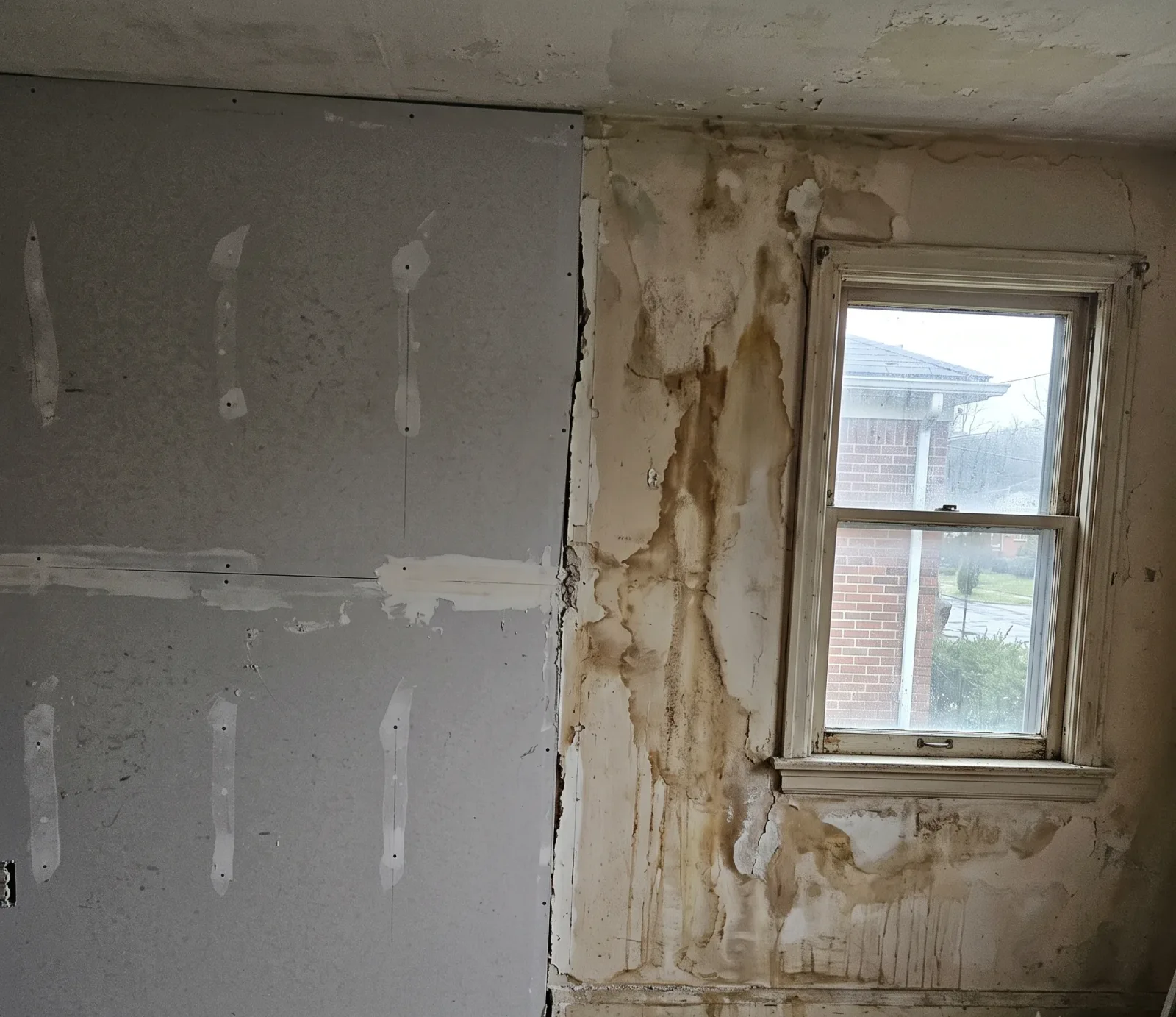
Inside the house, a slow walk through each room before storm season catches what a glance misses: a faint water stain near a ceiling seam, a soft spot in flooring near an exterior wall, or a musty smell in a closet that shares a wall with the water heater. None of these mean disaster yet, but each one is worth writing down and checking again after the first real monsoon rain hits.
Putting The Walk On A Calendar
None of this takes more than an hour, and doing it once a year, right before monsoon season builds over the Salt River Valley, catches most of what turns into a bigger repair later. Mark it on a calendar the way you'd mark an oil change. A homeowner near Tempe Town Lake or out toward Warner Ranch who does this walk every June rarely gets surprised in July.
Dealing with this in your home?
A rental near Apache Boulevard can run fine through the summer, then take on water when a flood irrigation gate off Warner Road stays open too long. Tempe's caliche layer barely drains, so water pools against the slab foundation and finds the door faster than an ASU student expects.