Selling a home in Tempe after a leak or monsoon roof intrusion raises one plain question: does the past count as something buyers must be told? Arizona law leans on disclosure rather than silence, and a seller who knew about standing water in a Warner Ranch kitchen or a slab moisture problem near Kiwanis Park cannot simply let a fresh coat of paint speak for the house.
The Disclosure Form Itself
Arizona real estate transactions typically involve a seller disclosure form where the seller lists known facts about the property's condition. Prior water damage, even if repaired, generally counts as property history a buyer would want before closing. A slab foundation home in Tempe that had a water heater failure or monsoon leak years ago still had that event happen, and the disclosure form is where that fact usually belongs.
What Counts As Material
Buyers weighing a home near Escalante or Riverside lean on their own inspection report to confirm what the seller disclosed, and gaps between the two raise questions fast. If a prior leak near Tempe Town Lake got fixed properly, say so plainly; if mold history exists, note the extent and the response. Vague answers invite doubt, and doubt slows a closing more than an honest paragraph would.
Latent Defects Explained
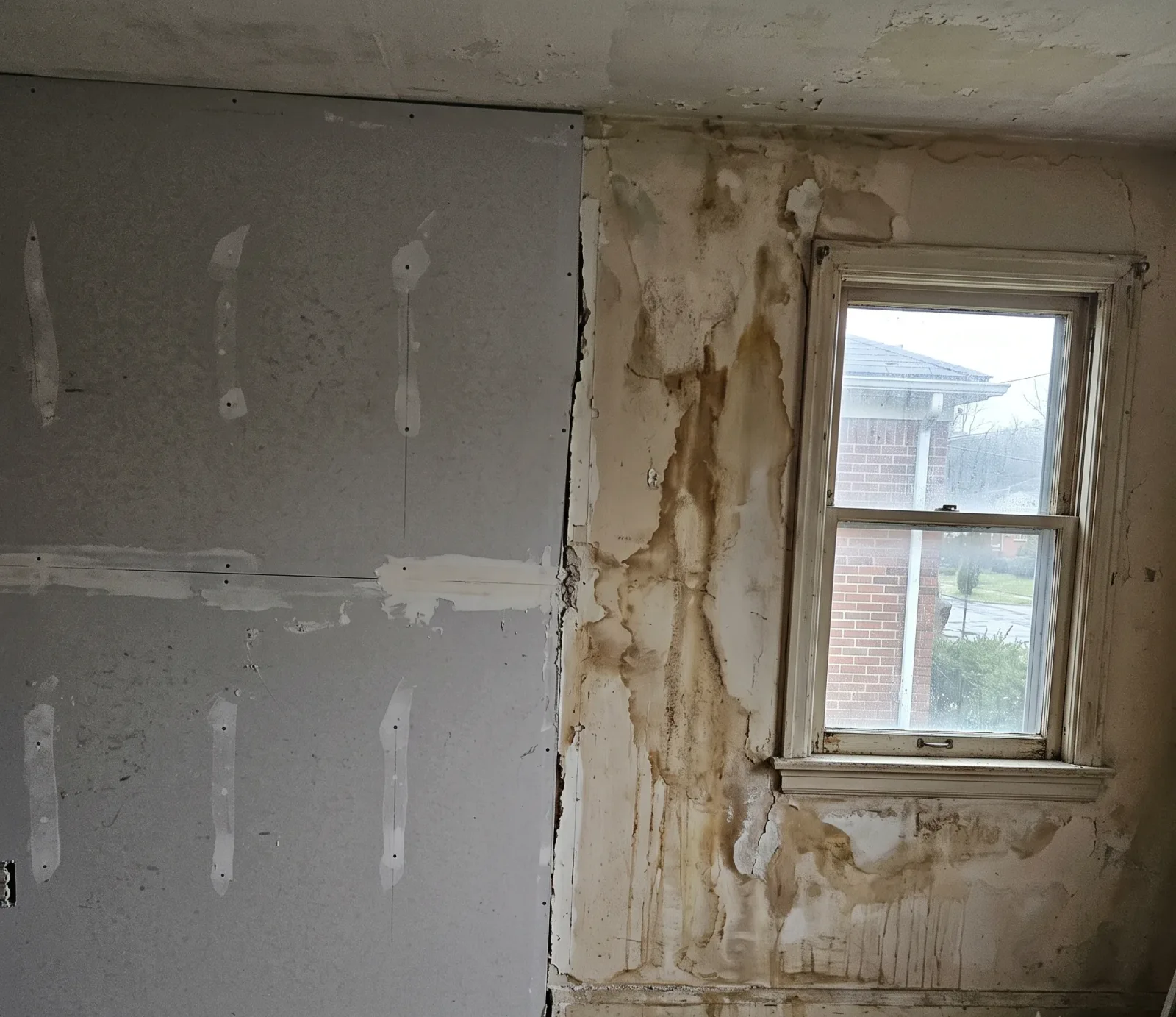
A latent defect is a problem not visible during an ordinary walk-through, something a buyer touring a home in Riverside or University Heights couldn't reasonably spot on their own. Water damage hidden behind drywall or under flooring often falls into this category. Sellers who know about a latent defect generally cannot rely on a buyer's inspection to catch what they already know exists.
Mold History Is Separate
Mold history tied to a prior water event is its own disclosure concern, separate from the water damage itself. A home in The Lakes or Maple Ash that had a leak and later showed mold growth carries two related but distinct facts. Both belong on the disclosure form if known, even if the mold was treated and the area looks clean today.
What Inspection Catches Later
A buyer inspection happens after an offer is accepted, and it exists to catch what the seller's disclosure might have missed, not to replace it. An inspector walking a home near Kiwanis Park or Clark Park may find slab moisture or staining that reopens a conversation about damage the seller already knew about but didn't list.
As-Is Doesn't Erase Disclosure
An as-is sale doesn't remove the seller's disclosure obligation. Selling a Tempe property as-is generally shifts repair responsibility to the buyer, but it doesn't excuse a seller from stating known facts about prior water damage or mold history. As-is language addresses who fixes a problem, not whether the problem has to be named first.
Misrepresentation Versus Omission
Misrepresentation is different from simply forgetting a detail. It generally means a seller knew about prior water damage and either denied it or answered the disclosure form in a way that concealed it. A buyer near Papago Park or Kiwanis Lake who later discovers hidden water damage may look at what the seller actually knew at the time.
Timing Before Closing Matters
Timing matters in a real estate transaction. Disclosure obligations typically apply before closing, giving the buyer a chance to weigh prior water damage or mold history against the price and terms. A seller near Hayden Ferry Lakeside or Tempe Town Lake who waits until after closing to mention a known issue has usually missed the point of disclosure entirely.
Repaired Damage Still Counts
Repaired water damage doesn't erase itself from property history. A home in Alegre Community or Warner Ranch Estates that had a monsoon-related roof leak fixed years ago still had that event occur, and the repair itself is often worth noting alongside the original damage on the disclosure form.
Keep Your Inspection Report
An inspection report from a prior sale, if the current seller has one, can document past water damage in detail. Keeping that report, along with any repair records from a home near Rural Road or Dorsey Lane, gives a seller something concrete to reference when filling out a current disclosure form rather than relying on memory alone.
Treat History As Property History
None of this replaces advice from a real estate professional or attorney familiar with Arizona disclosure practices for a specific transaction. What matters for a Tempe seller is treating prior water damage and mold history as property history that belongs on the table before closing, not a detail to manage around.
Dealing with this in your home?
A rental near Apache Boulevard can run fine through the summer, then take on water when a flood irrigation gate off Warner Road stays open too long. Tempe's caliche layer barely drains, so water pools against the slab foundation and finds the door faster than an ASU student expects.