A homeowner in Tempe who just shut off a burst supply line usually has one question once the water stops: what happens next. The first hour after a crew reaches a house on the Loop 202 corridor or a rental south of ASU is mostly looking and listening, not running machines. A technician walks the rooms, checks how far water traveled, and starts building a plan before touching a single fan.
The Moisture Mapping Step
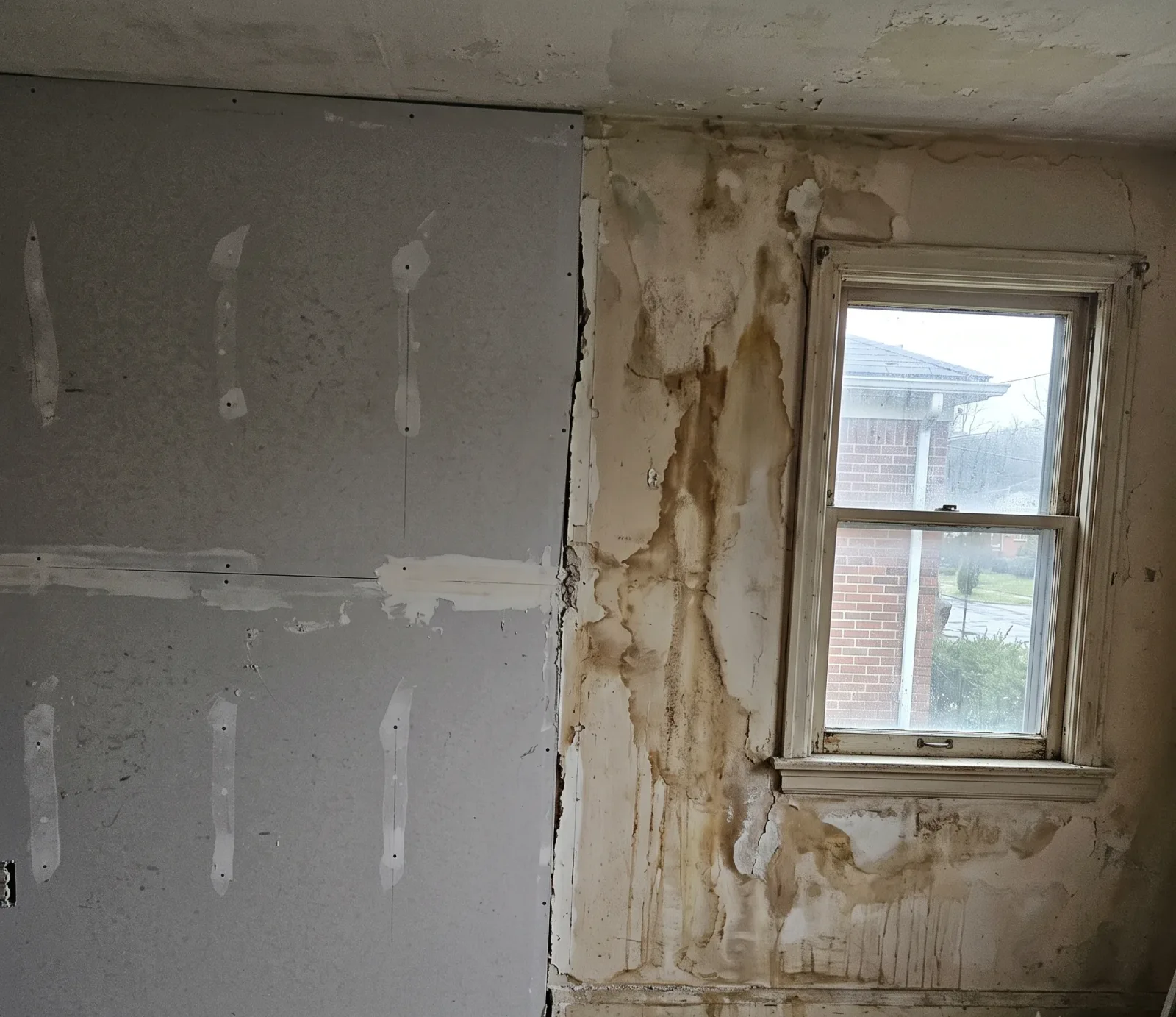
Moisture mapping is a technician moving a meter across drywall, flooring, and slab surfaces to find water that isn't visible yet. In a slab-on-grade home common across Tempe, water can wick sideways along the concrete far past the wet carpet a homeowner already noticed. The readings get logged, not guessed at, and they become the baseline for judging whether drying is working days later.
Turning It Into A Scope Of Work
Once moisture readings are in hand, the technician writes a scope of work: what gets pulled out, what gets dried in place, what likely needs replacing. This isn't a sales pitch dressed up as paperwork. It's the document an insurance adjuster, if one is involved, will want to see, and it's the same document the homeowner should ask to read before anything gets touched.
Where Equipment Actually Goes
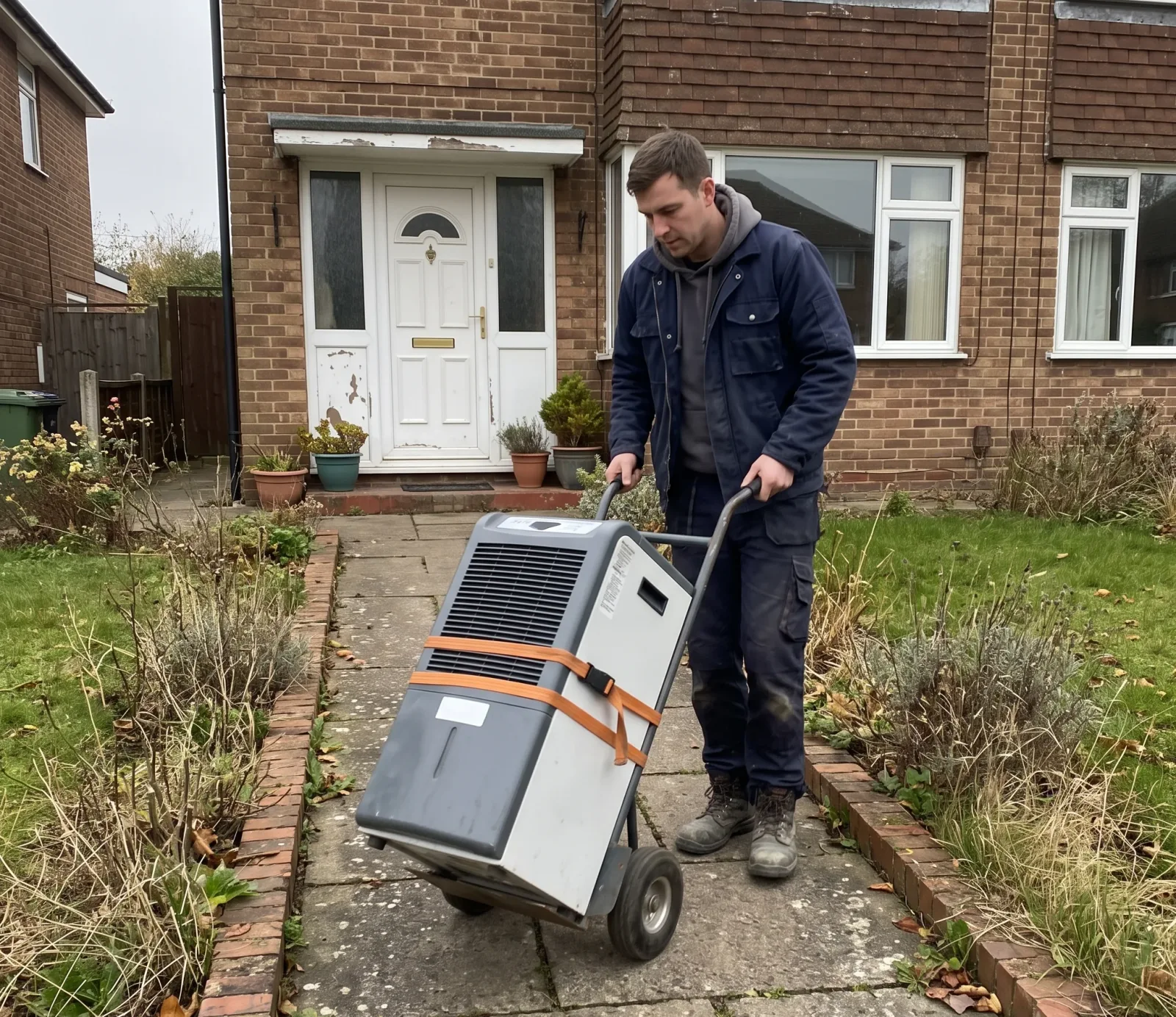
Equipment placement follows the moisture map, not the other way around. Air movers get positioned to push air across wet surfaces, not just into open floor space, and a dehumidifier gets sized to the room, not dropped in at random. A homeowner near Kiwanis Park or Escalante watching this happen should notice the placement changes room to room, because the damage isn't uniform.
When Containment Gets Built
A moisture reading only means something once it's tied to a spot on the map of the house. A technician working a Maple Ash bungalow will note the reading by room and by material, drywall versus baseboard versus slab, so the drying plan targets what's actually damp instead of guessing. That written record also becomes the backbone of the insurance coordination later, since adjusters want numbers, not descriptions.
Building The Drying Plan
The drying plan sets a target: how many days of equipment running, what moisture level counts as dry, and when the next check happens. It isn't a fixed number pulled from a chart. A Tempe home dealing with monsoon rain that got past a roof is dried on a different timeline than one hit by an overflowing water heater, and the plan should say why.
Who The Homeowner Talks To
Once fans and dehumidifiers are placed, they often stay put for two or three days, sometimes longer if a wall cavity near a slab foundation held onto moisture. A homeowner near Kiwanis Park or Papago Park might wonder why a dehumidifier keeps humming in an empty room; it's pulling moisture out of drywall and baseboards that look dry but aren't yet, based on the moisture readings the technician logged at setup.
Photos Before Anything Moves
Photo documentation happens before materials get removed and again as drying progresses. This protects the homeowner as much as anyone else, since it's the record of what the damage actually looked like on day one. Anyone near Hayden Ferry Lakeside or Maple Ash filing an insurance claim will want this timeline of photos, not just a final invoice.
How Insurance Gets Coordinated
Communication during this stretch usually comes through one point of contact rather than whoever happens to answer the phone. That person can explain the drying plan, give a rough timeline for when equipment comes out, and pass along updates if the scope of work changes, say after finding damage behind a cabinet near Mill Avenue that wasn't visible on day one.
What A Work Order Actually Locks In
The work order is the signed piece that turns the scope of work into something the homeowner has agreed to, including what's being done and roughly what it costs. It should match the walkthrough conversation, not introduce new line items nobody discussed. Reading it before signing, even under stress with water still on the floor, is worth the extra five minutes.
The Short Version
Strip away the steps and the order is simple: look first, measure second, write it down third, then bring in equipment sized to what was actually found. A Tempe homeowner who sees a crew skip straight to fans without a walkthrough or moisture readings first is watching a shortcut, not a faster fix.
Questions Worth Asking On Day One
None of this substitutes for asking the person standing in your living room to explain their own paperwork. A renter near ASU handed a work order with line items they don't recognize should ask what each one covers before signing anything. A homeowner in Warner Ranch Estates comparing quotes should ask why one scope of work lists more equipment placement than another before assuming either number is wrong.
Dealing with this in your home?
A rental near Apache Boulevard can run fine through the summer, then take on water when a flood irrigation gate off Warner Road stays open too long. Tempe's caliche layer barely drains, so water pools against the slab foundation and finds the door faster than an ASU student expects.