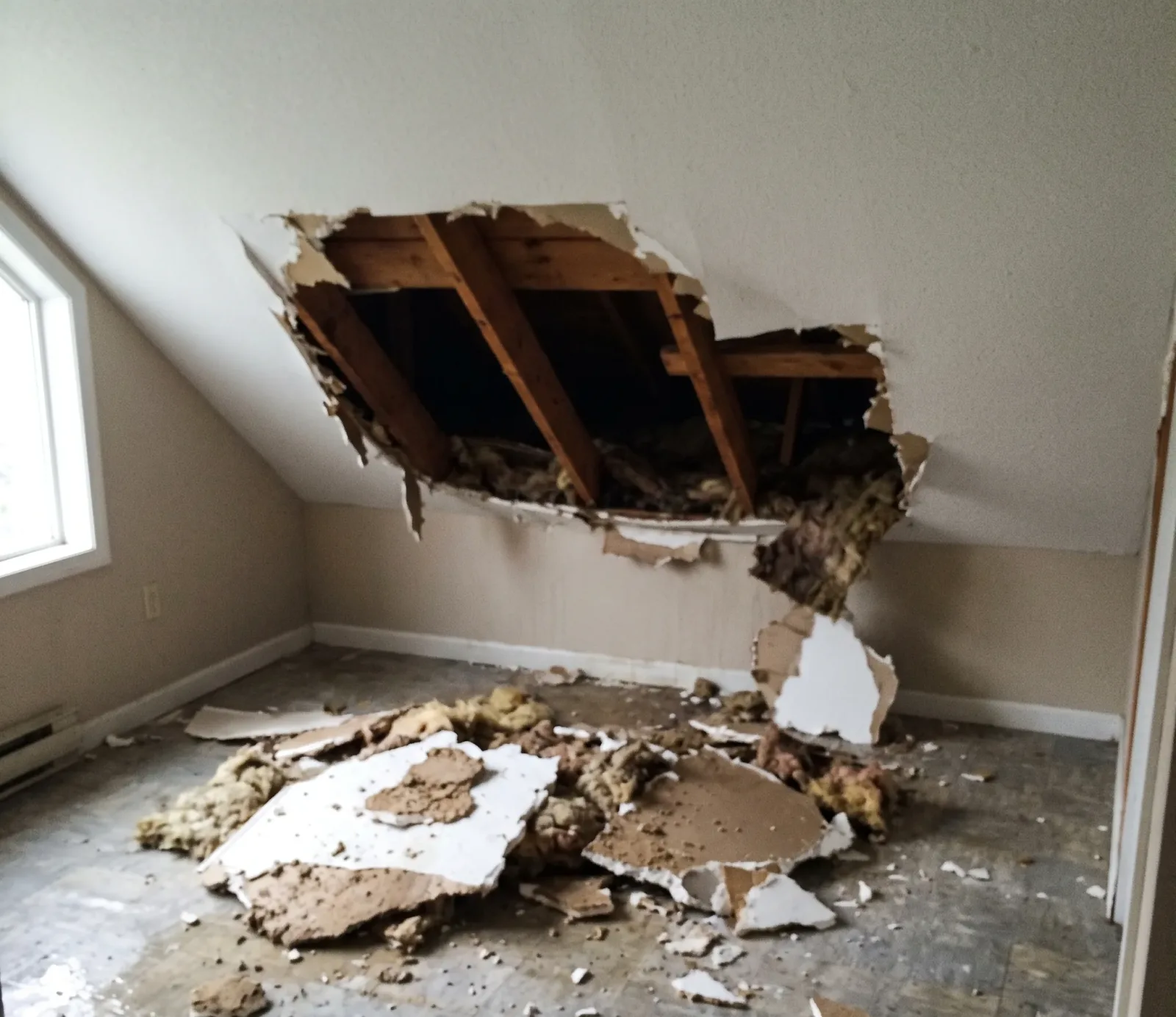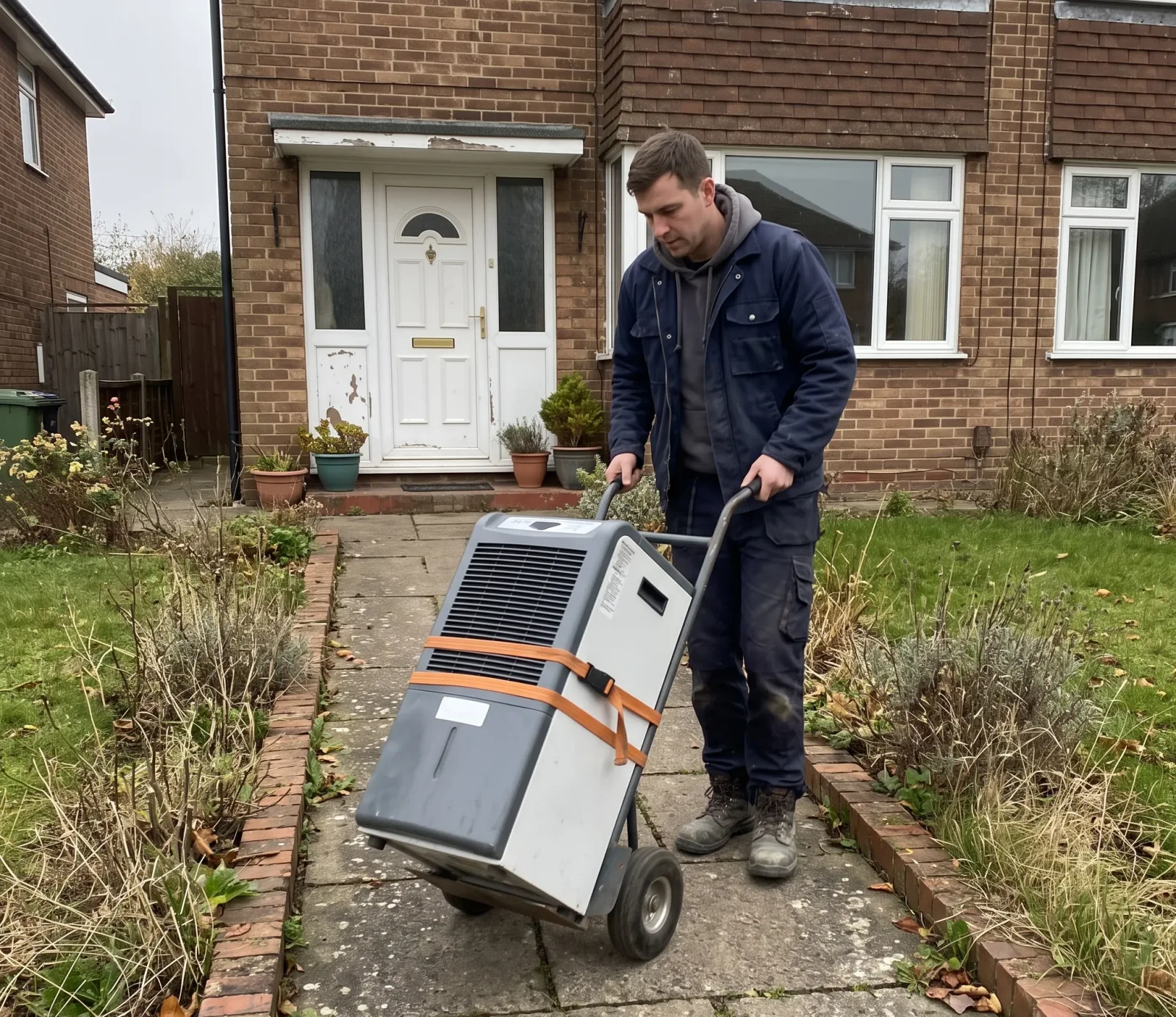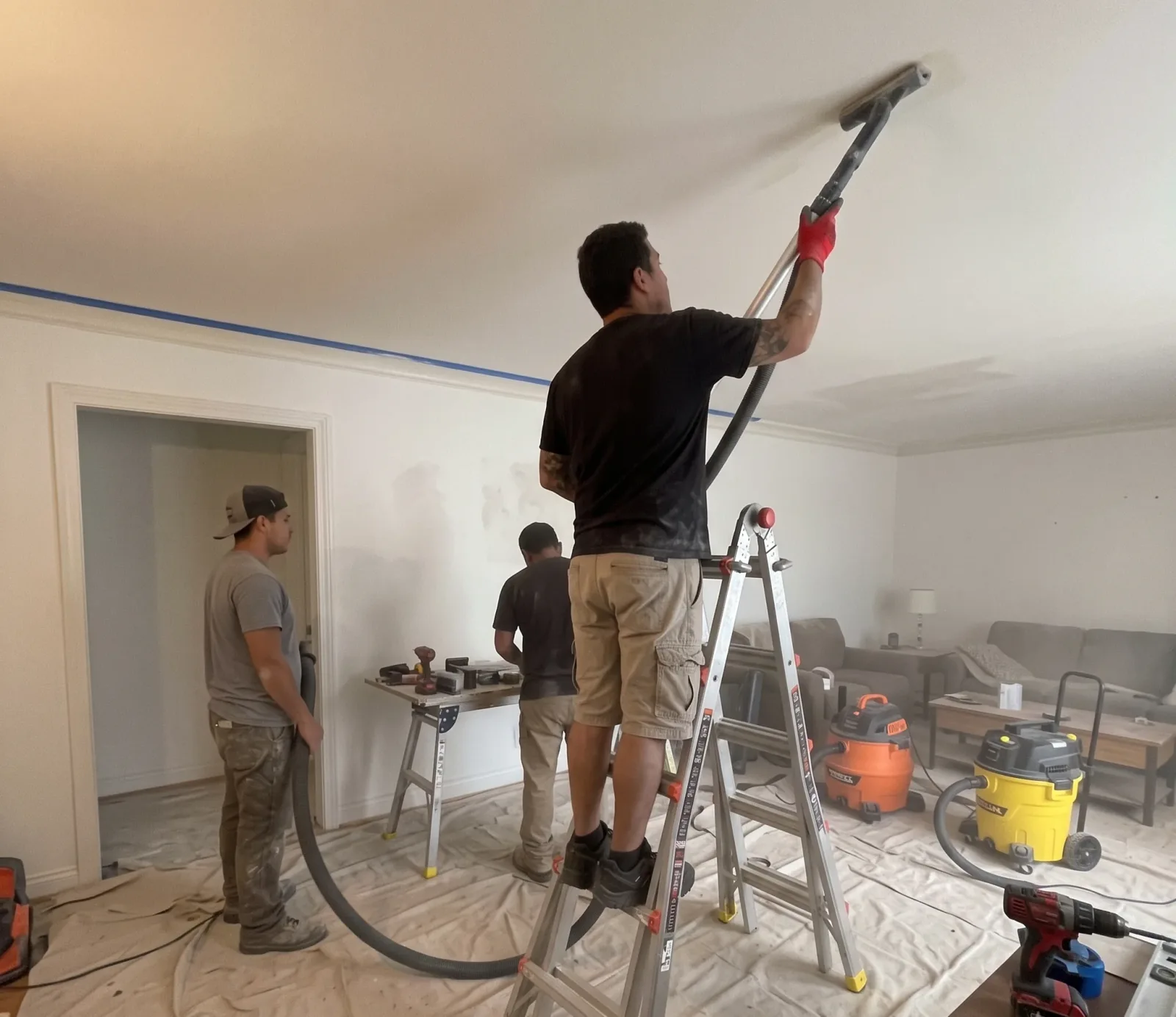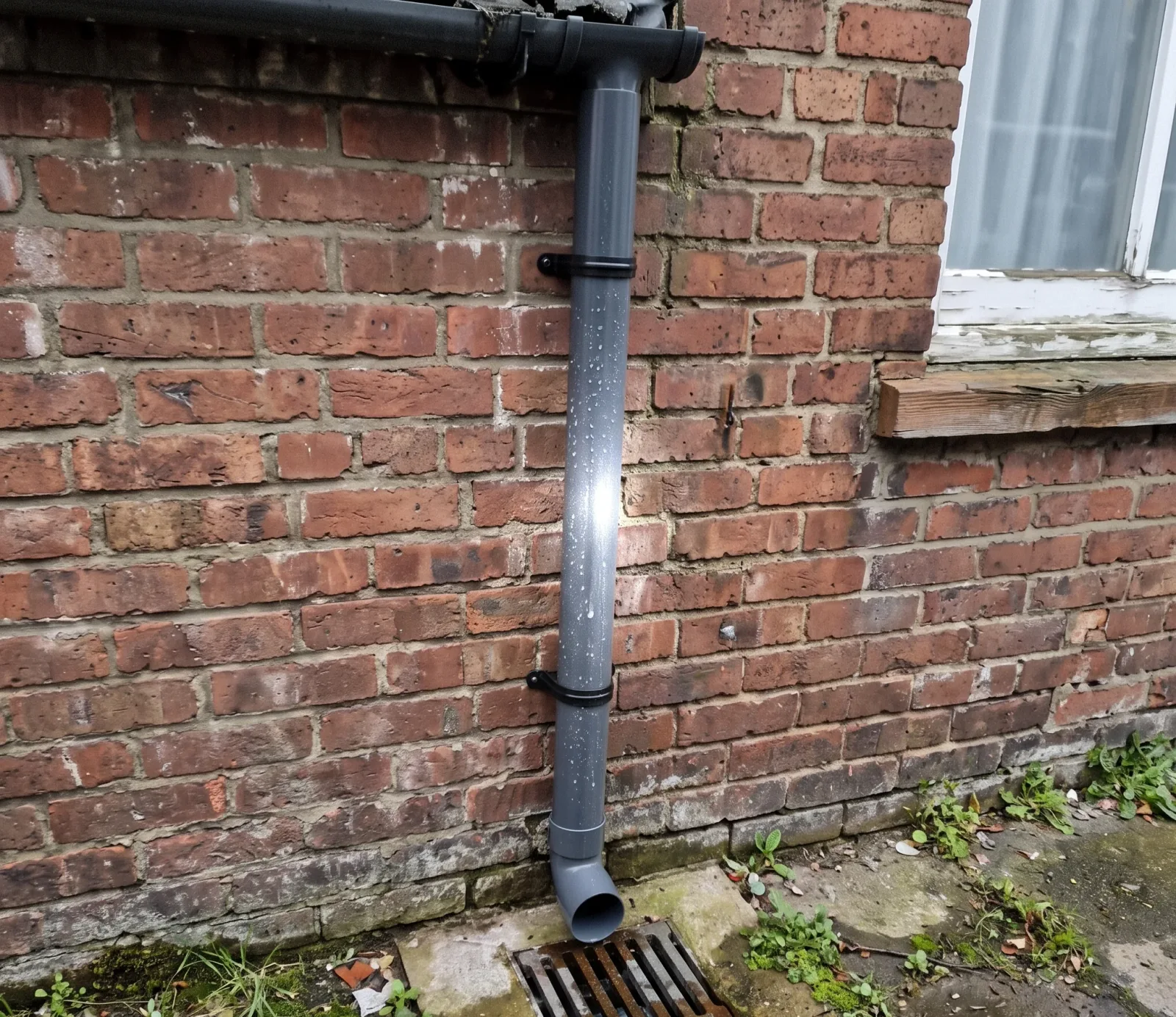
An AC unit in Tempe runs most months of the year, not just July through September, and every hour it runs, the evaporator coil sheds condensate into a drain pan that has to empty somewhere. That somewhere is a PVC line running to the outside or to a floor drain. When that line clogs, the pan backs up, and water finds drywall, flooring, or a closet ceiling below the unit long before anyone in the house notices.
What's Inside the Condensate Line
The condensate line is a small PVC pipe, often an inch or so across, carrying water away from the drain pan under the evaporator coil. Algae, dust, and a fine grit common in Tempe's dry air settle inside it over months of steady use. None of that debris needs a storm or a leak to build up. A unit running daily in August does the same slow damage a unit running occasionally in December does, just faster.
How a Clog Actually Shows Up
A clog rarely announces itself. The AC keeps cooling the house in Tempe right up until the pan overflows, because the blockage is downstream of the coil, not in the cooling process itself. Some units have a float switch or wet switch that shuts the system off once water rises too high in the pan, which prevents overflow but also means a dead AC on a 105-degree afternoon, discovered only once the house starts warming up.
A Realistic Twice-Yearly Baseline
Set a fixed check for the condensate line rather than waiting for a warning sign. Tempe homes run AC for most of the year, so the line carries moisture far longer than it would in a milder climate. A monthly walk-by, more often once triple digits hit, catches a slow clog before the float switch ever has to earn its keep.
Why Tempe's Climate Shortens It
Because units in Tempe run nearly year-round rather than seasonally, the maintenance schedule that makes sense elsewhere doesn't quite fit here. A climate with a real off-season lets algae and sediment settle without much water moving through the line for months. Here, the line rarely sits idle long enough to dry out between uses, so buildup accumulates on a shorter timeline, and the inspection interval should shrink to match that.
What a Drain Pan Tablet Does
Pair the schedule with two habits: pour a cup of vinegar down the line every few months, and swap the drain pan tablet on the same day so you don't lose track of either one. The evaporator coil sheds water constantly during a Tempe summer, and a line that isn't flushed on a routine eventually backs up into the pan regardless of what's dissolving in it.
Flushing the Line Yourself
Flushing the line is the other half of the routine. A cup of diluted vinegar poured into the access point near the coil, or a wet-dry vacuum pulled on the outside end of the PVC line, clears out early buildup before it hardens into a full clog. Either method takes a few minutes. Homeowners near ASU renting a unit with an aging AC system benefit the most from doing this on a fixed schedule rather than waiting for a problem.
Using a Vacuum the Right Way
A vacuum pulled on the line from outside, where the PVC pipe usually exits near the AC unit, pulls a clog toward the open end instead of pushing it deeper into the pan. This works well on a partial clog and is often what clears a slow drain before it becomes a stopped one. A shop vacuum with a rag sealing the fitting is usually enough; no special tool is required for this step.
Testing the Float Switch
A float switch or wet switch is worth testing on its own, separate from checking the line. Lifting the float by hand, or pouring a little water directly into the switch's chamber, should trigger the AC to shut off within a few seconds. If it doesn't shut off, the switch has failed, and the one thing standing between a clog and an overflow inside the house is no longer doing its job.
Where the AC Unit Sits Matters
The inspection interval matters more for a unit installed inside a closet or attic space above living areas than one set outside on a slab, since gravity does the rest of the damage once water starts backing up. A Tempe home with the air handler in a hallway closet near bedrooms should check that drain pan every month or two during summer, not just twice a year, given how much water an AC pulls out of the air on a 100-degree day.
What This Schedule Doesn't Fix
None of this maintenance schedule addresses what to do once water has already gotten past the pan and into drywall or flooring. That's a different problem, with its own drying timeline and equipment, and checking a drain line after the fact won't undo damage that already soaked into a baseboard near Mill Avenue or a rental off Apache Boulevard. This page is about preventing that point from being reached.
What This Guide Doesn't Cover
This also isn't a guide to diagnosing why a specific AC unit is leaking right now, since that calls for tracing the actual cause rather than following a routine. A homeowner near Kiwanis Park checking a pan on a set schedule and a homeowner near Papago Park troubleshooting an active leak are doing two different tasks, and mixing them up wastes time when water is already spreading.
Dealing with this in your home?
A rental near Apache Boulevard can run fine through the summer, then take on water when a flood irrigation gate off Warner Road stays open too long. Tempe's caliche layer barely drains, so water pools against the slab foundation and finds the door faster than an ASU student expects.