Tempe's low-slope roofs don't fail from one storm, they fail from water that sits too long after every storm. A roof with no pitch relies on drains and slight slope to move water off before the sun bakes it into the membrane. When that flow gets blocked, the damage shows up months later as a soft spot or a stain on a ceiling near Rio Salado Parkway or anywhere else in town.
Where Ponding Actually Starts
Ponding starts at the low points builders leave on purpose, usually near a drain or scupper, and it gets worse when granules, mesquite leaves, or dust from a haboob settle into that low spot first. A roof built flat isn't perfectly flat; it has a slight slope toward drains. Once debris sits in that slope, water backs up behind it instead of draining, and the pool grows with the next monsoon storm.
Spotting A Bad Seam From Below
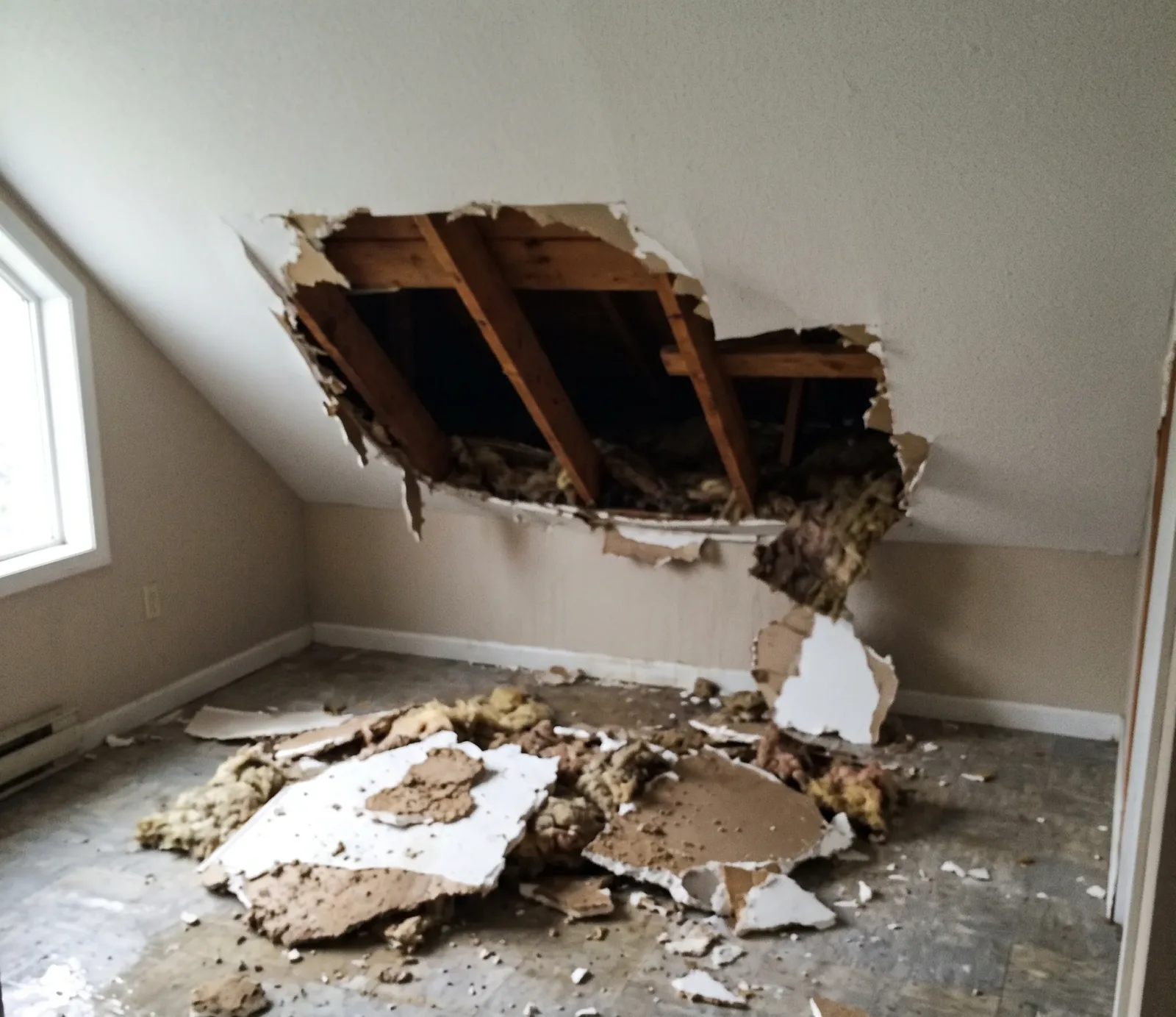
A failing membrane seam rarely announces itself on the roof. Inside, it shows as a brown ring on the ceiling tile or drywall, often a few feet from an exterior wall rather than dead center in a room. If that ring grows after a monsoon storm but stays the same size on dry weeks, the seam above it is the likely source, not a plumbing line running through the attic space.
Clearing Drains And Scuppers
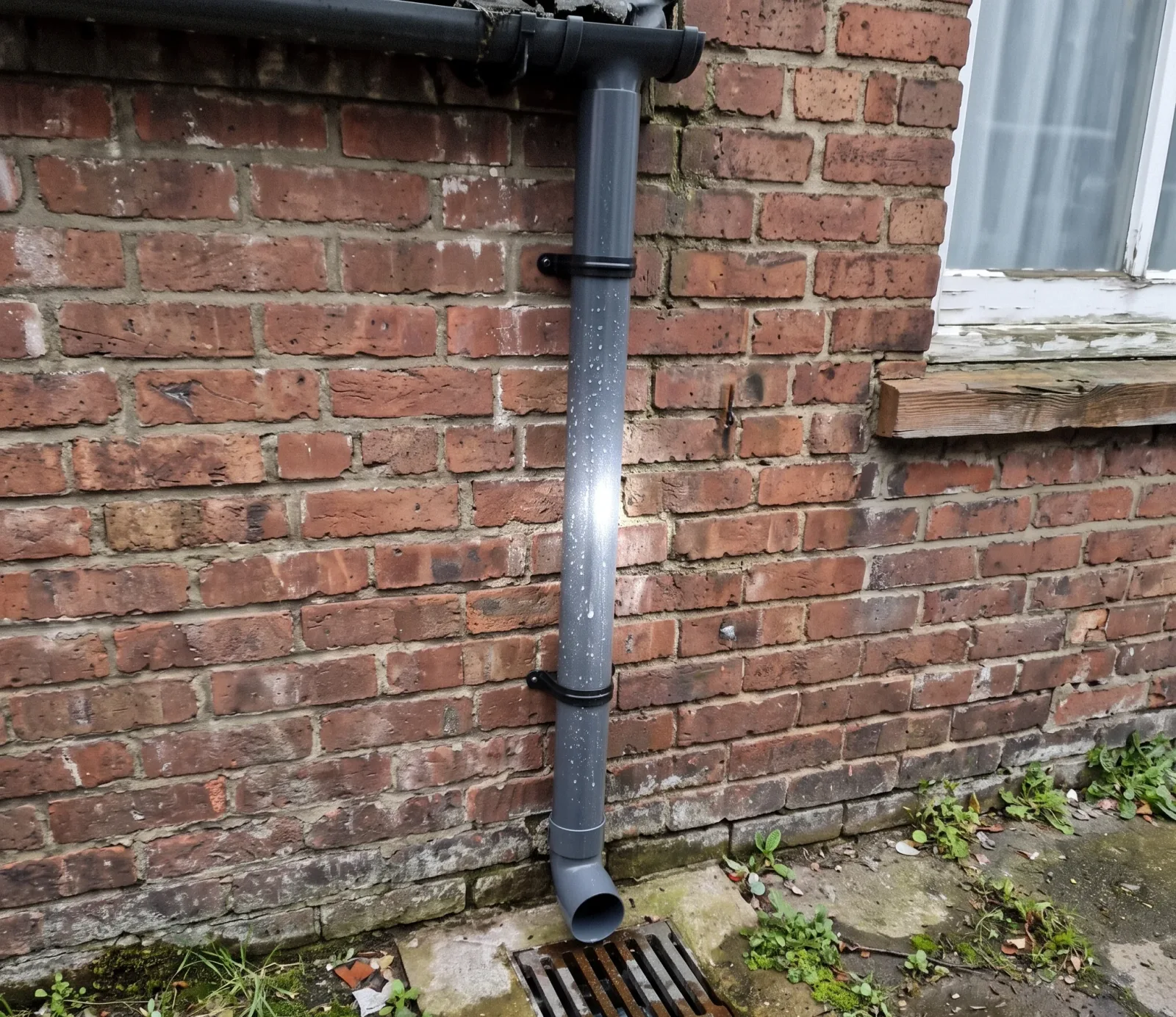
Drains pull water down through the roof deck; scuppers push it out sideways through the parapet wall. Both clog the same way, with leaves, roofing granules, and the fine dust that settles after a haboob rolling through the East Valley. Clearing them means pulling debris out of the drain bowl or scupper opening by hand, not just rinsing the surface, since packed grit can sit below what a hose reaches.
Why Timing Matters Before Monsoon
Set a twice-yearly check before monsoon season starts in July and again once it ends in September. Walk the roof edge, check every drain and scupper for leaves and grit, and note any spot where water sits more than two days after a storm. That two-day mark on a low-slope roof over Tempe is worth writing down and watching each visit.
A Twice-A-Year Inspection Baseline
For most flat roofs around Tempe, twice a year covers it: once in late spring before monsoon season and once in early fall after it passes. That second check catches whatever debris the storms pushed into drains and any seam that took wind-driven rain straight on. A roof over a garage or patio addition often needs the same schedule, not a lighter one.
Roofs That Need Closer Watching
Some roofs need a shorter interval than twice a year. A membrane already past fifteen or twenty years, a roof under a large tree near Papago Park or Kiwanis Park, or one that took visible wind damage in the October 2025 microburst all warrant a check every few months instead of every six. Age and exposure both shorten how long a membrane holds up between inspections.
Signs That Mean Check It Now
A few signs shouldn't wait for the next scheduled check. Standing water still visible on the roof two full days after a storm, a ceiling stain that appeared overnight, or a scupper opening that looks packed with debris from the street all mean it's worth a look right away. Waiting for the calendar date on these can turn a small fix into a bigger repair.
What A Rooftop Walk Should Cover
A useful inspection walk covers three things: every drain and scupper opening, every visible seam where membrane sheets meet, and any low spot holding water at the time of the visit. Checking from the ground with binoculars can catch obvious ponding, but seam condition and drain clogs generally need someone actually on the roof looking closely at each one.
Rentals Near ASU And Who Checks
In rental housing near Arizona State University, a flat roof over a converted garage or an older duplex often goes unchecked because no one living there owns the building. Whoever manages the property is usually the one responsible for that inspection, and a tenant noticing a ceiling stain should report it rather than wait, since the source is above a ceiling they can't reach themselves.
Why Caliche Soil Adds Pressure
Caliche and hardpan soil under most Tempe lots don't drain quickly, so water that overflows a clogged scupper and runs down an exterior wall doesn't soak away fast either. It can sit against the foundation longer than it would in looser soil elsewhere. That's a separate problem from the roof itself, but it's part of why keeping roof drainage clear matters beyond just the membrane.
Keeping This To A Simple Habit
None of this requires special tools, just a set time on the calendar and a few minutes walking the roof edge and checking each drain. A homeowner near Mill Avenue or out toward Warner Ranch can do the visual check themselves; anything involving a seam that already looks lifted or cracked is worth having a closer look from someone who works on roofs regularly.
Dealing with this in your home?
A rental near Apache Boulevard can run fine through the summer, then take on water when a flood irrigation gate off Warner Road stays open too long. Tempe's caliche layer barely drains, so water pools against the slab foundation and finds the door faster than an ASU student expects.