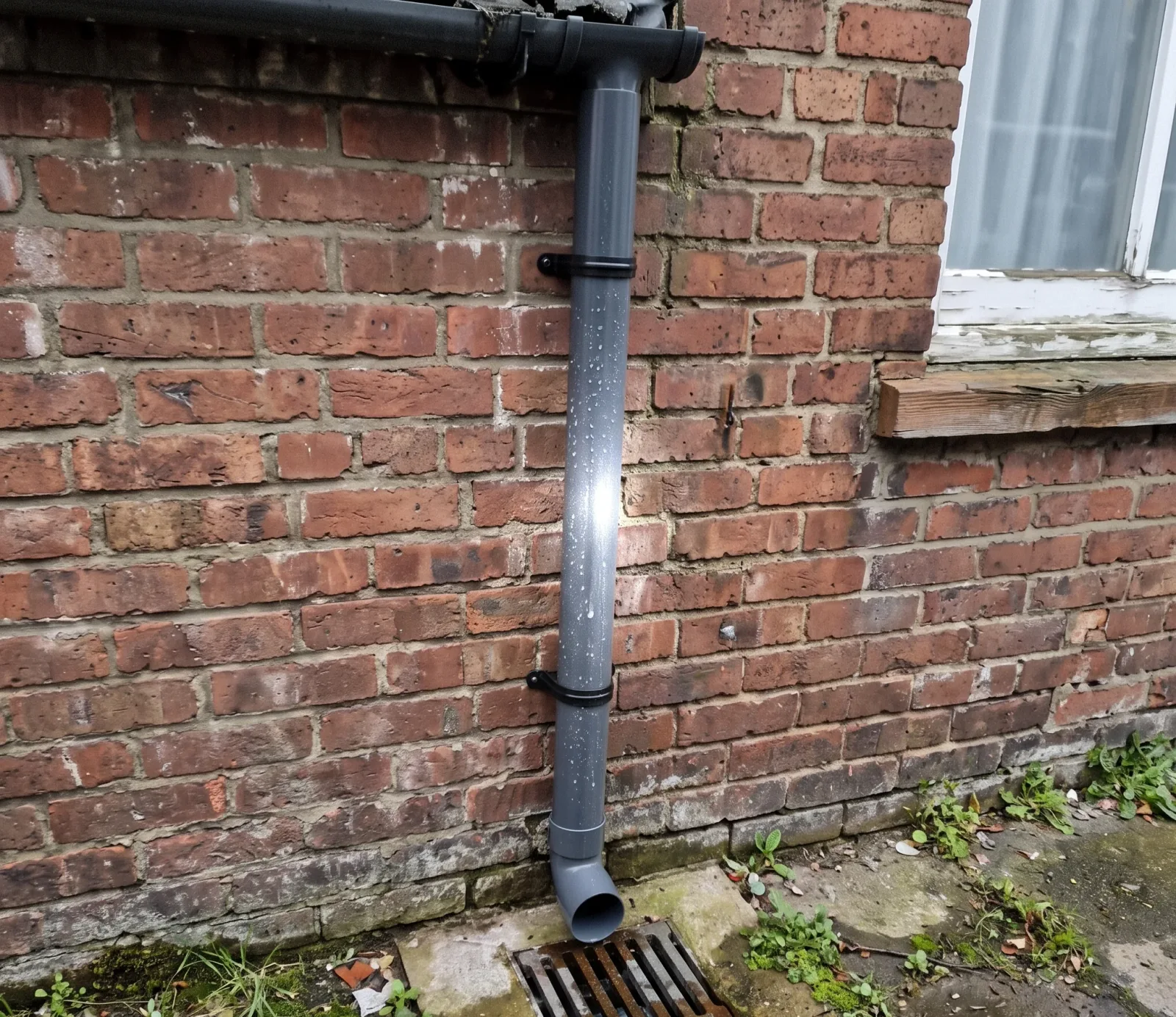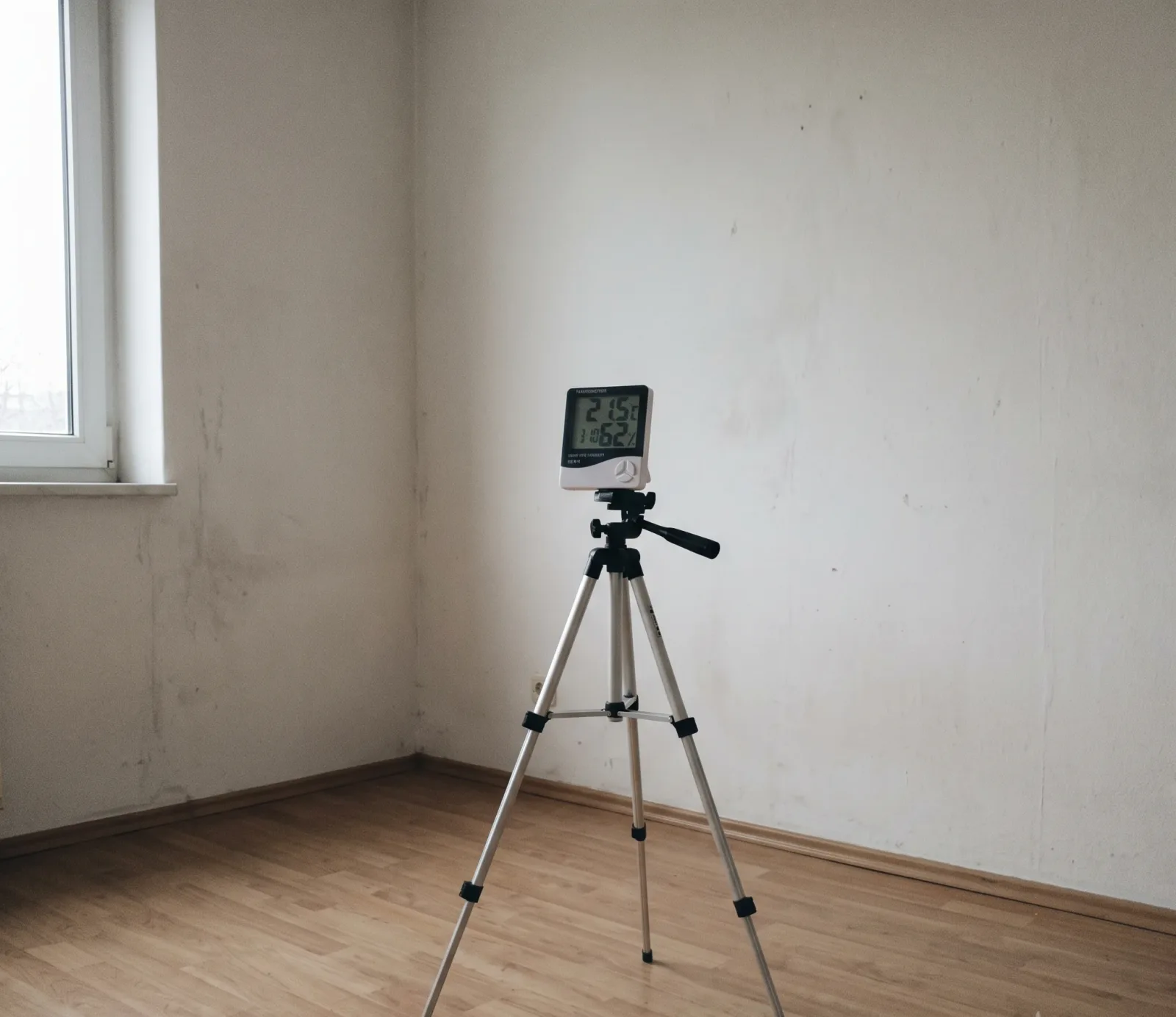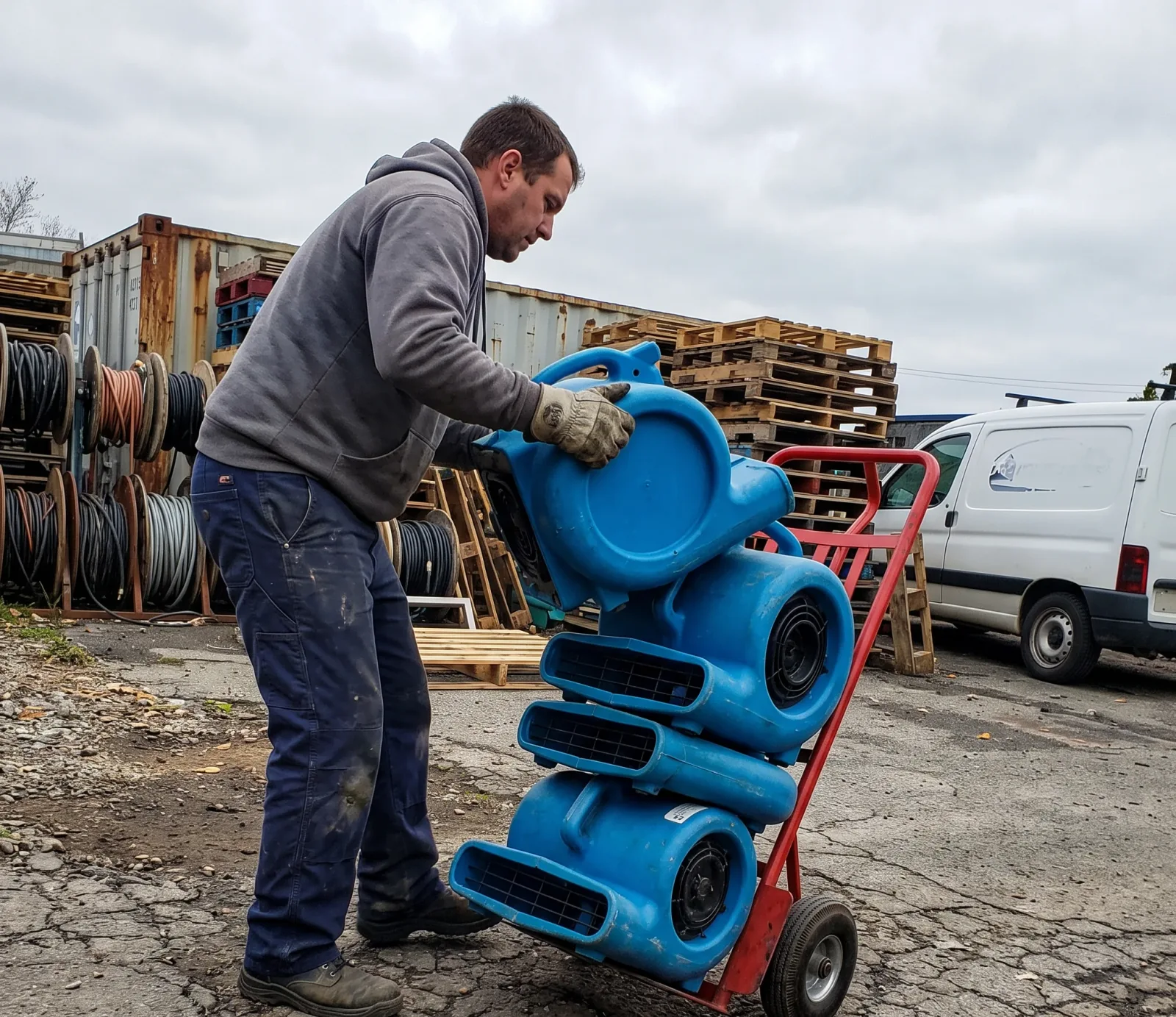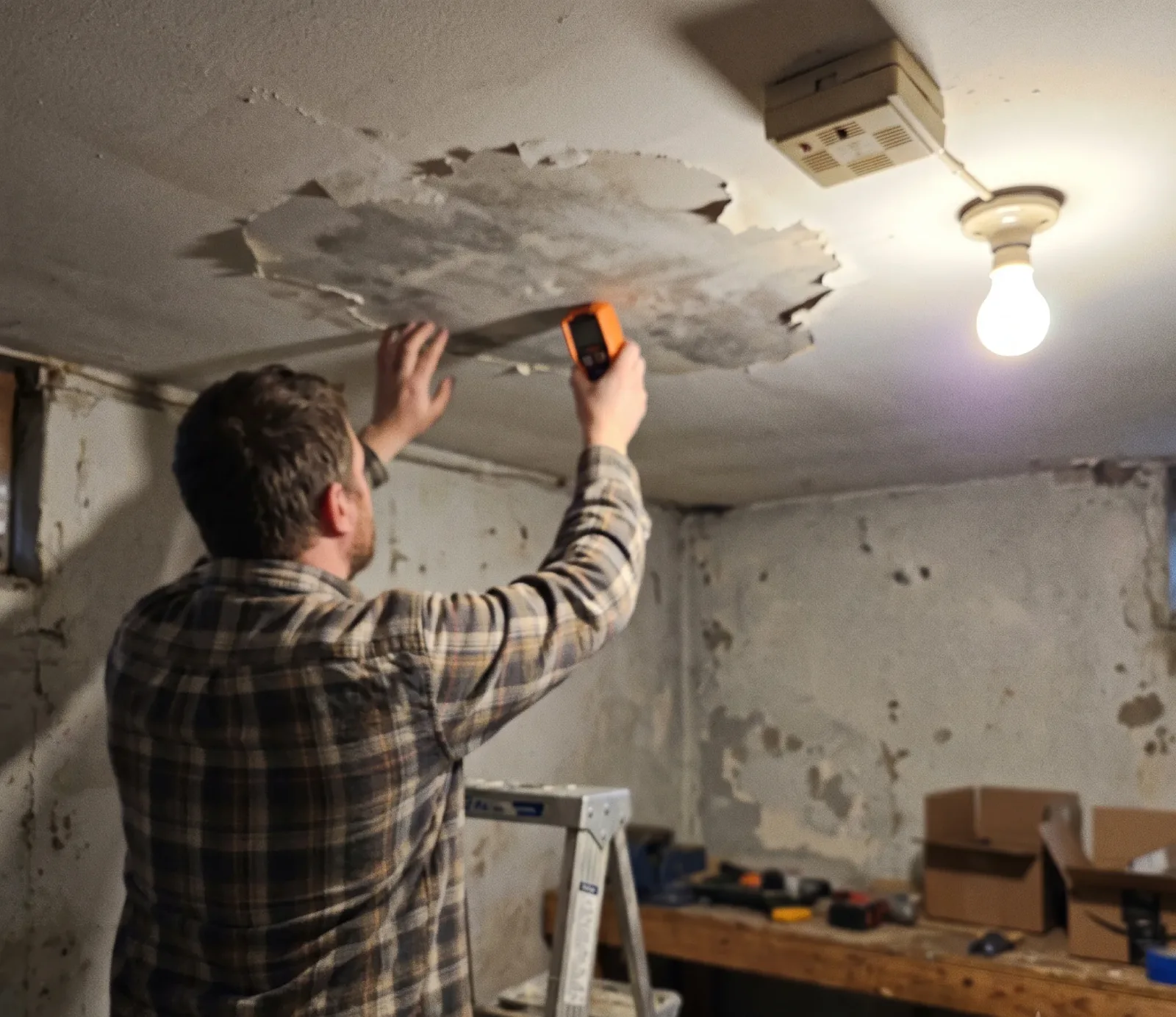
A stain on a Tempe ceiling or a soft spot near the baseboard only shows where water already surfaced, not where it traveled. Slab foundations across the city mean moisture often wicks sideways through drywall and cabinetry base rather than dropping straight down. An infrared camera reads temperature differences across a wall or floor, giving a restoration crew a moisture profile before anyone cuts into a single panel.
What Infrared Actually Reads
Infrared cameras don't see water directly. They read a thermal signature, the surface temperature of drywall, tile, or baseboard, and translate it into a color image. Wet material holds heat differently than dry material next to it, so a cool spot on the screen usually marks where evaporation is pulling energy out of a wall cavity. That temperature differential is the whole trick behind the tool.
Why A Cool Spot Isn't Proof
A cool patch on the thermal signature doesn't always mean water. Tile floors near Mill Avenue rentals hold cooler temperatures just from ceramic mass, and a supply line inside a wall cavity can mimic subsurface moisture even when dry. The camera reads temperature differential only, so a moisture meter has to confirm what the heat signature suggests before anyone treats a cool spot as a real find near ASU housing.
Reading The Camera The Right Way
Emissivity, how much infrared energy a surface gives off, changes by material. Painted drywall, ceramic tile near a Mill Avenue condo kitchen, and bare concrete slab don't radiate heat the same way, so the same moisture level can look different from surface to surface. A tech who understands emissivity reads the pattern instead of chasing every dark patch on the screen as if it means the same thing everywhere.
Where Water Actually Hides
Subsurface moisture from a monsoon roof leak or an overflowing water heater tends to spread along the path of least resistance, often behind baseboards or under flooring rather than straight up from where it landed. In a Warner Ranch or Lakes-area home built on a slab, that means water can travel several feet from the source before it ever shows on a wall. Thermal imaging maps that spread without opening anything up.
Why No Demolition Is Needed First
Before infrared cameras were standard, checking behind a wall meant cutting drywall on a guess and hoping the hole landed near the damage. A non-invasive inspection scans a whole room in minutes and narrows down where a cut actually needs to happen. For a rental near ASU or a house off Rural Road, that difference can mean one small patch instead of an entire wall torn out.
Roof Leaks And Thermal Scanning
Tempe's monsoon season brings wind-driven rain that can push water in through roof flashing or parapet edges on homes with low-slope roofs, and the entry point isn't always where the ceiling stain shows up. Water can run several feet along a rafter or ceiling joist before it drips through. A thermal scan along the ceiling plane traces that path back toward the actual leak instead of guessing from the stain alone.
Slab Floors And Hidden Dampness
Because nearly every home in Tempe sits on a concrete slab rather than over a basement, moisture that reaches the floor has nowhere to drop away. It sits against tile, laminate, or carpet backing near Warner Ranch and Escalante homes alike. Infrared can pick up the cooler thermal signature of a damp slab under flooring, flagging areas worth checking with a probe before flooring gets pulled up unnecessarily.
What A Camera Can Miss
Thermal imaging reads temperature, not moisture directly, so a wall that dried unevenly or a spot warmed by afternoon sun through a west-facing window near Tempe Town Lake can throw off a reading. Reflective surfaces and metal fixtures scatter infrared in ways that confuse an untrained eye. That's the case for pairing every scan with a moisture meter reading rather than trusting the color image by itself.
Why Speed Still Matters
The EPA's window for mold growth on wet material sits at 24 to 48 hours, and a faster, non-invasive inspection means drying can start sooner instead of waiting on a slower room-by-room search. In a Tempe rental near Apache Boulevard where a water heater failure went unnoticed overnight, finding the full spread of moisture quickly matters more than the technology used to find it.
What Homeowners Should Expect
A thermal scan of a Tempe living room or hallway usually takes a few minutes, and the tech should be able to explain what a cool spot on the screen does and doesn't confirm. Anyone watching the process should expect follow-up readings with a moisture meter, not just a color image handed over as the final answer. The camera narrows the search; it doesn't replace verifying the result.
Why This Step Comes First
None of this replaces drying equipment or repair work, but skipping the inspection step usually means guessing at where damage stops. For a Tempe home near Kiwanis Park or a condo off Rio Salado Parkway, a clear moisture profile up front means less demolition and a more accurate plan before any drying begins.
Dealing with this in your home?
A rental near Apache Boulevard can run fine through the summer, then take on water when a flood irrigation gate off Warner Road stays open too long. Tempe's caliche layer barely drains, so water pools against the slab foundation and finds the door faster than an ASU student expects.