Drying a wet room isn't just about pulling water off the floor. It's a race between how fast moisture leaves the material and how much moisture the surrounding air can accept. Relative humidity sets the finish line. In a dry desert climate, that line sits far away, which is normally an advantage. During monsoon season, though, outdoor humidity climbs, and that advantage shrinks fast.
Dew Point And Vapor Pressure
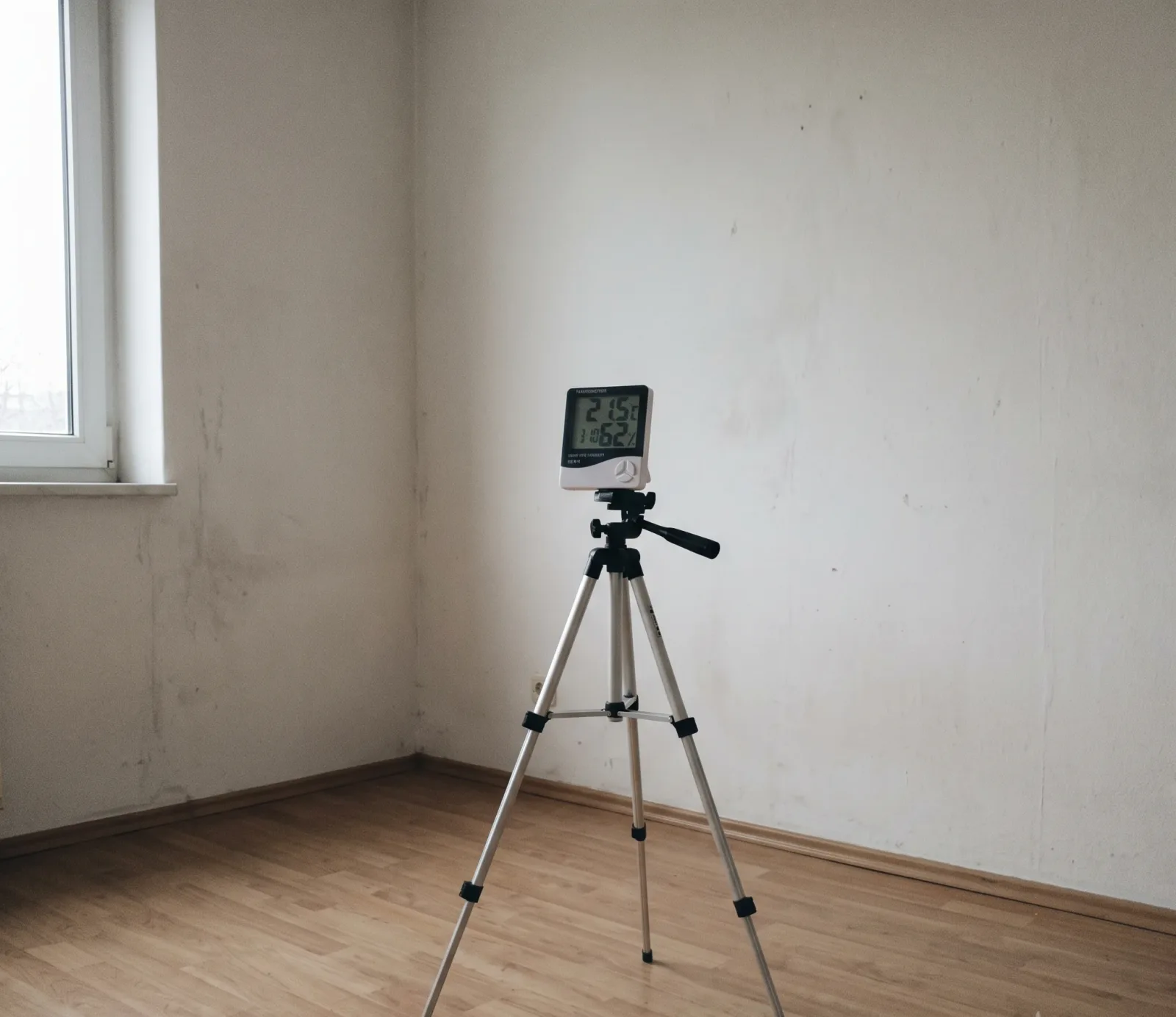
Dew point tells you the temperature at which air can't hold any more water vapor and starts giving it up as condensation. When outdoor air carries a higher dew point, as it does during a Tempe monsoon push, the vapor pressure gap between wet drywall and the room shrinks. Less gap means less pull. Evaporation slows down even though the air feels warm.
How Ambient Air Absorbs Moisture
Ambient air acts like a sponge for whatever moisture a wet carpet pad or soaked baseboard gives off. A dry Tempe afternoon in April lets that sponge soak up a lot before it's full. A humid August night after a storm rolling off Hayden Butte leaves the sponge half-full already, so materials release moisture into air that has less room to take it.
Understanding Grain Depression
Outdoor air near Tempe Town Lake or out by Papago Park can carry real moisture during monsoon season, even with the sky clear again by morning. That water vapor sets a dew point the drying equipment has to work against. When ambient air outside is already loaded with vapor, indoor air can only shed so much before it stalls, and a wet living room off Rio Salado Parkway will hold moisture longer than the same room would in a dry March.
What A Dehumidifier Fights Against
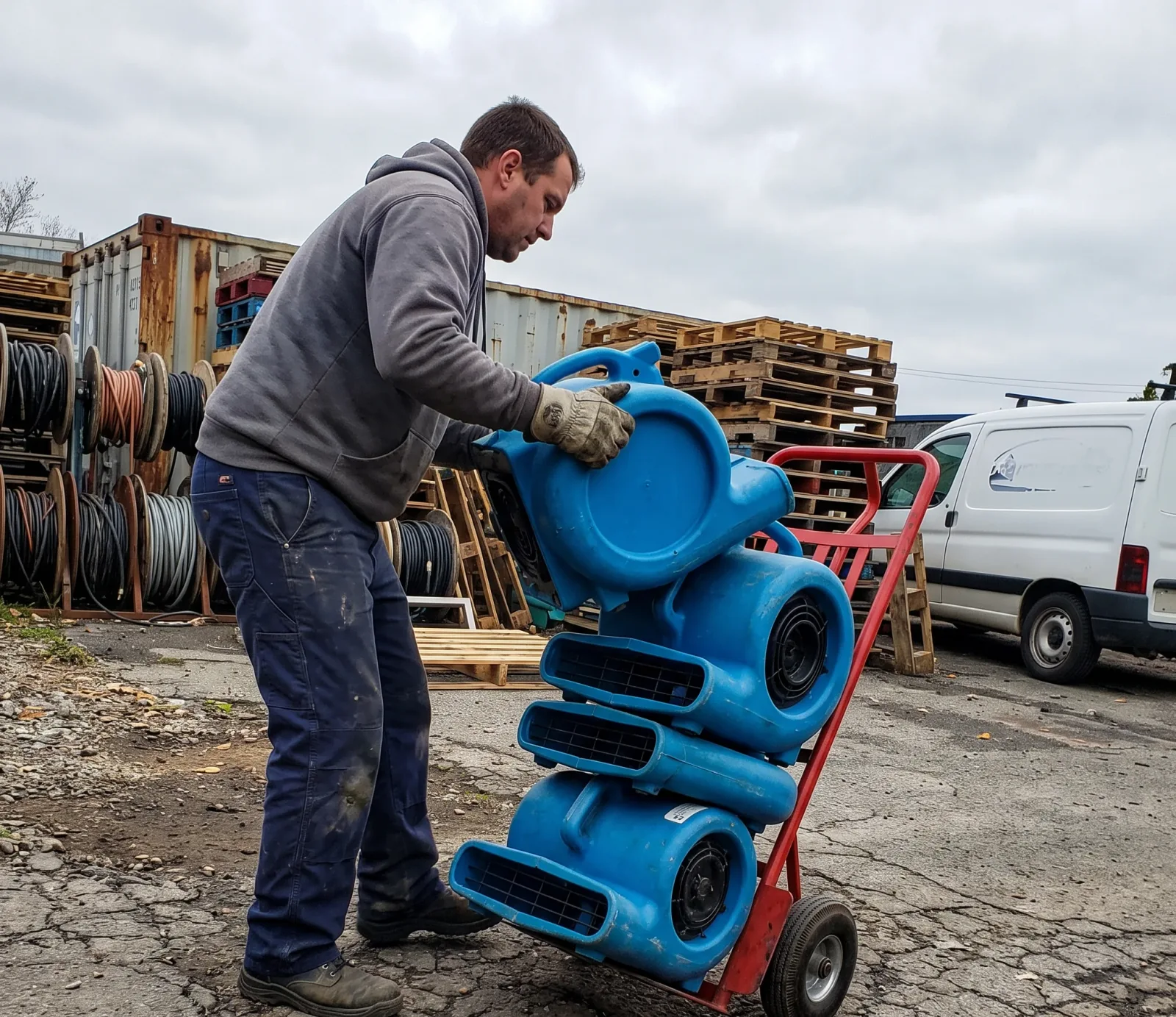
A dehumidifier pulls moisture load out of the air and dumps it into a bucket or a drain line, lowering the room's relative humidity so materials keep releasing water. When the outdoor air feeding the building is already damp, as it often is during a wet week near Tempe Town Lake, the machine has more total moisture to remove before the room ever reaches a workable dryness target.
Evaporation Rate And Airflow
The evaporation rate off a wet slab or soaked baseboard depends on airflow, temperature, and the moisture already sitting in the room. Push warm air across a surface and it speeds up. Fill that same air with humidity first and the surface can't offload water as quickly, no matter how hard the fan blows. Monsoon humidity works against the fan.
Dry Heat Versus Monsoon Humidity
Anyone who's lived through a Phoenix-area summer already knows the difference between a dry 105 in May and a sticky 100 in August near a monsoon push. That same shift in ambient air changes indoor drying math directly. A house near Papago Park runs a dehumidifier longer in August than in May for the exact same size water loss.
Why Psychrometrics Guides Equipment
Vapor pressure is what pushes moisture out of wet drywall and flooring into the surrounding air, and that push weakens once the air nearby is already carrying a heavy moisture load. A dehumidifier pulls grain depression back into a useful range, but during a humid stretch after a storm off McClintock Drive, that gap closes slower, so the unit runs longer to hold the same drying pace a Tempe homeowner would see in the dry season.
Vapor Pressure And Wet Materials
Vapor pressure is the actual physical force pushing moisture out of a wet material into the surrounding air. Wood, drywall, and carpet pad all hold water at higher pressure than the air around them right after a leak. As the room's humidity climbs, that pressure difference narrows, and the material simply can't push moisture out as fast, regardless of how new the fans are.
Irrigation And Baseline Moisture Load
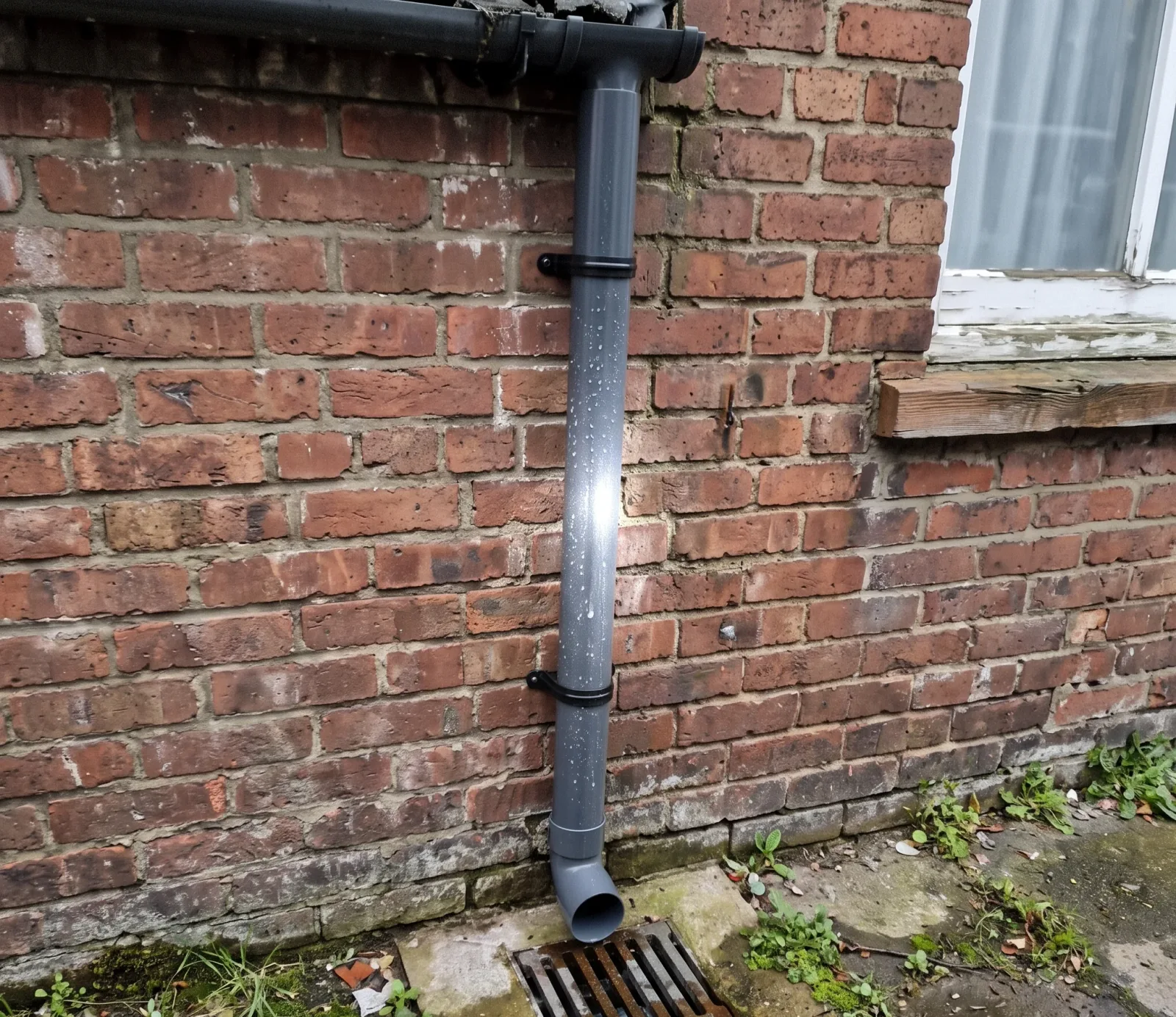
A Tempe home with flood irrigation running in the yard or standing water from a blocked drain line adds moisture load to the surrounding air even before a leak happens indoors. That extra humid climate baseline means indoor air starts a drying job already partway toward saturated, which is one more reason two identical leaks can dry at very different speeds.
What Climate Science Doesn't Fix
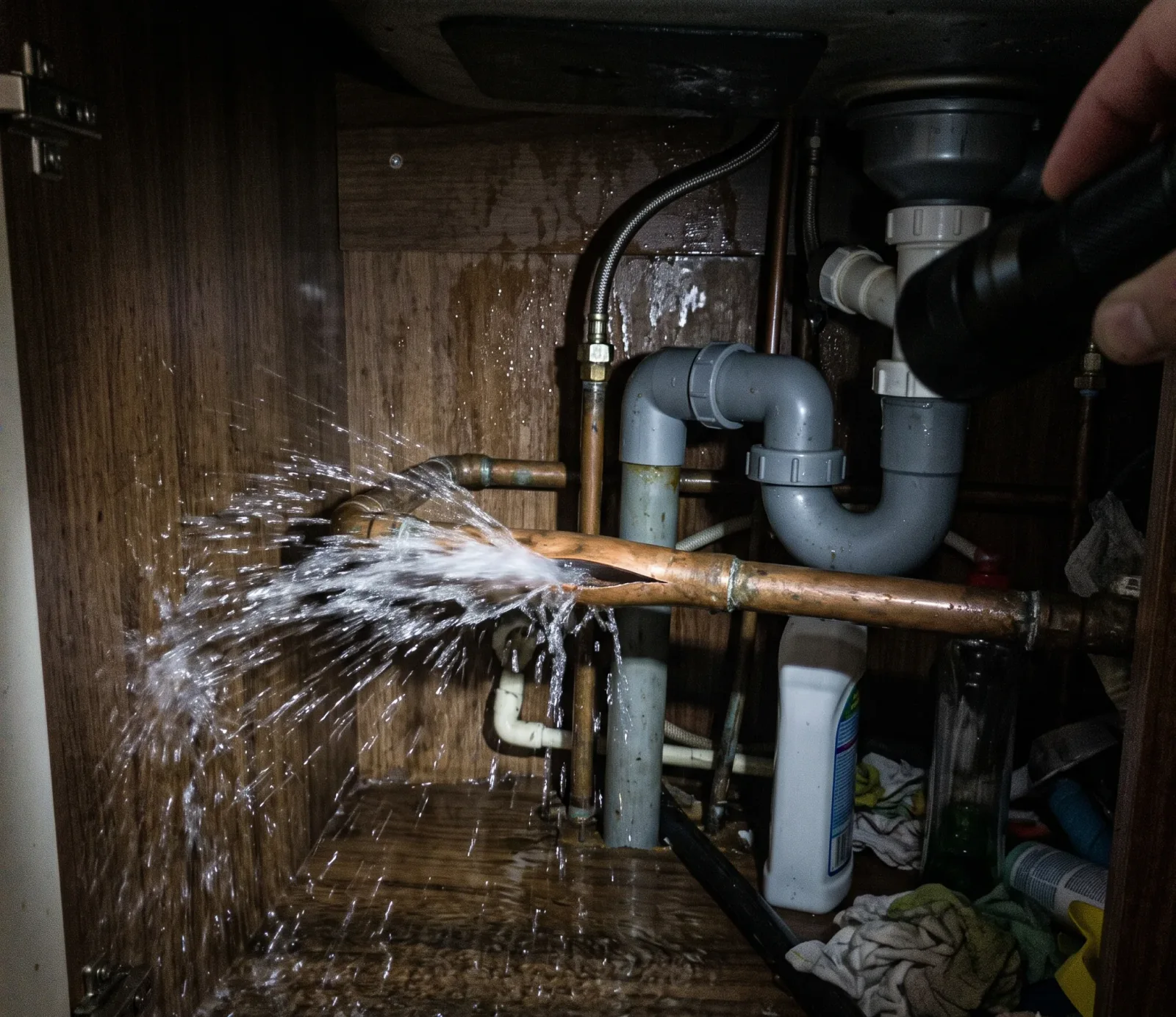
None of this changes what a water loss actually needs once it's happened inside a home near McClintock Drive or anywhere else in the East Valley: moisture readings, airflow, and equipment sized to the room. Climate explains why the clock runs slower some weeks. It doesn't change what has to happen to stop mold and warping once water is already on the floor.
Setting Realistic Drying Expectations
A homeowner near Mill Avenue calling about a leak in July should expect a longer drying window than one calling in February, even with identical equipment on identical materials. That's not a sign anything went wrong. It's a straightforward result of ambient air, dew point, and how much moisture the outdoor climate is already carrying into the building.
Dealing with this in your home?
A rental near Apache Boulevard can run fine through the summer, then take on water when a flood irrigation gate off Warner Road stays open too long. Tempe's caliche layer barely drains, so water pools against the slab foundation and finds the door faster than an ASU student expects.