A rental home near ASU sits empty for a week between leases, and the swamp cooler nobody drained keeps dripping into the same spot on the ceiling. Landlords renting property in Tempe carry a different water damage risk than owner-occupants: nobody is home every day to catch a slow leak early, and a tenant's first notice of a problem often arrives days after it started.
Old Pipes, Slow Failures
Aging plumbing is the quiet risk in a lot of Tempe rental units, especially houses built decades ago near Maple Ash or Escalante. Galvanized supply lines and old water heater connections don't announce they're failing. A tenant might mention a small drip weeks before a fitting actually gives way, and by then the flooring and cabinet base have already started absorbing water nobody saw.
When AC Units Leak
AC maintenance gets skipped more often in rental units than in owner-occupied homes, and in Tempe that matters because a neglected condensate line backs up fast in July heat. A clogged drain pan overflows onto drywall or flooring, and if the unit sits in a closet near living space, the water finds carpet or laminate before anyone notices the AC is even struggling.
The Cost Of A Late Report
Reporting delay is where a lot of rental water damage turns from a repair into a bigger job. A tenant may not think a slow drip under the kitchen sink is worth a call, or may not know who to call, and weeks can pass. By the time a property manager hears about it, water has been sitting against a slab or soaking into a cabinet the whole time.
What A Lease Can't Control
A lease agreement usually spells out how a tenant is supposed to report problems, but it can't force someone to notice one. Renters near Mill Avenue or Apache Boulevard often keep odd hours around class schedules and shift work, and a leak that starts on a Friday might not get reported until the following week, which changes how much drying and repair the damage ends up needing.
Vacancy And Skipped Repairs
Deferred maintenance shows up most clearly during vacancy, when a rental unit sits unoccupied between tenants. A water heater that was already near the end of its life doesn't get replaced proactively if nobody's living there to complain, and it can fail during an empty stretch, running for hours or days before a property manager does a walkthrough.
Turnover As A Checkpoint
Unit turnover is actually a good moment to catch water damage risk before it becomes a claim. Between tenants, a property manager can check water heater age, supply line condition, and AC drain lines without working around a tenant's schedule. Skipping that check to fill a vacancy faster is exactly how small plumbing issues get inherited by the next lease.
What A Landlord Is On The Hook For
Liability exposure for a Tempe landlord isn't just the cost of drying out a unit. Under Arizona's Residential Landlord and Tenant Act, a landlord is required to keep plumbing and other systems in working order, so a water problem tied to something like a known bad water heater or an unrepaired leak can turn into more than a repair bill.
One Leak, Shared Damage
A single rental property spread across a duplex or a small multi-unit building can turn one slow leak into a shared problem fast. Water doesn't stay inside the unit where it started; it tracks along a slab, under a shared wall, or down into a lower unit if the property has stacked floors, which is one reason a small report shouldn't sit for long.
Monsoon Storms And Empty Units
Landlords near ASU rental corridors carry a different exposure than owner-occupants. A vacancy between leases can hide a slow leak for weeks, and deferred maintenance on aging plumbing or an ignored AC unit often surfaces only after a tenant finally reports it. That reporting delay, common during unit turnover, lets moisture sit in flooring and cabinetry longer, turning a small fix into a bigger liability exposure for the property manager.
Closing The Reporting Gap
A property manager juggling several rental units across Tempe can't personally inspect every water heater or AC drain line every week. Setting a clear, simple way for tenants to report a leak immediately, and checking on it fast when they do, closes most of the gap between a slow drip and a soaked subfloor that has to be replaced.
What Happens After The Leak
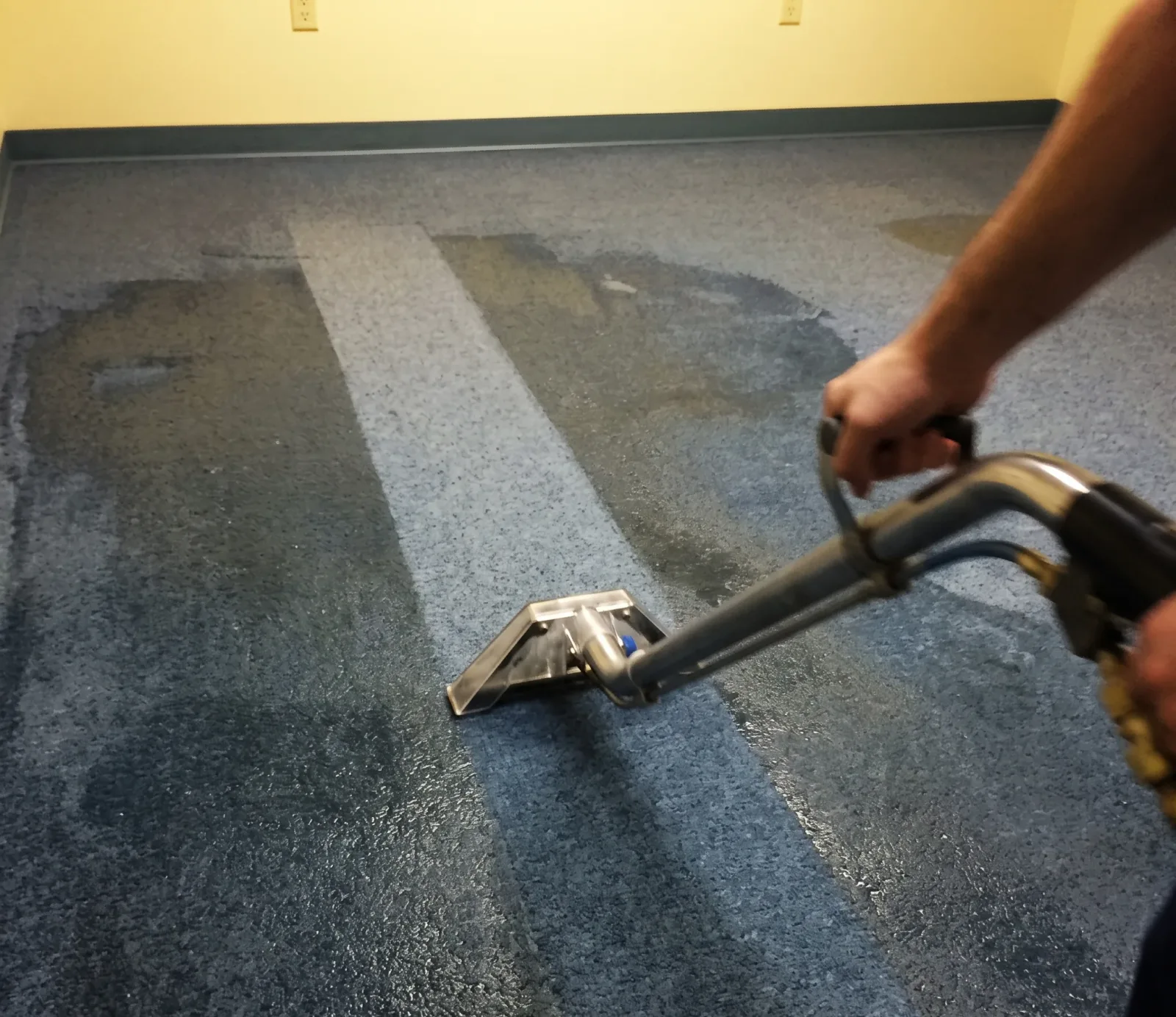
Once water damage happens in a rental unit, the questions shift toward drying and repair rather than prevention. A landlord in that spot is usually asking how fast the affected area needs to dry out, whether the flooring or drywall can be saved, and how a turnaround like that fits around a tenant still living in the unit or a vacancy waiting to be filled.
Dealing with this in your home?
A rental near Apache Boulevard can run fine through the summer, then take on water when a flood irrigation gate off Warner Road stays open too long. Tempe's caliche layer barely drains, so water pools against the slab foundation and finds the door faster than an ASU student expects.