When a water heater fails or a monsoon storm drives rain through a roof seam near Mill Avenue or Kiwanis Park, the first minutes matter more than the first call. Tempe homeowners waiting on help can cut off the source at the shutoff valve, kill power to the affected room if outlets sit near standing water, and note what got soaked before anything gets moved or tossed out.
Find The Shutoff Valve
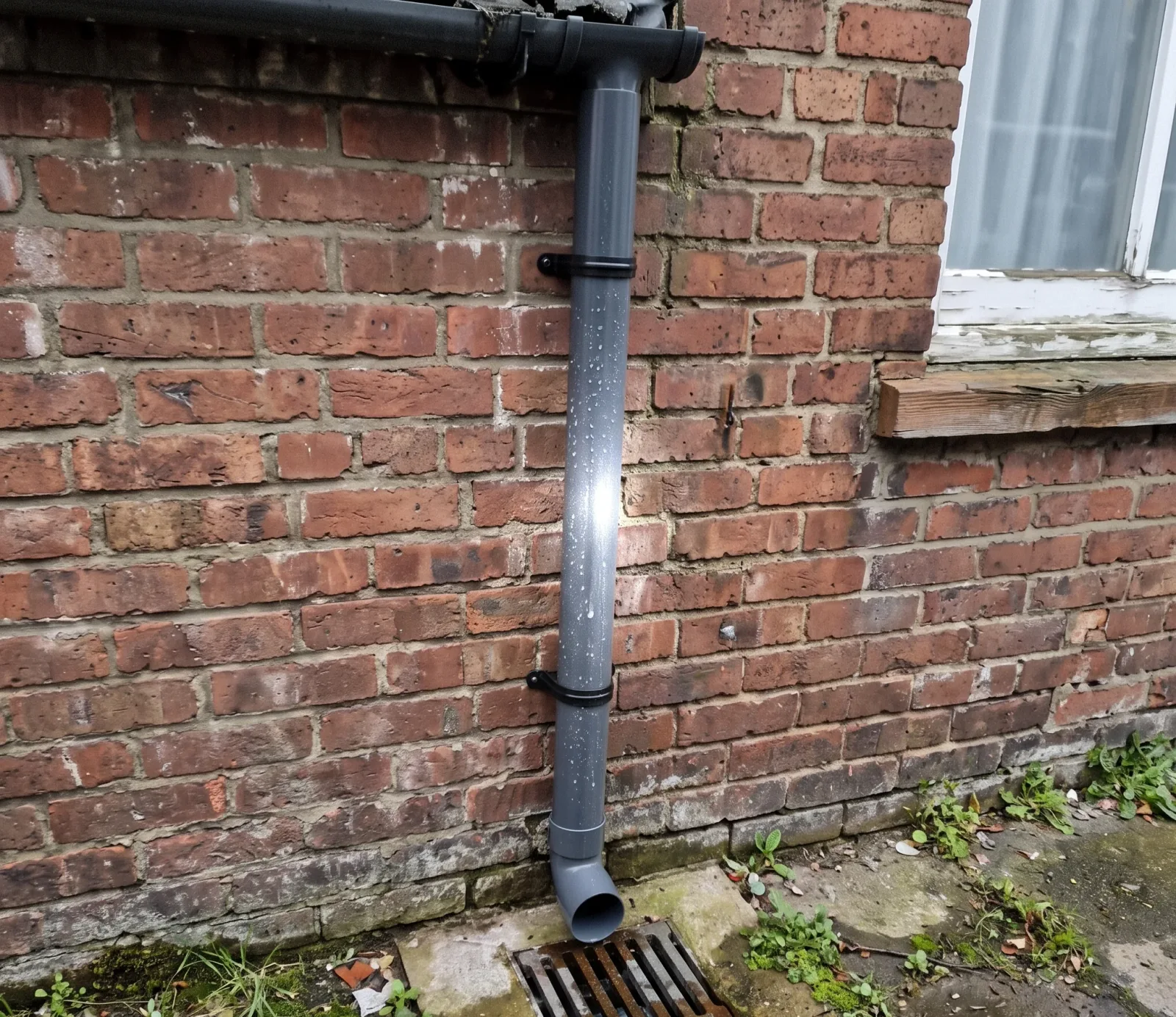
Find where the water enters the house and cut it there. Most homes have a valve at the fixture itself, under a sink or behind a toilet, that stops flow faster than hunting for a whole-house line. If that valve is stuck or missing, the main line coming in from the street is the backup. Label these locations now, before an emergency, since a calm walkthrough beats a frantic search later.
Electrical Hazard Comes First
Grab safety gear before touching anything electrical, since a soaked outlet near Rio Salado Parkway or a flooded garage off Priest Drive is an electrical hazard until the breaker is off. Slide furniture legs onto foil or plastic to stop wicking, open windows for ventilation, and take a photo record of everything before a first responder or restoration crew even arrives.
Move Furniture Off Wet Floors
Once the water is off and the power is safe, move what you can. Lift furniture legs onto blocks, dry towels, or plastic wrap to keep upholstery and wood off a wet floor. Pull rugs and wet items away from the affected area. This buys time before moisture soaks deeper into flooring or baseboards common in homes throughout Tempe and nearby Guadalupe.
Aluminum Foil Under The Legs
Grab your phone before you grab a mop. A photo record of soaked drywall, pooled water, and damaged belongings gives your insurer something concrete to work from later. Open windows near Kiwanis Park or anywhere the air feels heavy for ventilation, since Tempe's dry heat usually helps once airflow starts moving through the room.
Open Windows For Ventilation
Ventilation helps more than people expect in the first minutes. Open windows if the weather allows, and run ceiling fans or box fans pointed at the wet area. Tempe's dry desert air outside a monsoon storm can actually help pull moisture out faster than a closed, humid room, especially in homes near Papago Park or Kiwanis Park.
Take A Photo Record
A photo record protects you later, and it takes less time than people think. Before anything gets moved or mopped, take pictures of the standing water, the source if it's visible, and any furniture or flooring that got wet. This matters whether the home sits near Arizona State University or off Southern Avenue, since insurers ask for this evidence.
Wear Real Safety Gear
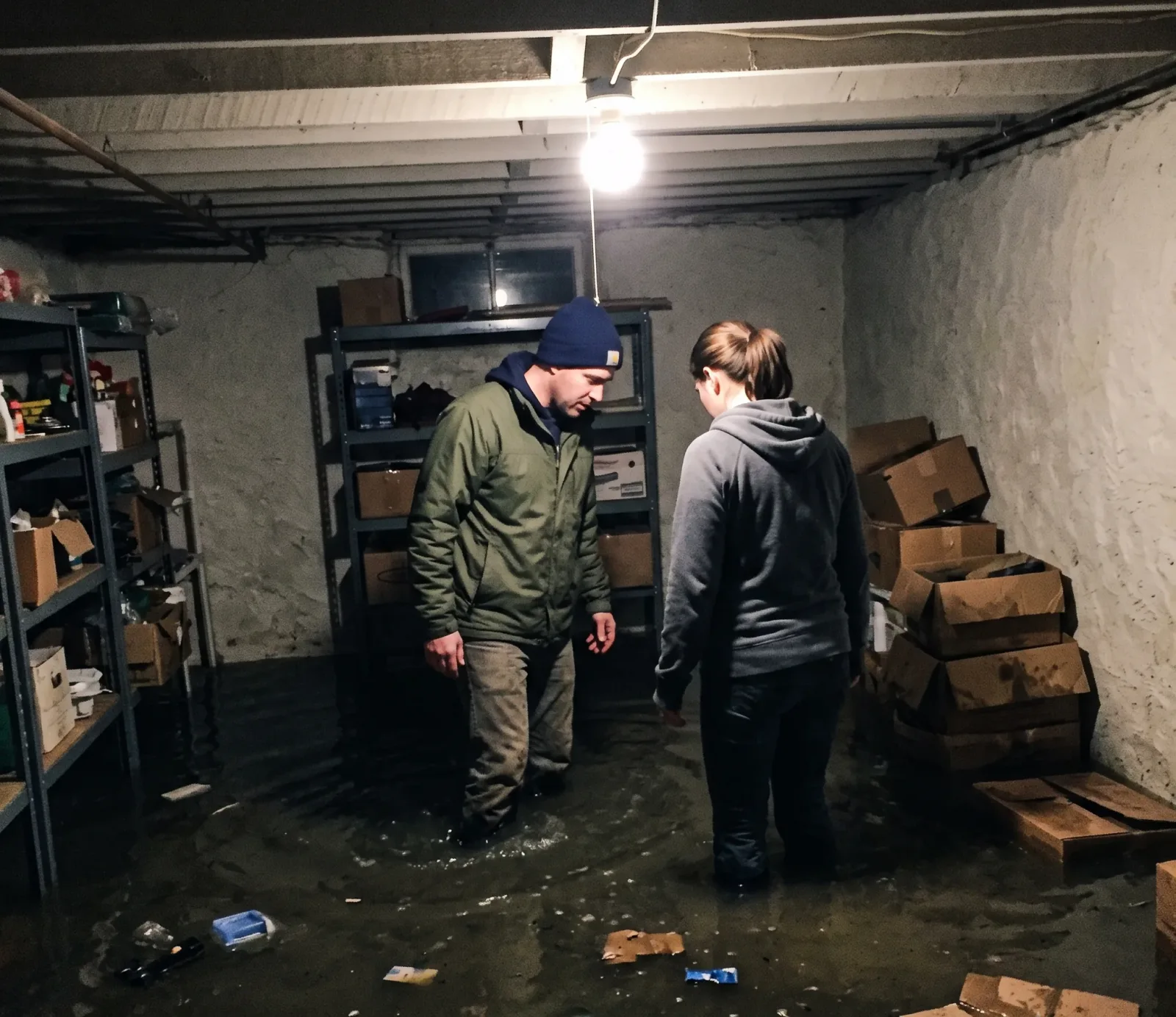
Safety gear is not optional in a flooded room. Rubber boots or waterproof shoes and gloves keep you from standing in water that may be carrying debris, cleaning chemicals, or worse if a sewer line backed up. Anyone with health concerns should skip wading through wet items entirely and let a first responder or the pros handle it near Rural Road or McClintock Drive.
Skip The Household Vacuum
Do not use a household vacuum on standing water, and do not try to dry out electronics that got wet. Set them aside and unplug what you can safely reach. A shop vac rated for water works, but a regular vacuum will short out or shock you. This applies whether the loss happened near Mesa's border or inside an ASU-area rental.
Order Of Operations Matters
Move quickly but don't skip the shutoff valve step to save time elsewhere. A homeowner who unplugs a lamp before stopping the water at the source is solving the smaller problem first. Order matters here: stop the source, cut power if needed, then start protecting furniture legs and wet items from further soaking near Warner Ranch or Kiwanis Lake.
Hidden Moisture Stays Behind
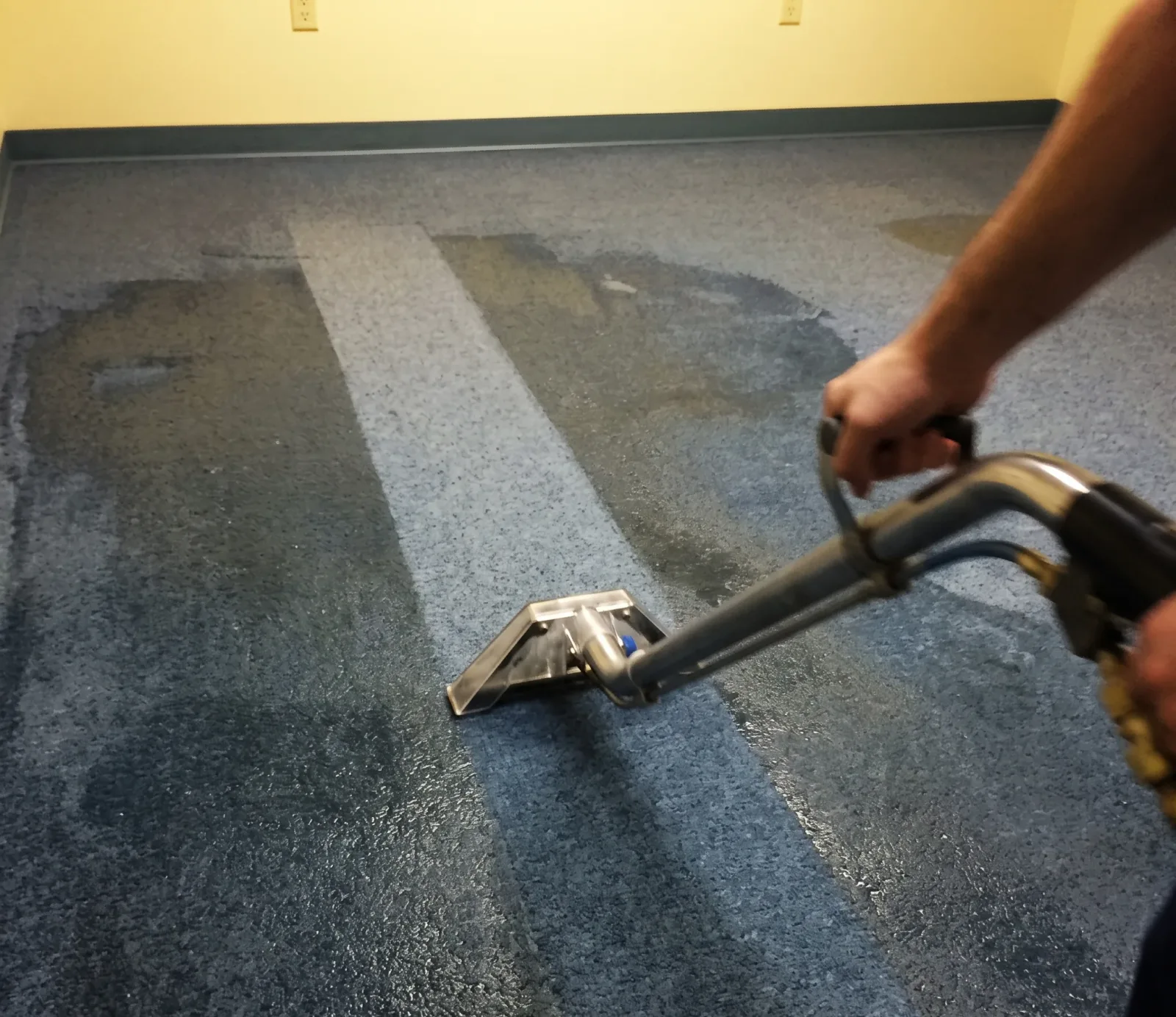
None of this replaces a full inspection. Hidden moisture can sit inside a wall or under flooring near Hayden Butte or Tempe Beach Park long after the visible water is gone, and that is where mold risk starts building within a day or two. These first steps just limit how much damage happens before real drying equipment arrives.
Control Now, Repair Later
The goal in these first minutes is control, not repair. Stop the water, protect people from an electrical hazard, save what furniture and wet items you can, and document what happened. Everything else, from moisture readings to structural drying, is work for the licensed pros we connect you with once they reach a home anywhere from Tempe Marketplace to West Tempe.
Dealing with this in your home?
A rental near Apache Boulevard can run fine through the summer, then take on water when a flood irrigation gate off Warner Road stays open too long. Tempe's caliche layer barely drains, so water pools against the slab foundation and finds the door faster than an ASU student expects.