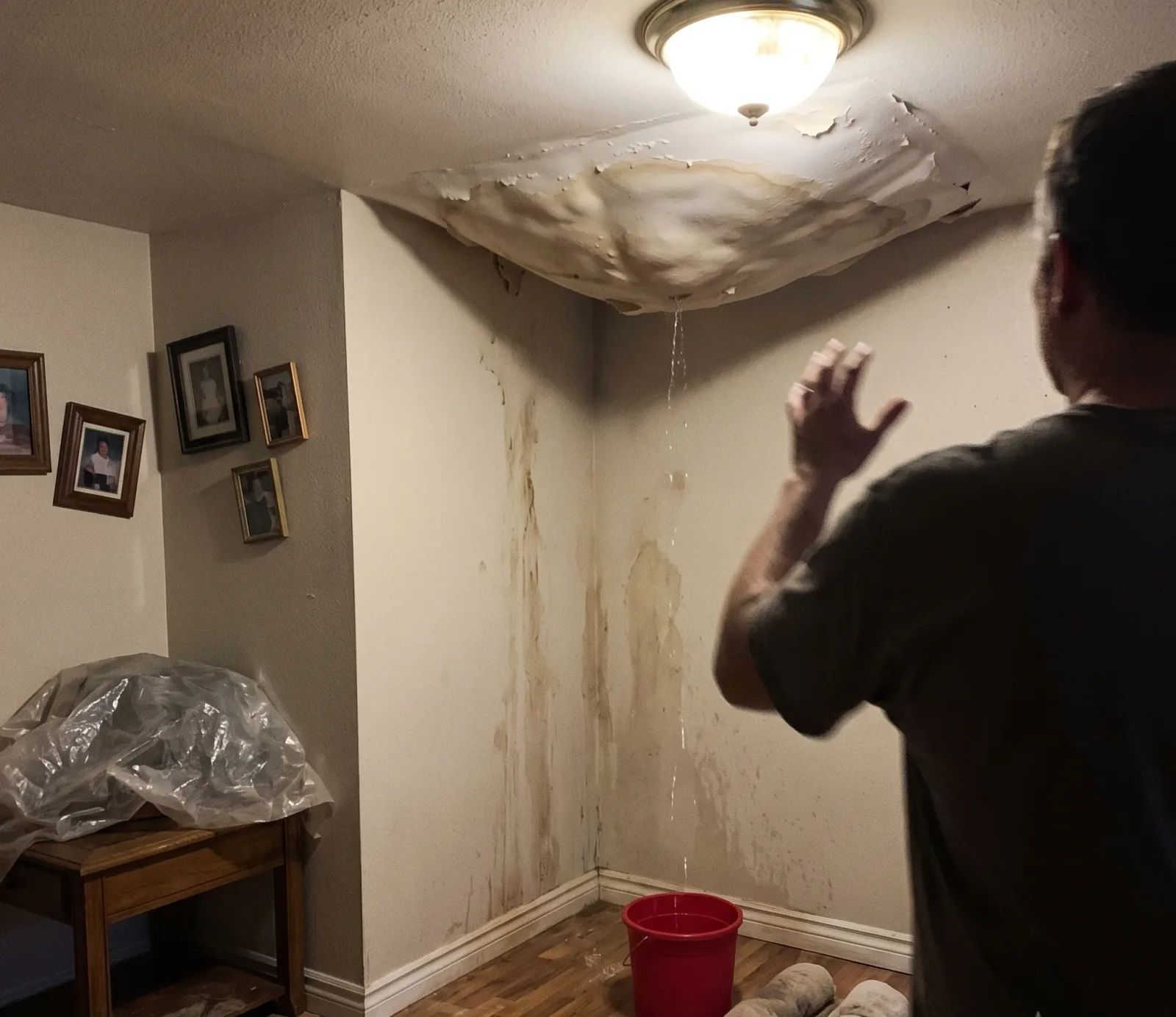
A brown ring on a Tempe ceiling doesn't announce its own cause. Homeowners near Mill Avenue and out past McClintock Drive usually guess plumbing first, but a surprising number of these stains trace back to an AC unit working overtime against a 110-degree afternoon. Knowing which one you're looking at changes what you fix and how fast you need to move.
Where Condensation Comes From
Every Tempe AC system pulls moisture out of the air and drips it into a drip pan, then out through a condensate line to the yard or a drain. That's normal. The stain shows up when the pan cracks, the line clogs with dust from a haboob, or the pan overflows onto drywall below an attic unit. It's a byproduct of cooling, not a failure of the roof or the pipes.
Where an Actual Leak Comes From
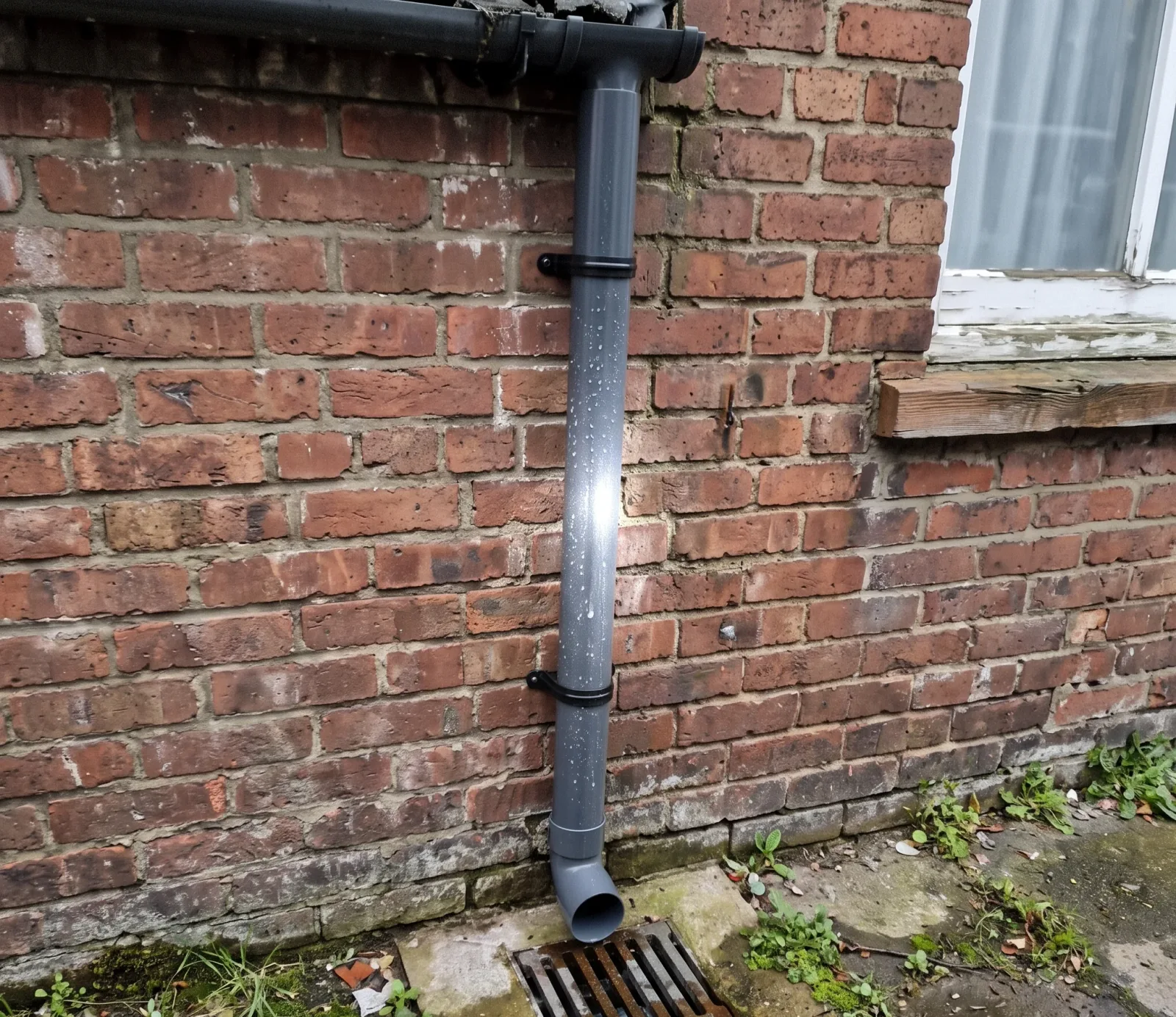
A real leak traces to a supply line, a slow leak in aging copper, a cracked vent stack seal, or roof flashing that let monsoon rain past it. Unlike condensation, these sources aren't tied to the AC running. A leak from a bathroom above or a roof penetration near a swamp cooler mount can show up whether the unit is on, off, or doesn't exist in that part of the house at all.
The Timing Test
Condensation drips tend to follow the AC's schedule: worse on the hottest afternoons, quieter overnight when the unit cycles less. A leak doesn't care what the thermostat is doing. If the stain grows on a cool October morning with the AC barely running, or after a monsoon storm rolls through, that's pointing away from condensation and toward a roof or plumbing source.
Reading the Stain Pattern
Location matters as much as timing. A stain directly under an attic air handler or near a supply vent usually means condensation. A stain near an exterior wall, below a second-floor bathroom, or spreading from a spot near roof flashing points toward a leak. In homes near Tempe Town Lake and older stock in Maple Ash, roofline stains often start at a flashing seam, not a duct.
What a Constant Drip Tells You
A constant drip that shows up only when the AC runs, and stops soon after it shuts off, is consistent with condensation backing up in a clogged line. A recurring drip that shows up regardless of the AC, especially one that gets worse after rain or after someone runs an upstairs shower, behaves more like a supply line or roof problem than anything tied to cooling.
What an Intermittent Leak Tells You
An intermittent leak that only appears during monsoon season points hard at the roof, especially in Tempe's flat and low-slope roof homes where ponding water finds any gap in the flashing. An intermittent leak that shows up after guests visit or after laundry runs points at a supply line or a fixture, not the weather at all. Pattern beats guesswork here.
Why the Puddle Location Matters
Where the water actually puddles, not just where the stain is, narrows things further. Water pooling directly below an attic unit almost always means a drip pan or condensate line problem. Water tracking along a wall from the ceiling toward a corner, or pooling near an exterior wall after a storm, usually means the water traveled from the roof or a wall cavity before it ever hit the floor.
When Humidity Level Is the Tell
Tempe's dry air makes this test useful: a musty smell or visible dampness that lingers for days points to a leak feeding moisture continuously, since the desert air alone won't sustain it. Condensation drips, once the clog or crack is cleared, dry out fast in this climate. A spot that stays damp well after the AC cycle ends is being fed by something else.
What Slab Foundations Change
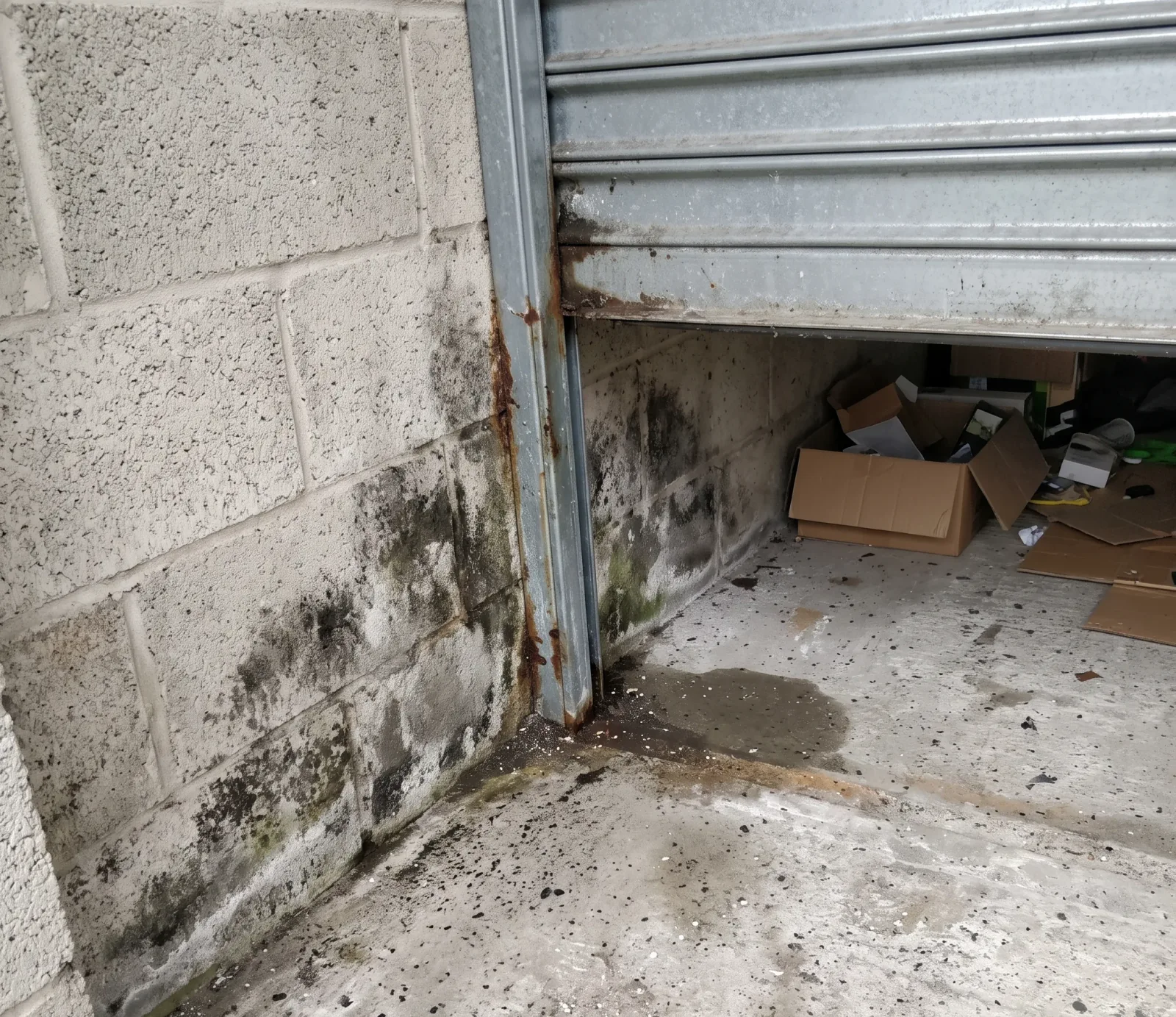
Near ASU rentals along Apache Boulevard, a wet patch under the AC unit often gets blamed on the roof. Check the pattern first. A drip pan overflow or clogged condensate line puddles right under the unit and stops once the AC cycles off. Water tracking down a wall from flashing near the vent stack, or spreading from a slab crack after monsoon rain, points to plumbing or roofing instead.
When to Stop Guessing
If the stain keeps returning after you've wiped it down twice, or if it shows up in a spot with no AC ductwork anywhere near it, it's time to stop guessing from the ceiling and get a moisture reading instead. A meter reading through drywall settles what timing and stain pattern can only suggest.
Questions Worth Asking Next
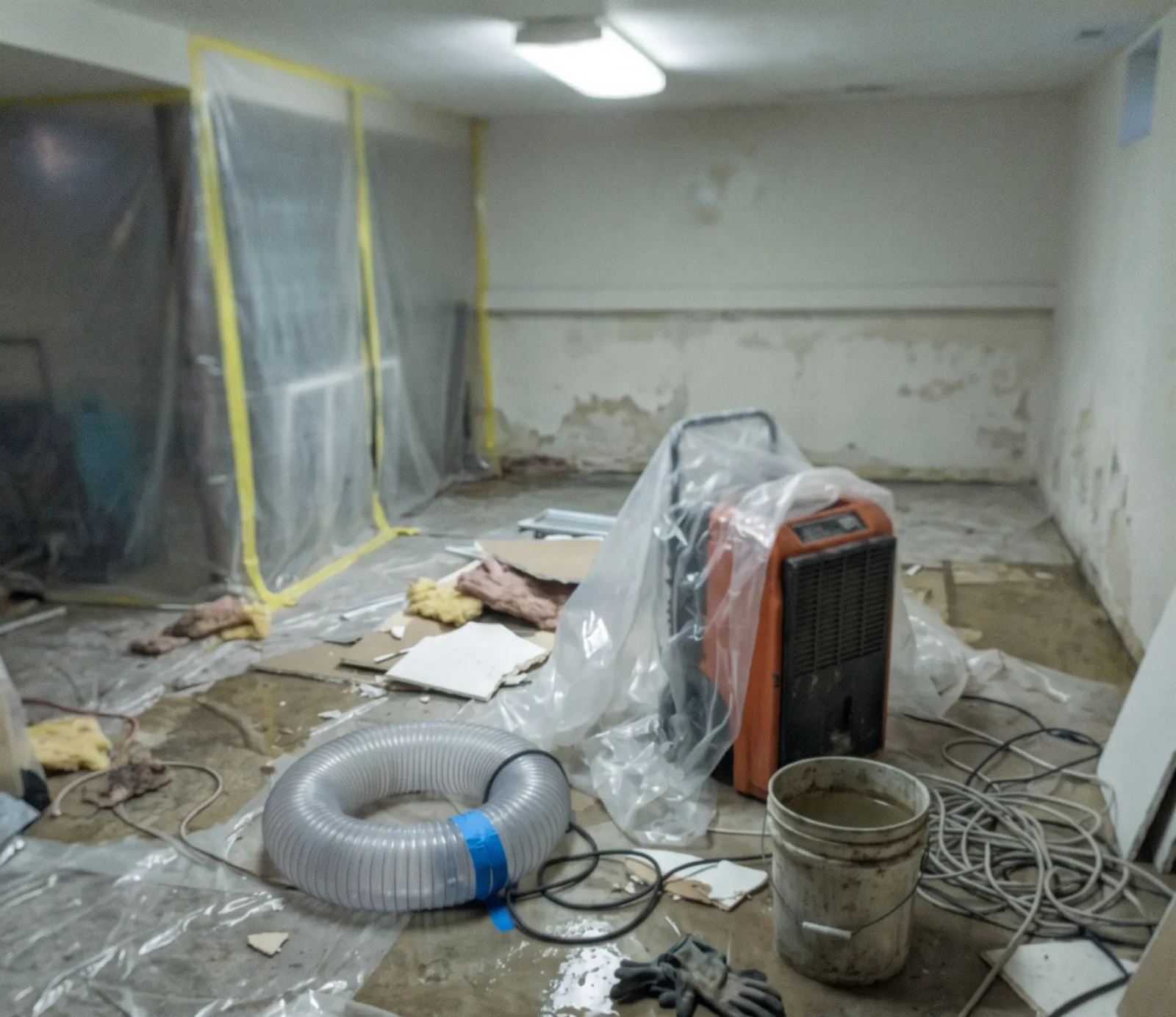
None of this replaces someone opening the attic and tracing the actual path of the water. But knowing the difference changes the conversation: is this a $200 condensate line clear, or does it mean checking roof flashing after the last monsoon pass, or a supply line hidden in a slab? Ask which one you're dealing with before anyone opens a wall in your Tempe home.
Dealing with this in your home?
A rental near Apache Boulevard can run fine through the summer, then take on water when a flood irrigation gate off Warner Road stays open too long. Tempe's caliche layer barely drains, so water pools against the slab foundation and finds the door faster than an ASU student expects.