A monsoon roof leak over Mill Avenue or a water heater failure in a Warner Ranch home leaves a homeowner staring at a soaked floor, unsure what to grab first: a mop or a phone. Insurance adjusters and the licensed pros we connect you with both work faster with a clear record. What you capture in the first hour, before any cleanup starts, often decides how smoothly the claim moves.
Start With A Wide Shot
Start with a wide shot of every affected area before anything gets moved or torn out. Stand in the doorway and capture the whole room, then the ceiling, then the floor line where water met drywall. A wide shot shows the adjuster the scope; a close-up photo later shows the detail. Skipping the wide shot is the most common documentation mistake in a Tempe claim.
Then Get Close-Up Detail
Start wide, then get close. A full-room shot from each doorway in Tempe shows how far water traveled across the floor before anyone mopped a drop. Follow with a tight shot on each ruined surface: baseboard, cabinet base, drywall edge. Set your phone clock right first, since every image carries a timestamp the adjuster will check against your notice date.
Add A Moisture Reading
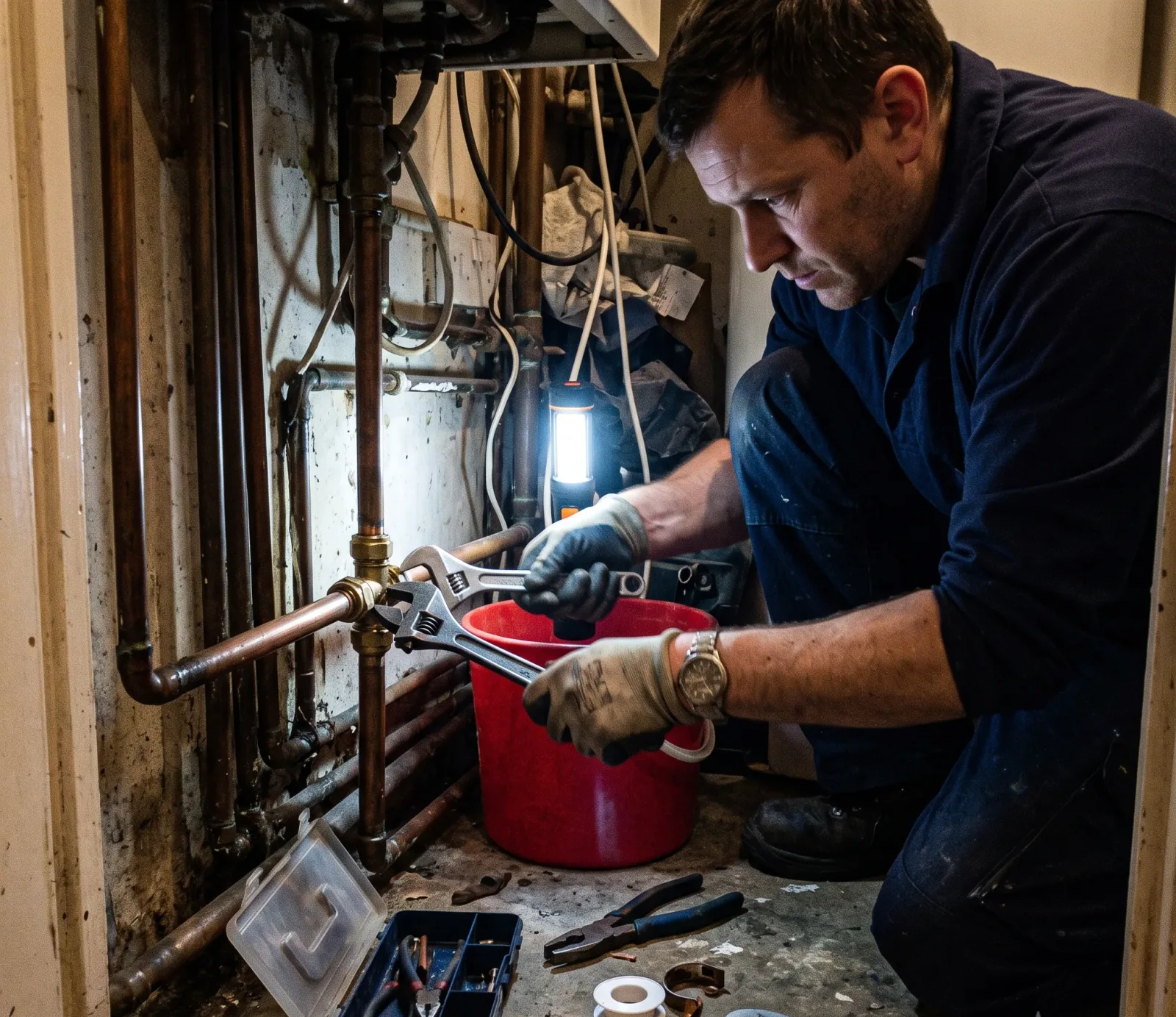
A moisture reading with a handheld meter, taken by the licensed pros we connect you with, turns a photo into a measurement. Readings logged room by room, with a timestamp, show how far water traveled behind drywall or under flooring near the slab. Adjusters trust numbers next to pictures more than pictures alone, especially when a claim covers several rooms in a Tempe home.
Record A Video Walkthrough
A video walkthrough fills the gap photos leave. Walk slowly through every affected area, narrating what you see out loud: which wall, which corner, which appliance failed. Do this before touching anything, then again once wet materials are removed. Two video walkthroughs, one before and one during cleanup, give an adjuster a timeline a stack of still photos cannot show on its own.
Build An Inventory List
Damaged contents need their own inventory list, separate from the structural damage to walls and flooring. Note each item, its condition, and if possible its serial number for electronics or appliances near the water heater or under a kitchen sink. A short written description next to a close-up photo of the same item ties the two records together when the list gets long.
Find A Before Photo
A before photo isn't always available after a Tempe monsoon storm hits without warning, but old listing photos, move-in pictures, or even a birthday photo taken in the same room can show a floor or wall's prior condition. Insurers weigh a documented before-and-after more heavily than a homeowner's memory of how a room looked before the water heater in a Riverside-area home failed.
Save Every Receipt
Match your list to proof. Next to each damaged item, note a serial number if it has one, and pull the receipt if you kept it or can find it online. No receipt, no problem — a bank statement or an old photo showing the item in the room still counts. This pairing, item plus proof, is what turns a guess about value into a number the adjuster can actually approve.
Keep A Digital Backup
Build a digital backup of everything as you go: photos, the video walkthrough, moisture readings, receipts. Email them to yourself or upload to cloud storage the same day, not the week the claim gets reviewed. A phone that gets dropped in a puddle near Tempe Town Lake or simply lost mid-cleanup shouldn't be the only copy of documentation a claim depends on.
Hold The Chain Of Custody
A chain of custody matters most for damaged contents an adjuster or contractor may want to inspect later. Don't discard soaked furniture, electronics, or flooring samples from a home near Escalante or University Heights until the claim has moved past the initial documentation stage. Photograph the item, log where it's stored, and hold it until you're told it's no longer needed.
Document Before Drying Begins
Timing matters as much as content. Document before the licensed pros we connect you with begin extraction or drying, not after, since drying equipment changes the room fast. A Tempe home near ASU or Tempe Diablo Stadium with student tenants often has less time to spare before cleanup starts, which makes capturing the record in the first visit even more important.
What This Record Is For
None of this replaces working through the claim itself with an insurer, but a home near Papago Park or Kyrene Road with a thorough record moves through that process with fewer questions. A wide shot, a close-up photo, a moisture reading, and an inventory list are the raw material; what happens with them next is a separate step this page doesn't cover.
Dealing with this in your home?
A rental near Apache Boulevard can run fine through the summer, then take on water when a flood irrigation gate off Warner Road stays open too long. Tempe's caliche layer barely drains, so water pools against the slab foundation and finds the door faster than an ASU student expects.