Street flooding in Tempe usually isn't about how much rain fell. It's about where that rain had to go once it hit the ground. A downpour drops water onto roofs, driveways, and pavement across the city, and all of it needs somewhere to travel. When the path from curb to storm drain to channel gets overwhelmed, the street becomes the temporary reservoir, and standing water backs up toward houses along Southern Avenue and Priest Drive.
The Storm Drain's Limit
Storm drains have a rated capacity, and a Tempe monsoon cell can outpace it fast. The City of Tempe Public Works Department runs a monsoon-preparedness program because heavy short bursts of rain, not steady all-day storms, are the normal pattern here. When inlets near Mill Avenue or a low-lying stretch of Rural Road can't swallow water quickly enough, it pools at the curb and spreads across the roadway before it ever reaches a catch basin.
When a Catch Basin Clogs
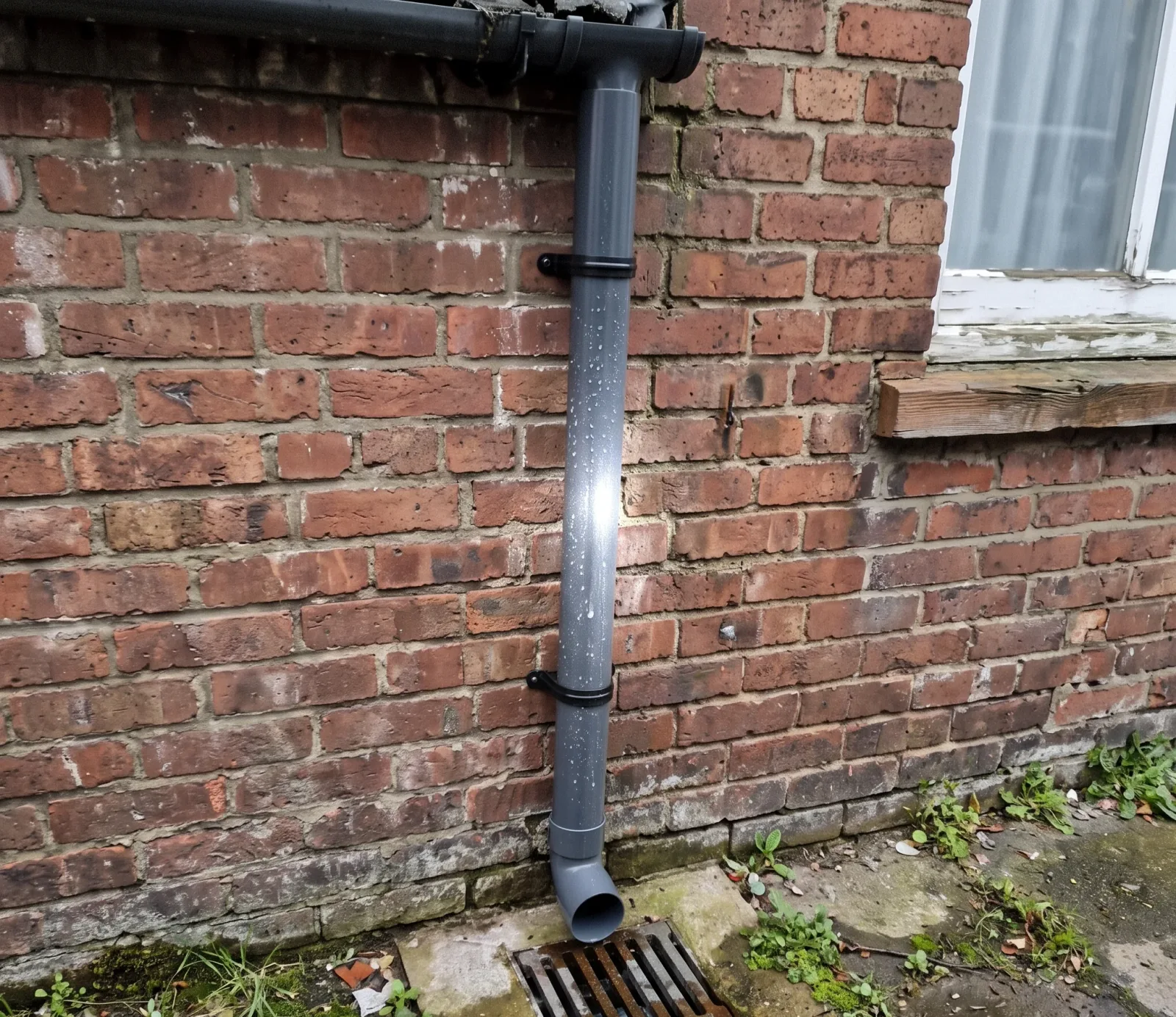
A blocked catch basin turns a manageable storm into a real problem. Leaves, dust, and monsoon debris collect over the dry months and settle right where runoff needs to enter the storm sewer. The City of Tempe's own guidance is direct about this: flooding at a street, sidewalk, or home gets worse when a storm drain is blocked. Residents can report a blocked drain to Tempe Public Works at 480-350-4311 before the next storm, not during it.
Caliche Soil Sheds Water
Caliche is the other half of the story. This hardpan soil layer sits under much of Maricopa County and does not absorb water the way looser soil does. Instead of soaking in, rain runs off the surface toward the nearest low point, which is often the street in front of a house near Kyrene Road or Warner Road. A yard that looks fine in June can shed water like a driveway once a downpour hits it in July or August.
Grading Decides Where It Goes
Grading around a house decides which way that runoff moves once it leaves the street. A lot graded to slope away from the foundation sends water back toward the curb or a side yard. A lot graded flat, or worse, toward the house, gives runoff nowhere to go but under the garage door or through a low threshold. This is a property-by-property detail, and it matters more in Tempe than the rainfall total itself.
Too Much Impervious Ground
Impervious surface is a term worth knowing because it explains why older neighborhoods flood differently than newer ones. Roofs, driveways, sidewalks, and streets don't absorb rain at all, so the more of a block that's covered in concrete or asphalt, dense areas near Downtown Tempe or Apache Boulevard included, the more water arrives at the same low spot at once, rather than soaking into open ground the way it would on a undeveloped lot.
Curbs, Gutters, and Overflow
Curb height and gutter design set the limit on how much water a street can carry before it spills onto a lawn. Streets are built with a crown and a gutter line to route runoff toward an inlet, but that system assumes the inlet is clear and the flow doesn't exceed what the channel was sized for. During an intense cell, the street itself becomes the drainage channel, and a curb that's a few inches too low lets that water reach a driveway near McClintock Drive.
Who Actually Handles Drainage
Grading around a Tempe house matters more than most people think. If dirt slopes toward the foundation instead of away from it, every downpour pushes water against the slab edge and it has nowhere to go but pooling near the door. A homeowner can regrade next to the house, extend downspouts past the drip line, and clear leaves from gutters. None of that touches a full storm drain down the block.
What a Homeowner Can Do
A homeowner does have some real control here, even without touching public infrastructure. Clearing leaves and debris away from a driveway's low point, keeping a yard graded away from the foundation, and reporting a blocked storm drain before a storm arrives are all within reach. What's out of reach is the size of the storm drain itself or how fast a catch basin a block away gets cleared once water is already running.
How Local Terrain Adds Up
Renters near Apache Boulevard or the ASU campus have less control over grading and gutters, but they can still act fast. Move boxes and rugs off the floor before a storm, not after, and report a curb or catch basin that stays clogged block after block to Tempe Public Works. A landlord can fix a downspout. Nobody living on that street can fix the storm sewer under it.
Not the Same as 2010 or 2025
It's worth separating this everyday street flooding from the kind of event Tempe actually remembers. The July 2010 Tempe Town Lake dam failure and the October 2025 microburst that damaged close to 600 homes were both large, unusual events tied to infrastructure failure and extreme wind, not routine storm drain overload. Most flooded streets after a summer downpour are a drainage capacity story, not a sign that anything similarly dramatic is happening.
The Short Answer
So the short answer is this: water shows up at a house from the street because the street, the curb, the catch basin, and the soil underneath it all have limits, and a monsoon downpour finds them fast. A homeowner near Mesa, Chandler, or Scottsdale is working with the same caliche and the same storm drain math, just a different block. Grading, debris removal, and a call to Public Works are the pieces within a resident's control.
Dealing with this in your home?
A rental near Apache Boulevard can run fine through the summer, then take on water when a flood irrigation gate off Warner Road stays open too long. Tempe's caliche layer barely drains, so water pools against the slab foundation and finds the door faster than an ASU student expects.