Tempe homeowners searching this term are usually looking at a hairline crack along a slab edge or a door that suddenly sticks, wondering if the ground under the house is to blame. Often it is. Clay soil around a Tempe foundation does not behave like sand or gravel. It swells when wet and shrinks when dry, and that movement is what shows up indoors as cracked drywall or a slab that no longer sits level.
Why Clay Soil Behaves This Way
Clay soil around a Tempe foundation swells when it gets wet and shrinks as it dries out. That cycle moves the ground under a slab instead of letting water pass through it. A caliche layer beneath the clay makes this worse, since water sitting above hardpan has nowhere to go. The result is soil movement that pushes unevenly against the edges of a foundation long after a storm has passed.
What A Long Soak Does Underground
Hydrostatic pressure is the force water builds up when it's trapped against something solid instead of draining away. After a long monsoon soak, water held in expansive clay near a foundation wall keeps pushing on that wall until the soil finally dries. That sustained push is what turns a wet yard into a cracked slab edge or a stuck door, not the rain itself.
How This Force Reaches A Wall
That outward push has a name: hydrostatic pressure, though with clay soil it is less about standing water and more about swelling particles crowding a foundation wall or footing. Given enough repeated wet-dry cycles, that pressure finds the weakest point in the concrete. A crack that starts as a thin line near a corner is often the first visible sign that soil movement has been working against the structure for a while.
Grading Around The House Matters
Grading is simply the slope of the dirt right next to the house, and on a lot near McClintock Drive or anywhere in West Tempe, it should carry water outward, not hold it against the foundation. Over years, mulch, new landscaping, or settling dirt can flatten that slope without anyone noticing. Once the ground near a slab sits level or tips the wrong way, every storm leaves water sitting where it should be running off.
What A French Drain Actually Solves
A french drain moves water sideways underground before it can pool against a foundation. Picture a trench packed with gravel and a perforated pipe, angled to carry water toward a lower point on the lot instead of letting it sit near the slab. On clay-heavy ground, where surface water already struggles to soak in, that redirection matters more than it would on sandy soil that drains on its own.
Downspout Extensions Are Cheap Insurance
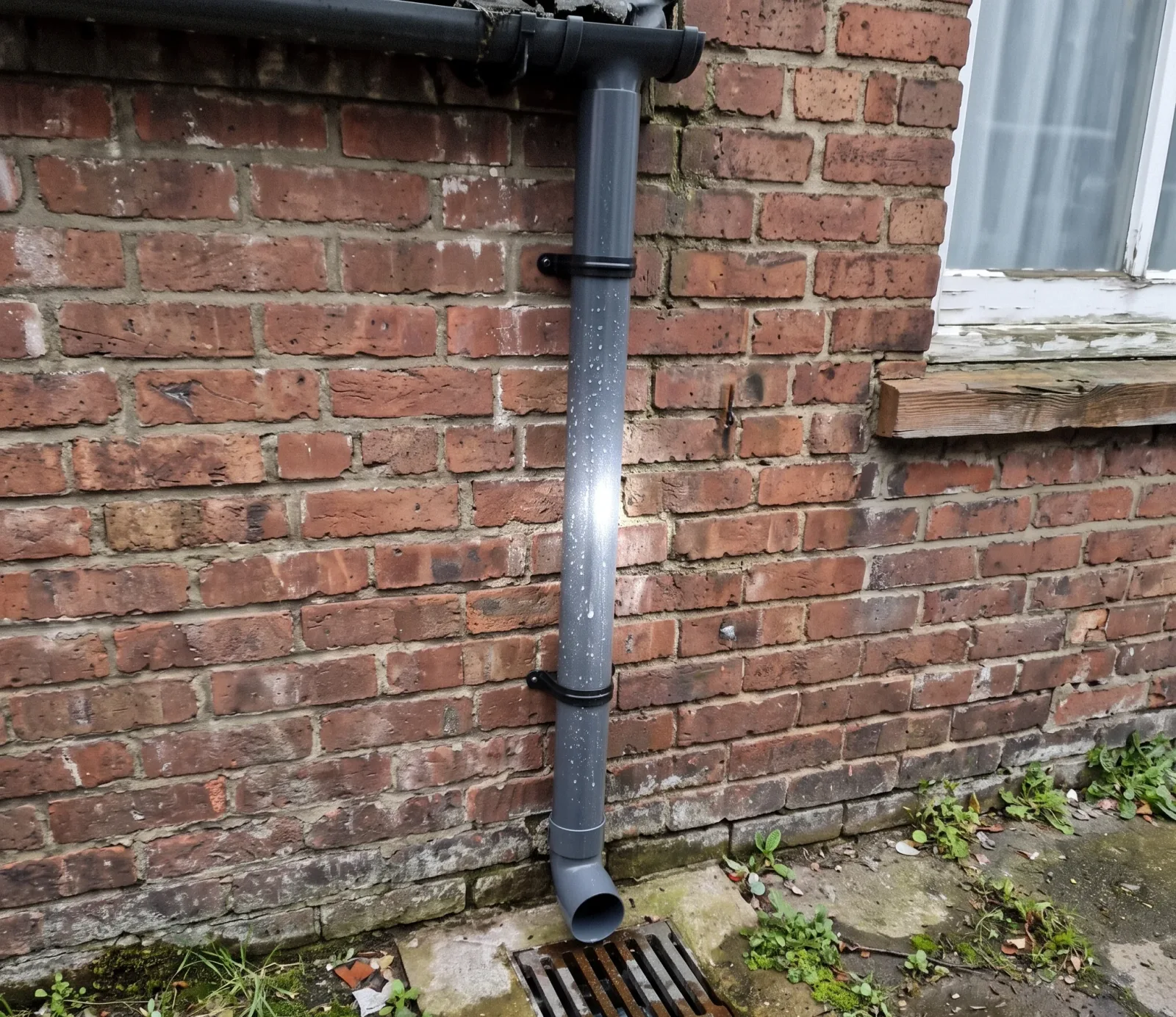
A downspout that ends right at the foundation defeats the purpose of having gutters at all. During a hard monsoon storm, that concentrated stream of roof water lands in one spot, again and again, and soaks the clay right where the house can least afford it. A downspout extension carries that water several feet further out, past the zone where soil movement does the most damage to a slab or footing.
Settlement Looks Different From Heave
Grading is the simplest fix, since water follows the slope of the yard whether anyone planned it that way or not. A yard that tilts toward the house sends every storm back at the foundation. A french drain gives that water a channel to leave through instead of pooling against clay soil, and it works best paired with grading rather than in place of it.
Reading The Cracks Correctly
Not every crack means the same thing, and clay soil movement tends to leave clues. A diagonal crack running from a doorframe corner, or a crack that widens seasonally and closes back up, points toward soil movement rather than a one-time settling event. A crack that only ever grows, without closing, deserves a closer look, since that pattern suggests the ground underneath is still shifting.
Landscaping Choices That Help Or Hurt
What grows next to a Tempe foundation changes how much water clay soil absorbs there. Thirsty plants and lawns set close to the slab keep the ground wetter than it would be on its own, feeding the swell-shrink cycle year-round. Rock or decomposed granite beds, common across the East Valley, dry out faster after a storm and give clay less reason to stay saturated right against the foundation edge.
Why Slab Foundations Feel This The Most
Caliche and clay layers under Tempe don't let water sink in fast, so it spreads sideways and sits against the slab. That standing water pushes on the foundation as hydrostatic pressure builds, and expansive clay swells as it soaks, adding to the shove. Regrading the yard so it slopes away, adding a french drain, and fitting downspout extensions keep that water moving off the property before it ever reaches the wall.
When The Pattern Points To Bigger Trouble
None of this means every hairline crack in a Tempe home signals a serious foundation problem. It means clay soil turns ordinary grading neglect or a misaimed downspout into something with real consequences over time. A crack that keeps changing with the seasons, doors that bind only after storms, or gaps opening at the same corner year after year are worth having someone look at directly.
Dealing with this in your home?
A rental near Apache Boulevard can run fine through the summer, then take on water when a flood irrigation gate off Warner Road stays open too long. Tempe's caliche layer barely drains, so water pools against the slab foundation and finds the door faster than an ASU student expects.