Office & Retail Spaces
Commercial water damage, Tempe
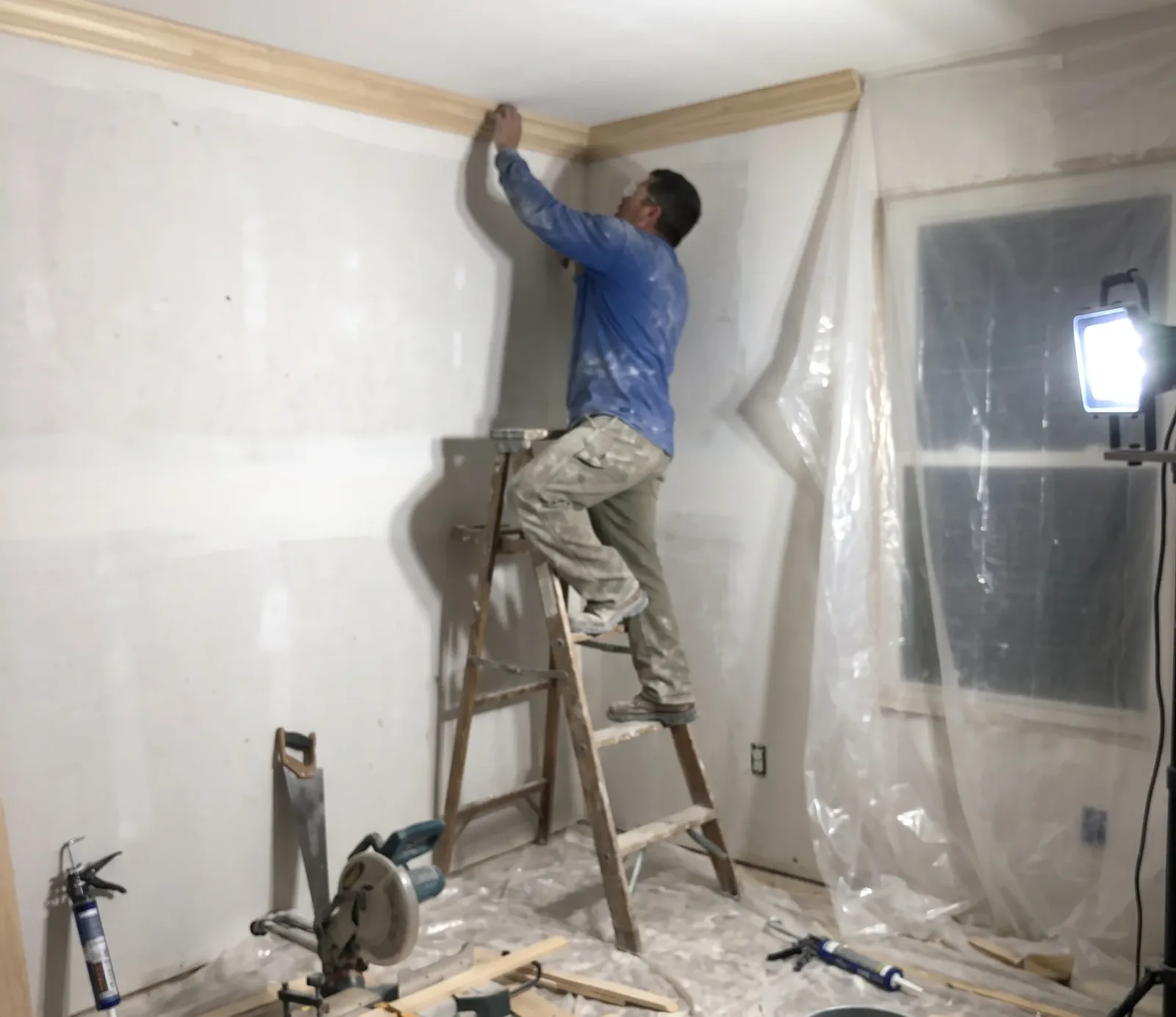
Guest room extraction and drying planned around occupancy, not against it.
Hotel water damage in Tempe usually comes from a burst supply line on a guest floor, an HVAC unit leaking into a corridor, or monsoon rain forcing its way past a roof or window seal near Mill Avenue.
A hotel near Mill Avenue or Tempe Town Lake cannot close a floor and wait for a slow dry-out. Every guest room is inventory, and a supply line or roof leak that takes a room offline during an ASU football weekend or a Gammage Auditorium show is lost revenue the front desk cannot recover once the date passes.
Tempe hotels near Arizona State University, Sun Devil Stadium, and Mill Avenue fill up fast on game weekends and graduation weeks, and a flooded floor during one of those stretches leaves the front desk with no rooms to sell and no good way to fix that overnight.
Tempe's hotel stock ranges from older motor-court style buildings along Apache Boulevard to newer high-rise towers near Hayden Ferry Lakeside. Plumbing chases, roof drains, and HVAC unit placement differ enough between the two that a leak on an upper floor of a lakeside tower behaves nothing like one in a single-story property closer to the airport corridor.
A guest room with a soaked carpet is a room housekeeping can't turn. Water reaching a corridor or elevator lobby changes the job, because those areas carry every guest on that floor past the damage, not just the one booked into the wet room.
Amenity spaces carry a separate risk entirely. A banquet hall holding an ASU graduation reception or a Gammage Auditorium event crowd the same week cannot be pushed to next month while equipment dries the floor underneath the tables.
| Hotel Area | Guest Impact | Cost of Delay |
|---|---|---|
| Who calls it in | Front desk or night manager | Homeowner finds it themselves |
| What speed protects | Tonight's occupancy and tomorrow's turnover | One family's routine |
| Who unlocks doors | Housekeeping supervisor, room by room | Whoever owns the house |
| How far it travels | Down a shared corridor, room to room | Stops at the property line |
| Who finds out | Guests, then online reviews | Nobody outside the household |
| What gets soaked | Stacks of linens and guest room carpet | One living room's furniture |
| Where it pools | Housekeeping storage and ground-floor rooms | One hallway or one closet |
| What goes dark | Banquet hall or amenity space bookings | Nothing booked, nothing lost |
Tempe's summer monsoon brings sudden, heavy rainfall that finds roof seams and window flashing fast, and a property near Mill Avenue or College Avenue with rooftop HVAC units and low-slope roofing is exposed every storm season. A leak that starts on a top floor during a downpour can reach several rooms below before anyone notices.
Guest rooms built on a concrete slab foundation, standard across Tempe, don't pool water in a hidden low spot the way a basement would. Water spreads sideways across the room fast, under furniture and along baseboards, and a housekeeping team doing a routine room check may not catch it until carpet and drywall have already taken on moisture.
A flagged property near Tempe Town Lake or Hayden Ferry Lakeside answers to a brand standards checklist on top of everything else. Guest room condition, turnover timing, and amenity space upkeep all get inspected, and a slow dry-out risks failing that review on its own.
How fast a room needs to reopen depends on what else is booked that week. A Tempe property near ASU running full during a home game or a Tempe Center for the Arts event has few open rooms to move a displaced guest into, so extraction has to start within hours, not the next business day.
Drying work in an occupied hotel has to move around guests still checking in, housekeeping carts working the corridor, and a front desk fielding questions about noise. Equipment gets staged to keep walkways clear, and work on an affected floor gets scheduled so it doesn't collide with turnover on the rooms next to it.
A hard freeze is rare in Tempe, so pipe bursts from cold weather are not the seasonal story here the way they are in colder climates. The monsoon is. Fast-moving thunderstorms from late June through September bring wind and rain that test roof seams on hotels near Rio Salado Parkway and Loop 202 every year.
The October 2025 microburst that hit Tempe, with winds near 70 miles per hour, showed how fast a single storm can cause damage across a wide area, including roofs and rooftop HVAC units. A hotel with a wide flat roof deck near Tempe Town Lake or Priest Drive has more seams and drains that can fail at once.
Reputation management after a leak comes down to what the guest tells other people, not what the licensed pros did behind the wall. A guest shifted once, without a fuss, to a comparable room rarely mentions it in a review at all.
Getting the room count back to normal fast, with a plain record of which guest rooms went offline and when they were cleared for booking, is what keeps a Tempe property's occupancy numbers and its online reviews from taking the same hit twice.
A hotel near Downtown Tempe cannot shut down while water damage gets fixed the way an office might close for a day. Guest rooms stay booked, linens still need to move through laundry, and the front desk still needs an answer for every guest asking when their room will be ready again.
A haboob followed by monsoon rain is Tempe's real pattern: dust seals gaps, then water gets trapped behind it. Drywall near ASU-area rentals on Apache Boulevard can stay damp two days before anyone notices, right when mold risk starts climbing fast.The Lakes, Warner Ranch and Downtown Tempe. A soaked carpet near Rural Road or a damp wall by Apache Boulevard does not get a break once triple-digit heat and monsoon humidity settle in. Materials left wet past 48 hours start growing mold, and swamp coolers running nearby only add more moisture to the air.
Triple-digit heat and monsoon humidity keep drywall and cabinetry damp long after a leak near Mill Avenue or Papago Park stops. EPA guidance says wet materials left past 48 hours risk mold growth, and Tempe's slab construction means that moisture travels sideways through flooring instead of down into a basement.A commercial loss near Tempe Marketplace or Arizona Mills typically dries slower than a house. Open floor plans, tile, and heavier equipment counts push costs up, so the licensed pros we connect you with quote these jobs separately from residential work. pricing guide, and the commercial overview covers how a scheduled program works.
Commercial water damage, Tempe
Medical Offices And Clinics
Warehouse & Industrial Water Response
The affected rooms cannot, but the floor around them usually can. Containment goes up so equipment noise and airflow stay inside the work area, and rooms either side get checked with a meter rather than assumed wet. How many rooms come out of service depends on how far the water tracked under the doors.
Fast, usually the same day the call comes in. A hotel near Mill Avenue or Tempe Marketplace can keep the front desk running while extraction crews work an affected floor room by room, moving equipment in as soon as they're on site.
A wet corridor or guest room near ASU can start growing mold in 24 to 48 hours in Tempe's warm indoor temperatures, and every day the room stays wet is a day it can't be sold, which hits occupancy and vacancy rate together.
Often, yes. A banquet hall booking near Tempe Town Lake doesn't need to move for a leak elsewhere in the building. Linens and soft furnishings that took direct water usually can't be saved, but the event space itself can often keep running.
A wet guest room near Mill Avenue or ASU loses booking revenue every hour it sits closed. Call now to get extraction started before more rooms come off the front desk's inventory.
Call (480) 681-1520